Synopsis: The blog explores the high stakes of the upcoming 2025 Canadian federal election, particularly focusing on immigration policies and the strategic reasons behind the snap election call. It highlights the potential changes in governance and policy direction that could follow depending on the election outcome.
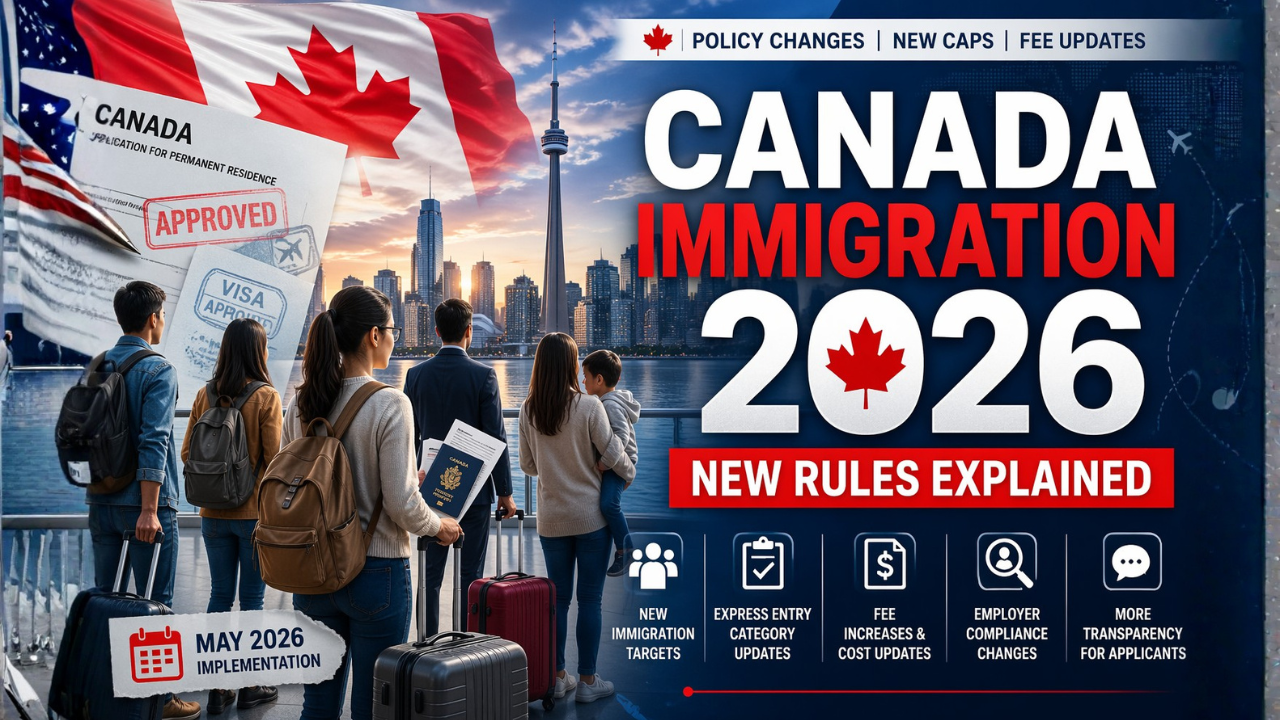
As Canada braces for a sudden federal election on April 28, 2025, the stakes for its immigration policy and national direction are incredibly high. Prime Minister Mark Carney’s unexpected call for early elections could significantly reshape Canada’s approach to immigration amidst other critical issues.
Topics Discussed:

Snap Election Strategy
Prime Minister Mark Carney’s strategic decision to dissolve Parliament and trigger a snap election on the earliest possible legal date has sent shockwaves through Canada’s political landscape. This move seems designed to capitalize on current Liberal momentum and limit the opposition’s ability to effectively campaign.
Impact on Immigration Policies
The election outcome could pivot Canada’s immigration strategy, especially with Carney’s Liberals pushing for progressive reforms contrasted against Pierre Poilievre’s Conservatives, who favor stricter controls. How this plays out could influence future immigration flows and the integration policies that have been points of contention among voters.
Election’s Broader Political Ramifications
With the Liberal Party potentially setting the agenda for another term, the implications extend beyond domestic policies to Canada’s role on the global stage, including its handling of international migrants and refugees. This election will test the public’s appetite for continuity versus change in managing Canada’s borders in an increasingly globalized world.
Conclusion
The 2025 snap election is not just a political contest; it’s a critical juncture for Canada’s future, particularly in how it manages its borders and treats its immigrants. As Canadians head to the polls, the results will undoubtedly have a lasting impact on the nation’s immigration narrative and its political equilibrium.