Synopsis: A comprehensive analysis of the UK government’s proposed Immigration and Asylum Bill, which introduces a controversial £10,000 accommodation cost-recovery rule for adult refugees. The piece explores the financial drivers behind the policy, its potential impact on Indefinite Leave to Remain (ILR) eligibility, harsh criticism from human rights organisations, and the introduction of alternative community and university sponsorship pathways scheduled for late 2027.
The UK government has introduced new regulations to its asylum system that make financial obligation mandatory for individuals granted refugee protection. Under the newly introduced Immigration and Asylum Bill, adult asylum seekers who are deemed to have the financial means may be required to contribute roughly £10,000 toward their accommodation before they can qualify for permanent settlement.
The Home Office says the proposal is intended to make the asylum system more financially sustainable while reducing the burden on taxpayers. The announcement follows reports that asylum accommodation and support cost the government around £4 billion over the previous year.
What is the New £10,000 Accommodation Repayment?
The new proposed rule will be applicable to adults who have benefited from asylum support such as the following:
- Accommodation
- Basic Financial Help
- Individuals with sufficient income or funds
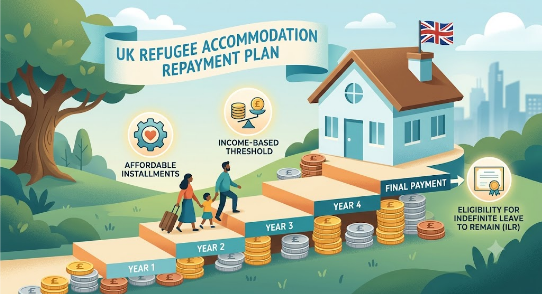
The proposed policy introduces a cost recovery scheme. Rather than requesting an immediate lump sum, the government intends a flat-rate charge paid in monthly installments once the individual earns above a specific financial threshold. A point to note is that the Home Office has stated that the charge and income threshold are adjustable so that no person would be pushed towards poverty.
One of the most significant elements of the proposal is that the repayment would need to be completed before a refugee becomes eligible for Indefinite Leave to Remain.
Why is the Government Introducing This Policy?
The Home Office considers it a vital step for ensuring the asylum infrastructure stays financially sustainable. The government argues on two key points that are as follows:
The Soaring Cost of Public Support
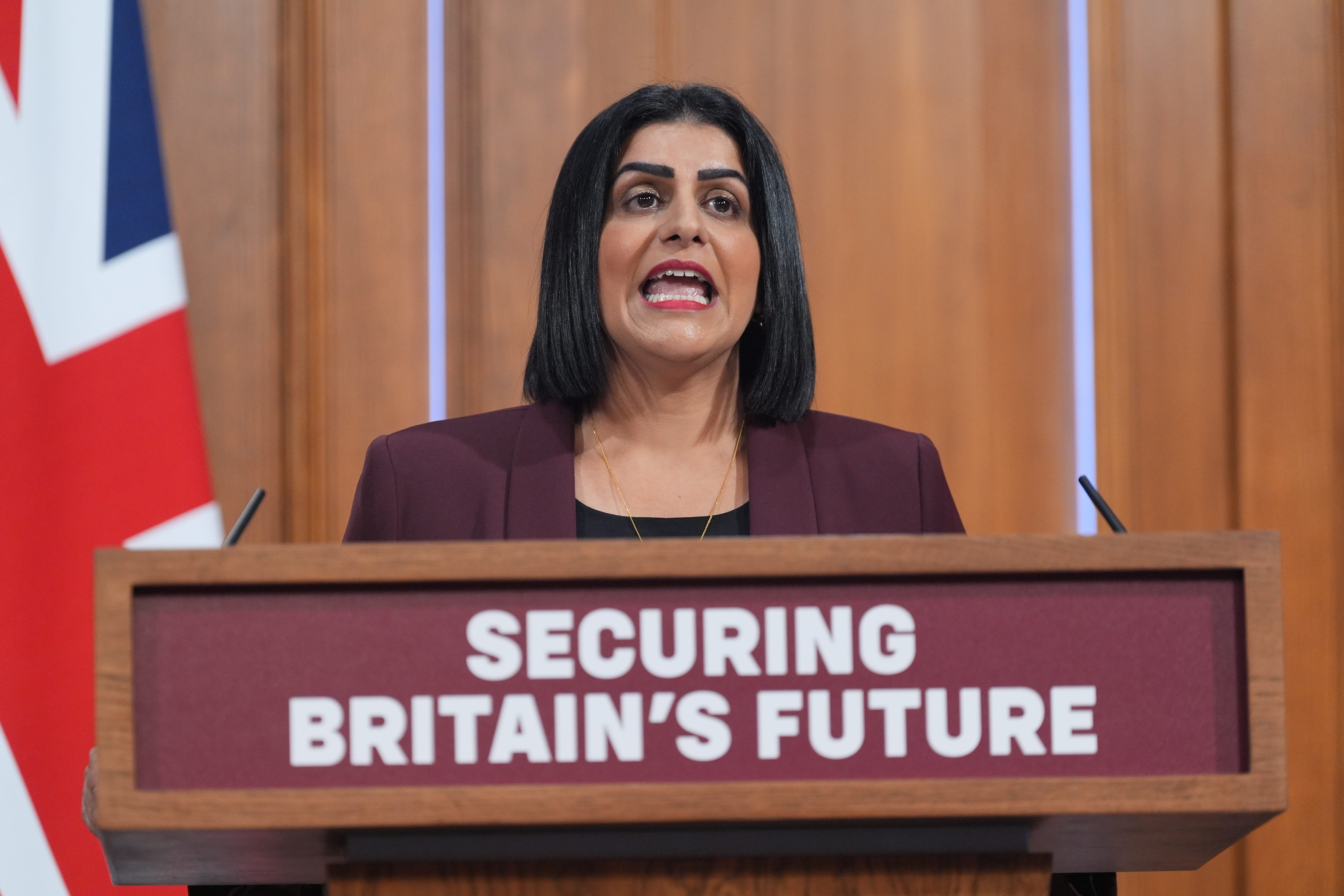
Home Secretary Shabana Mehmood notes that while recent strategic changes have brought down the asylum expenses by £1 billion, overall costs remain substantially high. The Home Office states that people who later become financially secure should contribute towards some of the support they received, helping reduce pressure on public finances.
Housing Disparities and Political Pressure
The government has also stated that asylum accommodation costs vary considerably depending on where applicants are housed. While dispersed accommodation is generally less expensive, hotel accommodation can significantly increase overall expenditure.
Immigration has become one of the most sensitive political issues in the UK, with increasing pressure on the government to reduce irregular migration and better control over the asylum system.
Criticism and Concerns Towards the Proposed Policy
The proposed legislation has drawn fierce condemnation from human rights advocates and sector experts who question both its ethics and economic logic.
Financial Obstacles to Integration
The Refugee Council has strongly attacked the framework. They label it as a targeted penalty or extra tax levied against individuals who have already endured flight from war, torture, and systematic persecution. Critics argue that forcing individuals to clear major debt before securing permanent status will actively hinder their ability to integrate with the system, buy homes, or invest in higher education.
Expected Economic Returns
Independent migration experts have raised serious doubts over the actual revenue the scheme will generate.
Director of the Migration Observatory, Dr Madeleine Sumption, pointed out that data historically shows only a relatively small proportion of newly recognised refugees manage to secure employment that pays well enough to clear such thresholds.
Alternative Sponsorship Pathways for Refugees
In tandem with stricter domestic cost-recovery measures, the Immigration and Asylum Bill outlines plans to establish new, structured legal pathways to safety. These alternative routes shift the financial responsibility from taxpayers to independent sponsors.
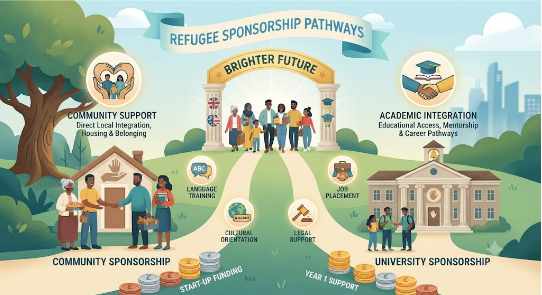
Community Sponsorship Schemes: Enabling civil society groups, neighbourhood associations, and charities to directly fund and integrate refugee families.
University Sponsorship Pathways: Allowing UK higher education institutions to sponsor academic visas and provide accommodation for displaced students and scholars.
Applications for organisations wishing to become official sponsors are slated to open in the coming months, with the first arrivals under these structured programmes expected to land in late 2027.
Final Thoughts
The proposed asylum accommodation repayment scheme represents one of the most significant refugee policy reforms introduced by the UK government in recent years.
Supporters argue that people who are financially able should contribute towards the public support they received while seeking asylum. Opponents, however, believe the proposal risks placing additional financial pressure on refugees at a critical stage of rebuilding their lives.
As legislation progresses, refugees, employers, legal advisers, and support organisations should pay close attention to further announcements, particularly those relating to repayment thresholds, settlement eligibility, and implementation timelines.