
Synopsis: The proposed UK Immigration and Asylum Bill 2026 signifies a major shift toward a more restrictive immigration system. Key reforms include a new Independent Immigration Appeals Authority, limited Article 8 family rights, and stricter deportation and modern slavery policies. As the Bill progresses through Parliament, migrants and legal professionals must prepare for significant changes in case management and support.
The UK Immigration and Asylum Bill 2026 may introduce significant reforms to asylum and human rights law, deportation, family life, and protection for victims of modern slavery. The proposals outlined in the Bill do not represent the final law, but they do reveal a much firmer path for the UK immigration system.
This Bill is significant for migrants, asylum seekers, refugees, families and legal representatives, as it could impact their claims, appeals and the level of protection they receive.

What is the Immigration and Asylum Bill 2026?
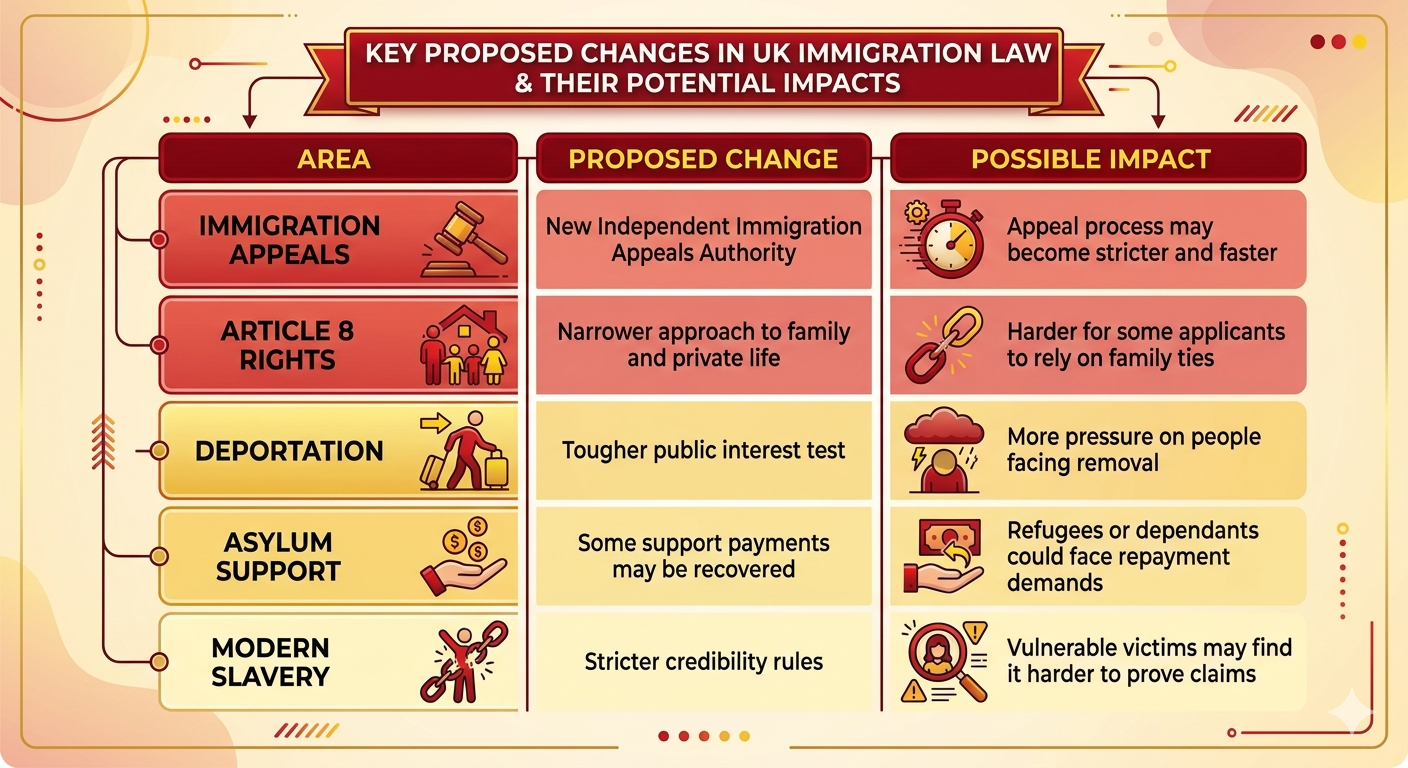
The Immigration and Asylum Bill 2026 proposes several important changes to how the UK’s immigration and asylum system operates. These proposals cover areas including:
- Asylum Support
- Deportation
- Article 8 Family and Private Life Rights
- Protections for Modern Slavery Victims
- Immigration Appeals Process
The Independent Immigration Appeals Authority is one of the largest proposed changes. Many asylum and human rights cases could be referred to this body instead of the First-tier Tribunal.
Key Proposed Changes
New Immigration Appeals Authority
Under the Bill, many of the First-tier Tribunal’s functions would be transferred to a newly created Independent Immigration Appeals Authority, which would oversee asylum, human rights, and other immigration-related appeals.
One of the main concerns is that adjudicators may not necessarily be qualified lawyers. In addition, the Home Secretary could be given the authority to impose time limits on decisions and different stages of the appeals process. Where these limits apply to the submission of evidence, applicants with more complex cases may come under considerable pressure.
Article 8 Family and Private Life Changes
The European Convention on Human Rights protects private and family life as set out in Article 8. The Bill seems to change the way these rights are evaluated in immigration cases.
Relationships with adults may only be recognised in specific situations, particularly in cases of significant dependency, not necessarily in terms of emotional or monetary support. The Bill also aims to ensure that “no weight” is to be given to a “private or family life” that has been established while living in the UK without lawful permission.
These proposals could influence the outcome of long-residence, family life, and human rights applications.
Deportation and Asylum Support
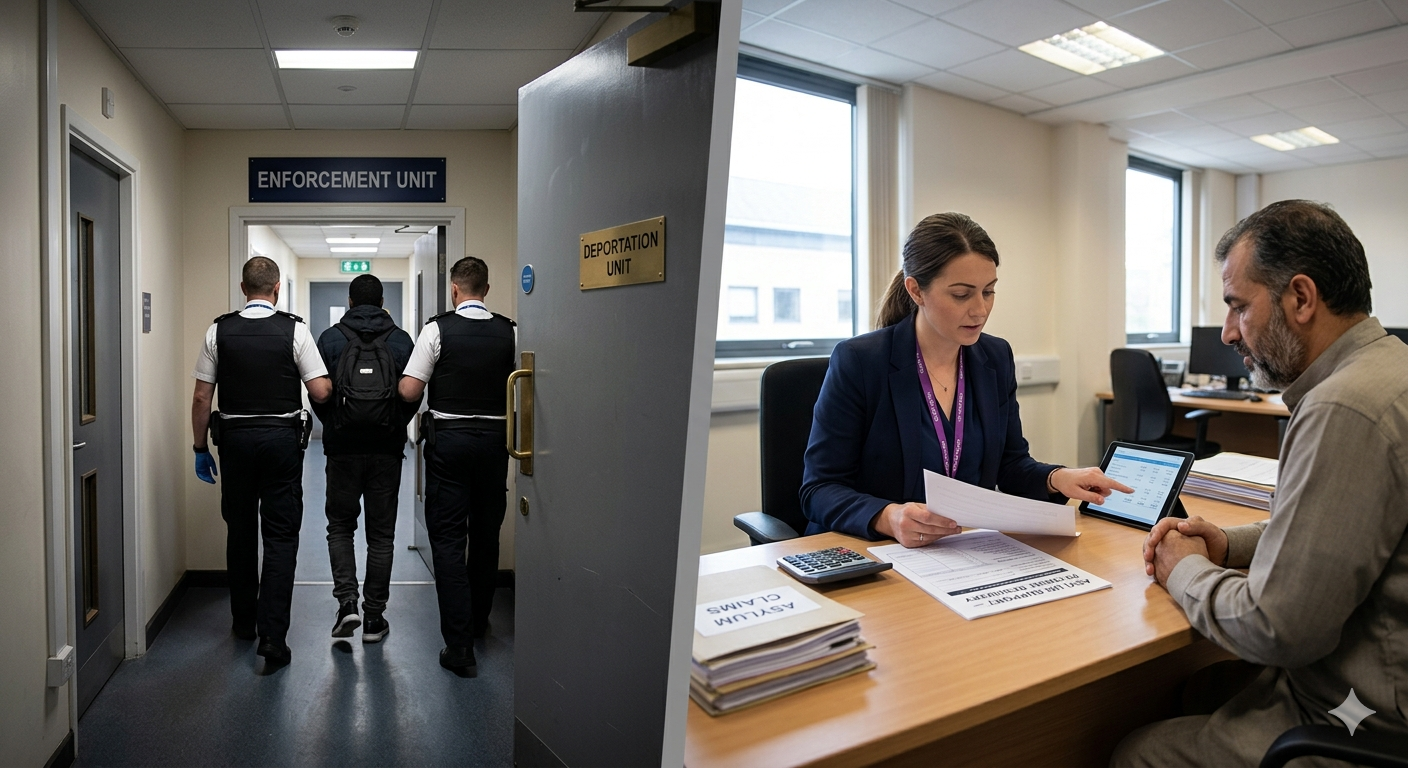
The Bill also includes tougher deportation measures. Where a deportation is concerned, the public interest in deportation may even be more significant, particularly in cases of criminal offending.
The Bill also introduces a significant proposal related to asylum support. It would allow the Home Secretary to recover asylum support payments after a claim has concluded, as long as repayment would not result in destitution. The measure could extend to the principal applicant as well as some dependants who benefited from the support.
Modern Slavery Concerns
The Bill also makes some amendments to the provisions on modern slavery. If there are delays or inconsistencies, omissions or parallels with other claims, this will be taken as a loss of credibility unless justified.
This is alarming because victims of trafficking or slavery may not report because of fear, trauma, control, or trust issues.
FAQs
Is the Immigration and Asylum Bill 2026 already law?
No. It is still going through Parliament and may change before becoming law.
Who could be affected by the Bill?
Asylum seekers, refugees, migrants with family or human rights claims, people facing deportation, and modern slavery victims may be affected.
Should migrants take action now?
Anyone with an active case should follow official updates and seek qualified legal advice before making decisions.
Final Thoughts
The Immigration and Asylum Bill 2026 in the UK might change the system of immigration in a more restrictive manner. The key areas to keep an eye on are those relating to the application of the right to appeal, the right to family life under Article 8, repayment of the support provided for asylum, deportation rules, and the protection against modern slavery. If you have current or future immigration issues to deal with, this Bill is one to be on your radar.