Synopsis: Australia has imposed tough new restrictions on student visas from six Indian states due to rising visa fraud and misuse. With heightened financial requirements and increased scrutiny, many genuine students now face barriers to admission, sparking concerns over fairness, student morale, and the future of Indo-Australian education ties.
Australia, long celebrated as a premier destination for international education, is undergoing a seismic shift in its approach to student visas. For thousands of Indian students, the dream of studying Down Under is now fraught with new challenges, stricter scrutiny, and a rising sense of uncertainty. This comprehensive analysis explores the latest developments in Australia’s student visa policies, the factors driving these changes, and their far-reaching implications for Indian students and the global education landscape.

The Changing Landscape: Why Australia Is Tightening Student Visas
Australia’s international education sector is a multi-billion dollar industry, attracting over 600,000 students annually from around the world. Indian students form one of the largest cohorts, second only to China. However, recent years have seen a dramatic policy pivot.
The Policy Shift: Halving Net Migration
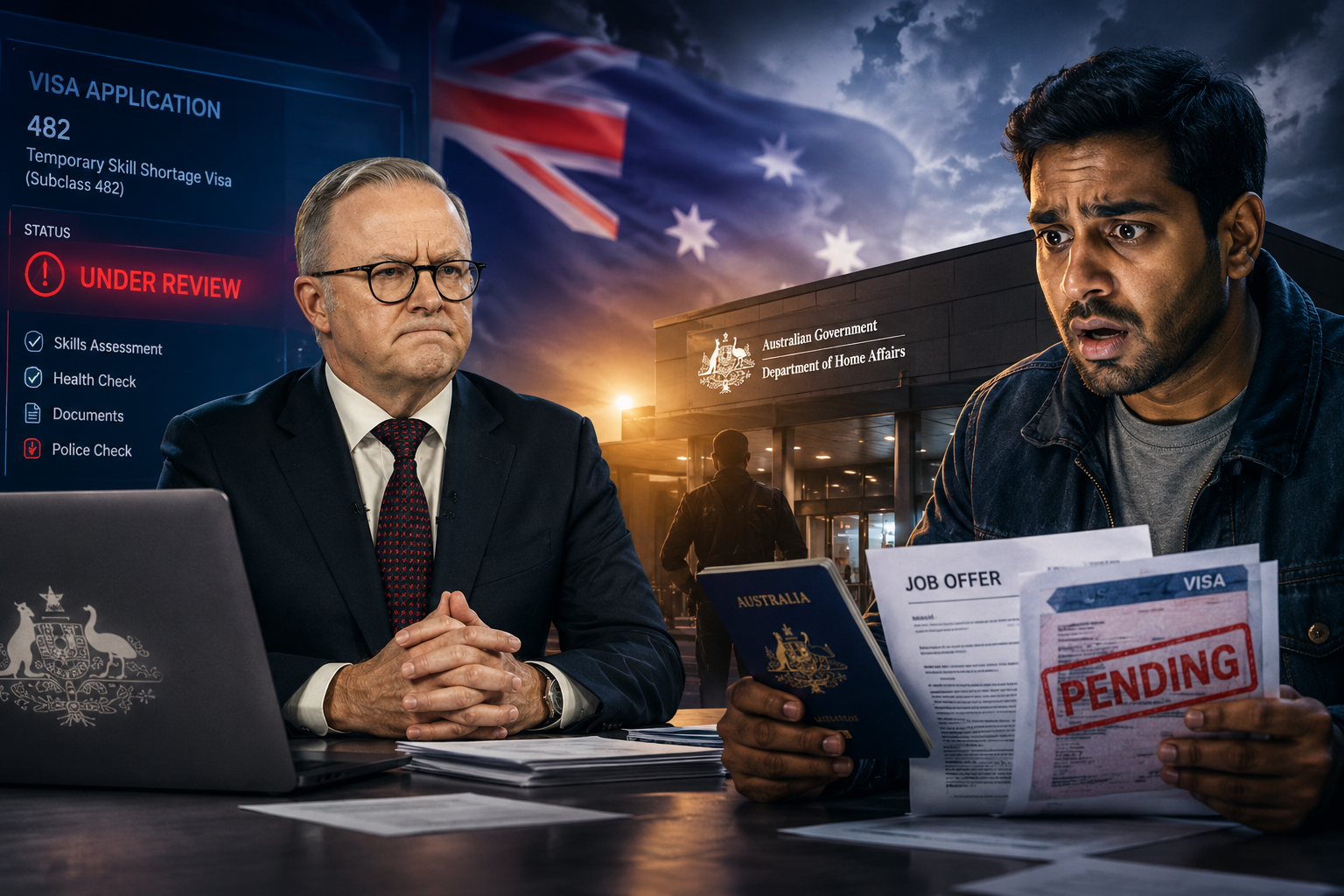
At the heart of Australia’s reforms is a political commitment to halve net migration by 2025. As reported by The Times of India, this is a response to domestic pressures over housing shortages, infrastructure strain, and job market competition. The government, led by Prime Minister Anthony Albanese, has recalibrated immigration rules, with a sharp focus on the international student pathway—long viewed both as an economic boon and a potential loophole for permanent residency seekers6.
“Australia’s decision to drastically tighten its student visa regulations has triggered growing disquiet among Indian aspirants and education stakeholders alike.”6
Six Indian States in the Spotlight
A major flashpoint in the new visa regime is the imposition of restrictions on student applications from six Indian states: Punjab, Haryana, Uttar Pradesh, Gujarat, Rajasthan, and Jammu & Kashmir37.
Several leading Australian universities—including Federation University, Western Sydney University, Victoria University, and Southern Cross University—have either paused or significantly tightened scrutiny on applications from these regions.
Why These States?
The rationale, according to university and government sources, is a spike in fraudulent visa applications and a high rate of student dropouts. The Department of Home Affairs has flagged that up to 24.3% of Indian student visa applications are now rejected—the highest rate since 2012—often due to concerns over document authenticity or non-genuine study intentions37.
“According to reports in the Australian media, the nation’s Department of Home Affairs, in charge of the student visa programme, deems one in four applications by Indian students as ‘fraudulent’ or ‘non-genuine’.”7
This has led to what many see as a de facto “blacklisting” of students from certain Indian regions, even as the Australian government officially denies any outright ban7.
Rising Visa Fraud and Course Hopping: The Data
The crackdown is not without statistical backing. Visa cancellations have soared in recent years:
- In 2012, 1,978 student visas were cancelled.
- By 2013, this figure more than doubled to 4,940.
- In the last financial year, it reached 7,061—more than tripling in just two years4.
A key driver is the abuse of the Streamlined Visa Processing (SVP) system, which reduced evidentiary requirements for certain education providers. This opened the door for “course hopping”—where students enter Australia on a student visa, then switch to cheaper, often unaccredited colleges, or drop out to work full-time4.
“The Department of Immigration and Border Protection has also identified around 1,000 course hopping international students, who arrived using the streamlined visa process (SVP), but later illegally moved to unaccredited and often cheaper colleges.”4
New Financial Requirements: Raising the Bar
From May 10, 2024, the financial threshold for international students has increased sharply. Applicants must now show evidence of at least AUD 29,710 in savings, up from AUD 24,505—a move designed to ensure students can genuinely support themselves and are not using study as a pretext for economic migration5.
| Requirement | Before 10 May 2024 | After 10 May 2024 |
| Primary applicant | AUD 24,505 | AUD 29,710 |
| Spouse/partner | AUD 8,574 | AUD 10,394 |
| Dependent child | AUD 3,670 | AUD 4,449 |
| Annual school costs | AUD 9,661 | AUD 13,502 |
| Personal annual income (no family) | AUD 72,465 | AUD 87,856 |
| Personal annual income (with family) | AUD 84,543 | AUD 102,500 |
The Department of Home Affairs states that these changes align with 75% of the national minimum wage and are intended to “better reflect the true cost of living for students during their studies in Australia.”5
Tougher Onshore Visa Rules: No More ‘Visa Hopping’
Effective July 1, 2024, holders of certain visas—including Visitor and Temporary Graduate visas—can no longer apply for a student visa while in Australia. This measure aims to close the loophole of “permanent temporariness,” where individuals repeatedly switch visa categories to prolong their stay without meeting residency criteria2.
“These changes demonstrate the Australian Government’s commitment to supporting genuine students while closing loopholes that compromise the system’s integrity.”2
The Human Impact: Dreams Deferred and Discrimination Fears
The fallout from these changes has been swift and profound. Data from media reports indicates a 48% decline in student visas granted to Indian nationals between December 2022 and December 20236.
Education consultants estimate that roughly 20% of students from Gujarat who plan to study abroad choose Australia—a figure expected to decline sharply8.
“Of every 100 students who plan to study overseas, at least 20 are directly impacted. With Canada and the US already tightening immigration policies, and now Australia going the same way, the list of accessible countries is shrinking.”
— Bhavin Thaker, foreign education consultant8
Allegations of Discrimination
The Association of Australian Education Representatives in India (AAERI) has called the region-based bans “discriminatory” and urged universities to adopt more balanced evaluation processes37.
Many argue that blanket restrictions penalize genuine students who meet all eligibility requirements.
“The majority of applicants are sincere, and they can be assessed on their own merit. Blanket bans are unfair to genuine students.”8
Official Denials and Diplomatic Tensions
While the Australian High Commission and some universities deny the existence of an official ban, the reality on the ground is more complex. Universities have considerable autonomy in setting their own admission policies, and many have chosen to pause or restrict applications from high-risk regions37.
This has led to diplomatic unease, with Indian officials raising concerns over transparency and the future of Indo-Australian educational cooperation6.
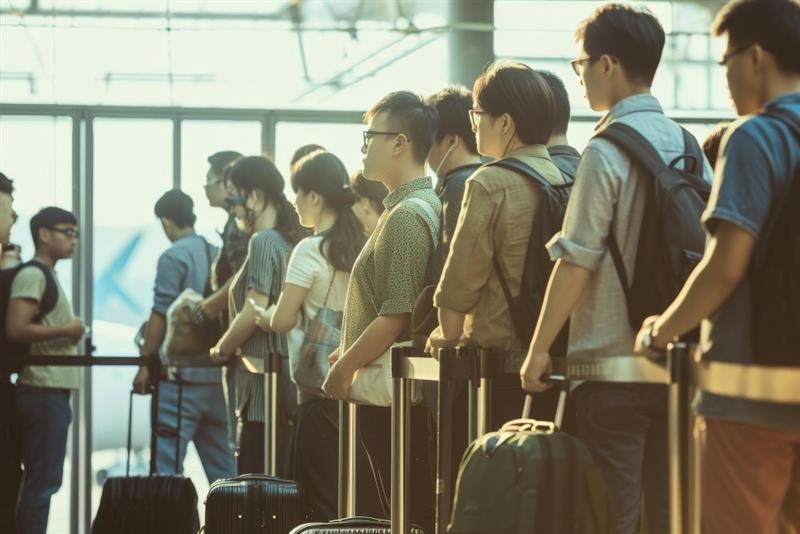
A Global Trend: Indian Students Face Headwinds Worldwide
Australia’s tightening of student visa rules is part of a broader global trend. The United States and United Kingdom have also introduced stricter immigration and student visa policies, citing similar concerns over misuse and economic pressures38.
For Indian students, the world is becoming a more challenging place to pursue international education. As one education consultant put it:
“Indian students globally are now facing tough situations in several countries, including United States, Australia, and the United Kingdom.”3
What Can Prospective Students Do?
Given the rapidly evolving policy landscape, students and their families must be more vigilant than ever:
- Ensure Authenticity: Submit only genuine documents and avoid unscrupulous agents who promise shortcuts.
- Meet Financial Criteria: Be prepared to demonstrate robust financial capacity, well above previous thresholds.
- Research Universities: Check the latest admission policies of your target universities, especially if you are from a region facing restrictions.
- Stay Updated: Immigration rules can change quickly; monitor official government and university channels for the latest information.
- Seek Reputable Guidance: Work with certified education consultants and organizations recognized by the AAERI or similar bodies.
Conclusion: Navigating the New Normal
Australia’s education dream, once a beacon for global talent, is now shadowed by suspicion and bureaucracy. For Indian students, the journey to an Australian degree is no longer just about academic merit—it’s a test of endurance through regulatory hurdles and, at times, perceived bias.
As the world recalibrates its approach to migration and international education, the hope remains that genuine students will not become collateral damage in the pursuit of policy integrity. The challenge for Australia—and other destination countries—is to strike a balance between safeguarding their systems and nurturing the next generation of global scholars.
“As visa rules grow harsher and trust erodes, genuine students risk becoming collateral damage. For many, the Australian dream may now require more than just academic merit—it demands endurance through bureaucracy and bias.”
Key Facts and Stats
- Student visa cancellations: Tripled in two years, reaching 7,061 in the last financial year4.
- Financial requirement for students: AUD 29,710 from May 2024, up from AUD 24,5055.
- Decline in student visas granted (2022-2023): 48% for Indian nationals6.
Final Word
For Indian students and their families, the message is clear: the path to Australia is still open, but it is narrower and steeper than ever before. Success now depends not just on academic credentials, but on resilience, preparation, and an unwavering commitment to integrity. The world is watching—and so is Australia.