Synopsis: Australia’s net overseas migration has dropped to its lowest level since 2022, hitting 301,000. While the government pursues a sustainable target of 225,000 to ease housing and infrastructure strains, critical labour shortages persist. The evolving, restrictive landscape prioritises skilled visas in high-demand sectors like healthcare and construction, intensifying competition for future applicants.
Australia’s overall migration has fallen to a low point since 2022, but the immigration debate is not finished. Australian Bureau of Statistics (ABS) data reveals that although migration is declining, political pressure has risen on housing, infrastructure, international students and skilled worker demand.
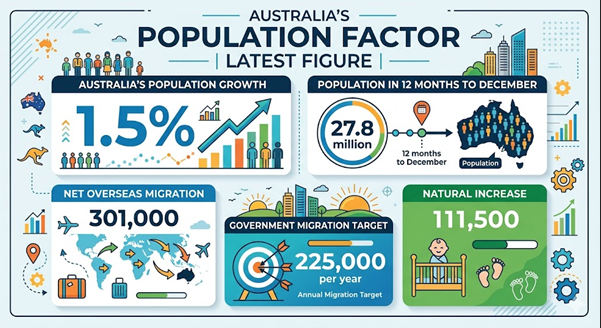
Recent ABS figures show that Australia’s population increased 1.5% in the 12 months to December, to 27.8 million. However, Australia’s population has since exceeded 28 million, demonstrating that the population continues to grow, though at a more moderate rate than in the post-COVID-19 growth phase. 
Australia’s Net Migration Drops to 301,000
The main figure that’s gaining attraction is the net overseas migration, which contributed 301,000 to Australia’s population. This is, however, the lowest net migration figure recorded since September 2022, when it was 348,630.
Net overseas migration is determined by subtracting the number of migrants leaving from the number of migrants arriving.
This comprehends of:
- Temporary visa holders
- Permanent migrants
- International students
- Australian citizens who are returning home
- Australians relocating overseas
Natural increase also played a role in population growth, in addition to migration. The difference between births and deaths added 111,500 people over the same period.
Government Says Migration is Being Reduced Carefully
Prime Minister Anthony Albanese has stated Australia should be aiming to reduce net migration to 225,000 per year, which he said is the “right number” for Australia.
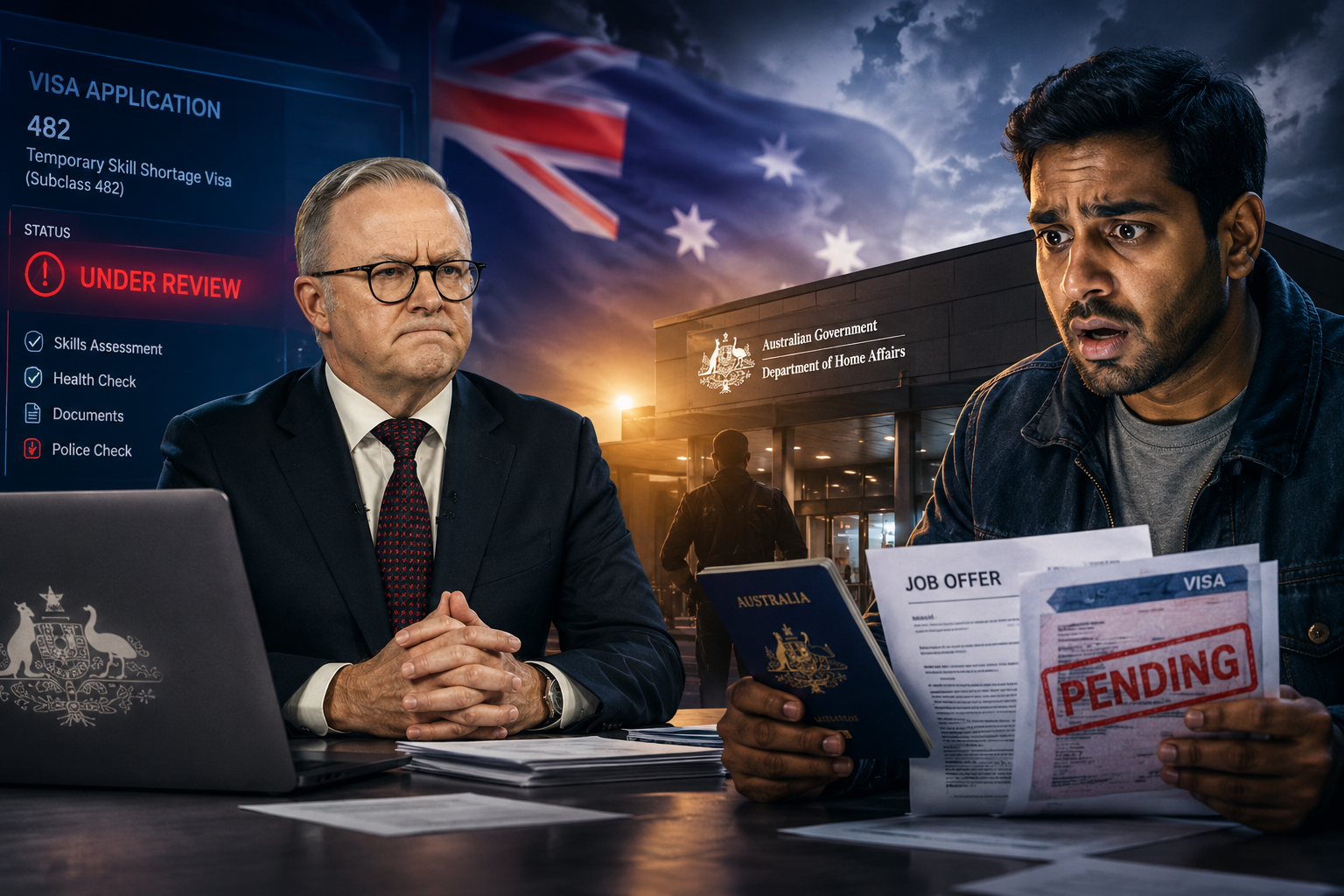
Immigration Minister Tony Burke stated that the latest figures demonstrate the government is making “a sensible and measured approach”. The government aims to reduce the number of people moving to Australia, but it’s also about ensuring that a skilled workforce is still coming to Australia.
This is significant, as there are several key sectors that are still heavily dependent on migrant workers, mainly in the healthcare, aged care, construction and skilled sectors. The government says that temporary visa holders and the number of international students are also declining, and efforts are being made to focus on skills that Australia desperately requires.
To put it simply, Australia is attempting to slow the immigration numbers without compromising the skill set required to look after people, to keep the economy going and to create more homes.

Opposition Says Migration is Still Too High
Opposition parties say migration is still not sustainable, even though the numbers have reduced. Coalition senator Jonno Duniam stated that a net overseas migration number of 301,000 is still too high when Australians are facing challenges with housing affordability, rental pressure, overextended infrastructure and public services.
The senator also highlighted that for 14 consecutive quarters the net overseas migration for Australia was more than 300,000. This implies that for about three and a half years Australia has been experiencing a growing number of migrations.
One Nation leader Pauline Hanson has also been making immigration a major political issue, claiming the nation is experiencing a “national crisis” related to immigration and multiculturalism.
What This Means for Australia’s Immigration
According to the latest migration figures, Australia’s immigration system is shifting towards a more restrictive and politicised era. Even though migration is cut down, the pressure to bring down the numbers even more continues to remain strong.
This means Australia may continue to restrict visa settings for migrants, international students, and skilled workers while giving more priority to applicants linked to high-demand sectors.
Now the big question is whether Australia can bring migration down to 225,000 a year while still addressing the labour shortage and avoiding additional pressure on housing and public services.
The simple outtake of this scenario is that although Australia is witnessing a decline in migration numbers, immigration will continue to remain the hot topic among political debates.
Australia’s overall migration has fallen to a low point since 2022, but the immigration debate is not finished. Australian Bureau of Statistics (ABS) data reveals that although migration is declining, political pressure has risen on housing, infrastructure, international students and skilled worker demand.
Recent ABS figures show that Australia’s population increased 1.5% in the 12 months to December, to 27.8 million. However, Australia’s population has since exceeded 28 million, demonstrating that the population continues to grow, though at a more moderate rate than in the post-COVID-19 growth phase.
Australia’s Net Migration Drops to 301,000
The main figure that’s gaining attraction is the net overseas migration, which contributed 301,000 to Australia’s population. This is, however, the lowest net migration figure recorded since September 2022, when it was 348,630.
Net overseas migration is determined by subtracting the number of migrants leaving from the number of migrants arriving.
This comprehends of:
- Temporary visa holders
- Permanent migrants
- International students
- Australian citizens who are returning home
- Australians relocating overseas
Natural increase also played a role in population growth, in addition to migration. The difference between births and deaths added 111,500 people over the same period.
Government Says Migration is Being Reduced Carefully
Prime Minister Anthony Albanese has stated Australia should be aiming to reduce net migration to 225,000 per year, which he said is the “right number” for Australia.
Immigration Minister Tony Burke stated that the latest figures demonstrate the government is making “a sensible and measured approach”. The government aims to reduce the number of people moving to Australia, but it’s also about ensuring that a skilled workforce is still coming to Australia.
This is significant, as there are several key sectors that are still heavily dependent on migrant workers, mainly in the healthcare, aged care, construction and skilled sectors. The government says that temporary visa holders and the number of international students are also declining, and efforts are being made to focus on skills that Australia desperately requires.
To put it simply, Australia is attempting to slow the immigration numbers without compromising the skill set required to look after people, to keep the economy going and to create more homes.
Opposition Says Migration is Still Too High
Opposition parties say migration is still not sustainable, even though the numbers have reduced. Coalition senator Jonno Duniam stated that a net overseas migration number of 301,000 is still too high when Australians are facing challenges with housing affordability, rental pressure, overextended infrastructure and public services.
The senator also highlighted that for 14 consecutive quarters the net overseas migration for Australia was more than 300,000. This implies that for about three and a half years Australia has been experiencing a growing number of migrations.
One Nation leader Pauline Hanson has also been making immigration a major political issue, claiming the nation is experiencing a “national crisis” related to immigration and multiculturalism.
What This Means for Australia’s Immigration
According to the latest migration figures, Australia’s immigration system is shifting towards a more restrictive and politicised era. Even though migration is cut down, the pressure to bring down the numbers even more continues to remain strong.
This means Australia may continue to restrict visa settings for migrants, international students, and skilled workers while giving more priority to applicants linked to high-demand sectors.
Now the big question is whether Australia can bring migration down to 225,000 a year while still addressing the labour shortage and avoiding additional pressure on housing and public services.
The simple outtake of this scenario is that although Australia is witnessing a decline in migration numbers, immigration will continue to remain the hot topic among political debates.