Synopsis: Australia has introduced higher visa application charges from 1 July 2026, affecting international students, English language learners, and recent graduates. The changes include a significant increase to the Student Visa (Subclass 500), a new fee tier for ELICOS students, and a 25% rise in the Temporary Graduate Visa (Subclass 485). This guide explains the updated fees, why they matter, and how students can prepare for the increased cost of studying and working in Australia.
The Australian government has revised several charges in the student visa application that will be effective from 1 July 2026. These new adjustments will directly impact study budgets, post-study plans, and overall cost calculations for many international students and recent graduates.
The Australian Department of Home Affairs directs new applicants to always verify the latest visa application charges from the official site before lodging an application. 
Australia’s Updated Student Visa Fees for 2026
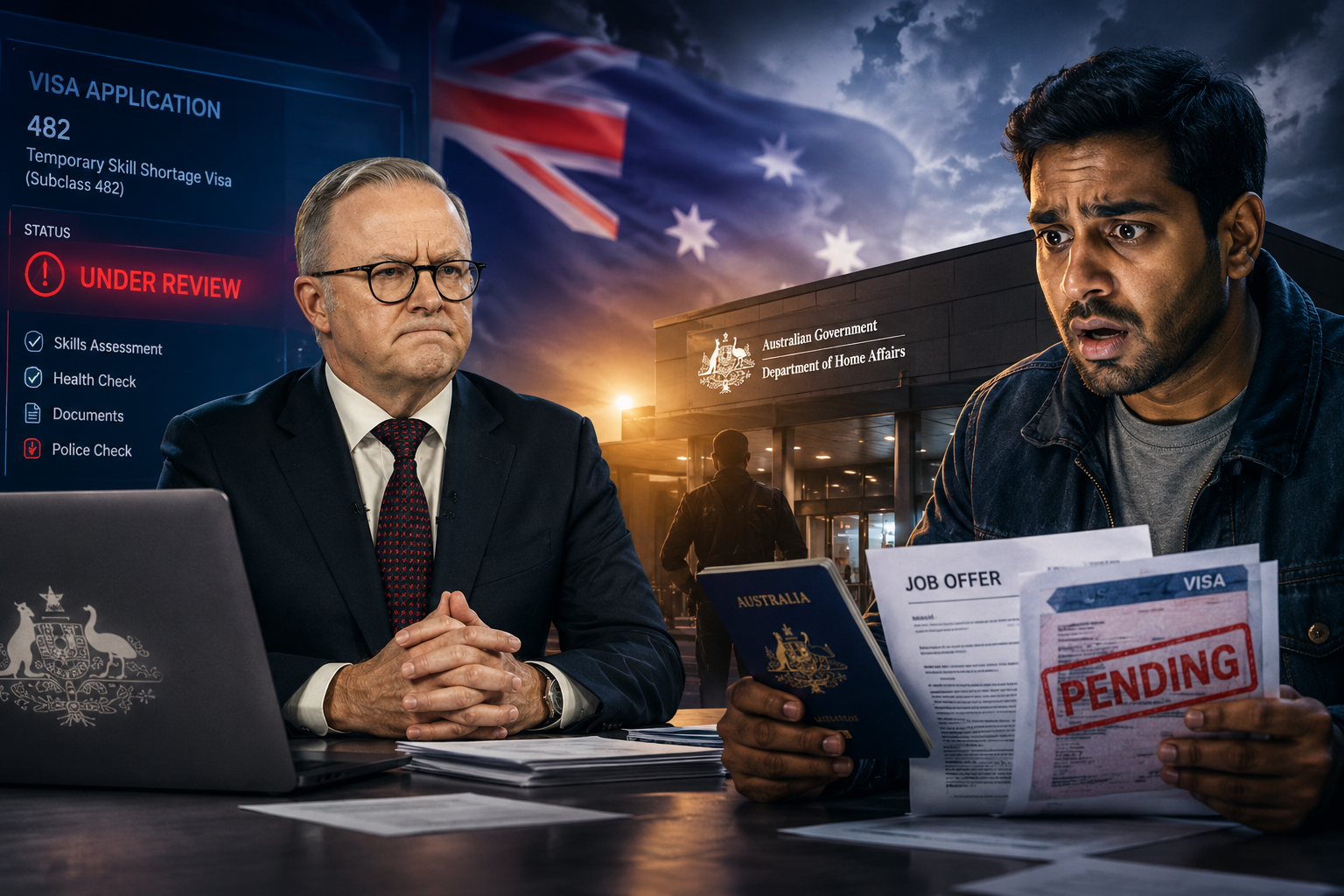
The most significant change affects the standard Student Visa (Subclass 500). The base application fee has risen from AUD $2000 to AUD $2500, representing a 25% hike.
Despite industry pushback regarding the short-term nature of English courses, the government has also introduced a dedicated fee structure for ELICOS. Students entering higher education or vocational study enrol exclusively in English Language programmes that now cost AUD $2,050.
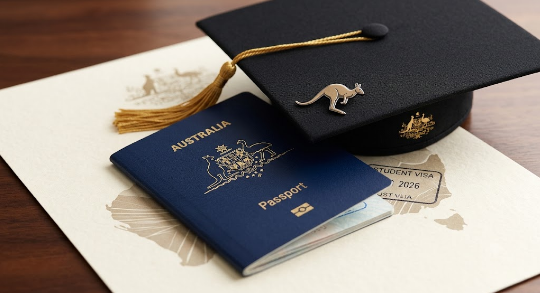
Meanwhile, graduates intending to stay in Australia after completing their studies will face higher costs. The Temporary Graduate Visa (Subclass 485) saw a sharp spike, climbing from AUD $4,600 to AUD $5,750.
Updated Australia Visa Fees (Effective 1 July 2026)
| Visa Type | Previous Fee | New Fee | Hike % |
| Student Visa (Subclass 500) | AUD $2000 | AUD $2,500 | 25% |
| ELICOS Programme | AUD $2000 | AUD $,2050 | New Tier |
| Temporary Graduate Visa (Subclass 485) | AUD $4,600 | AUD $5,750 | 25% |
Why These Higher Visa Fees Matter
For many international students, visa expenses represent only one part of a much larger financial commitment. Most applicants organise several major expenses well before lodging their visa, including:
- Tuition Fees
- Accomodation
- English Language Tests
- Travelling Expenses
- Health Cover
- Financial Documents
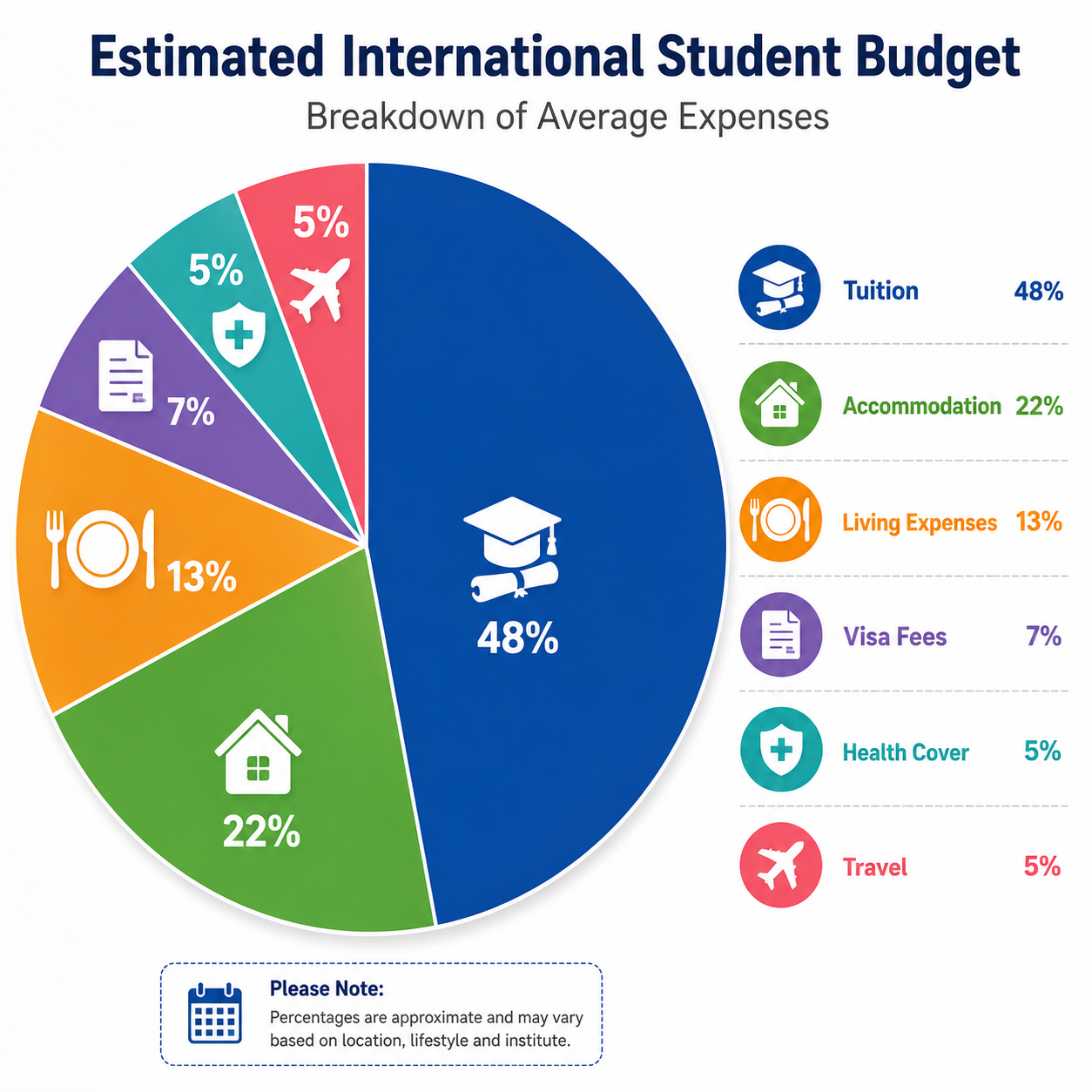
The price hike can negatively impact the budget, especially of students who have already made partial payments in terms of university deposits or home rentals.
Students applying for Subclass 485 take the biggest hit, as the spike rate is the highest in student visa categories. Many apply for this visa type to:
- Gain Australian work experience
- Recover part of their education investment
- Improve their eligibility for skilled migration
- Build professional networks
A 25% increase adds a significant additional expense at a stage when many graduates are only beginning their careers.
Concerns and criticism of student representatives voice out how Australia may seem volatile when it comes to costs for genuine students and graduates.
Is Australia Becoming Too Expensive
While Australia remains a premier global education hub due to its world-class institutions and lifestyle, these escalating fees arrive at a delicate time. International students are simultaneously confronting:
- Rising domestic living expenses and tight rental markets
- Heightened visa scrutiny, higher financial proof thresholds
- Frequent structural shifts in migration policies
Students when applying abroad for higher education don’t just consider tuition fees only but also calculate other expenses as well. They would then compare all premium education destinations, including Canada, the UK, the US, and other parts of Europe such as Germany.
Visa application charges may not determine every student’s decision, but they contribute to the overall affordability of Australian education.
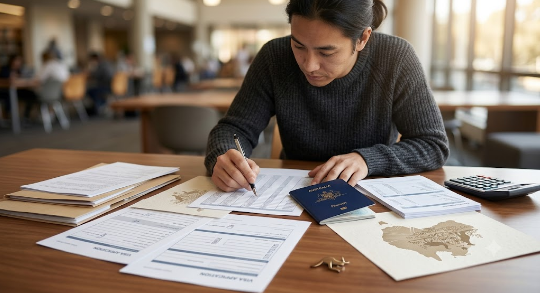
What Students Should Do Before Applying for Visa
Applicants planning to study in Australia during 2026 should review their finances before submitting a visa application.
Check Current Visa Charges
Always check the latest fees through the Australian Department of Home Affairs website before lodging an application.
Prepare a Realistic Budget
Include every expected expense rather than relying on older cost estimates or advice from previous applicants.
Understand Your Study Pathway
If your educational plan involves ELICOS, higher education, or even post-study work, you must calculate visa components independently, as the new pricing structure can depend on your pathway.
Account for Buffer Funds
Factor an extra financial safety margin into your savings to handle unexpected administrative, medical, or regulatory changes during your application window.
Key Takeaway
Australia remains one of the most attractive destinations for international education, offering globally recognised qualifications, multicultural communities, and strong graduate employment opportunities.
However, the latest visa fee increases mean prospective students should prepare for a higher overall cost of studying and living in Australia.
Whether you’re applying for a student visa, enrolling in an ELICOS programme, or planning to stay after graduation, budgeting early and checking official visa fees before applying can help you avoid unexpected financial pressure.