Synopsis: Australia student visa refusal 2026 trends reflect tightened checks after misuse of Level 2 flexibility, driving high refusal rates in Punjab, Haryana and North India. This guide explains common causes—missing funds, absent English scores—examines university responses, and gives step-by-step actions genuine applicants should take to prepare strong, compliant applications now.
A Turning Point for Indian Applicants
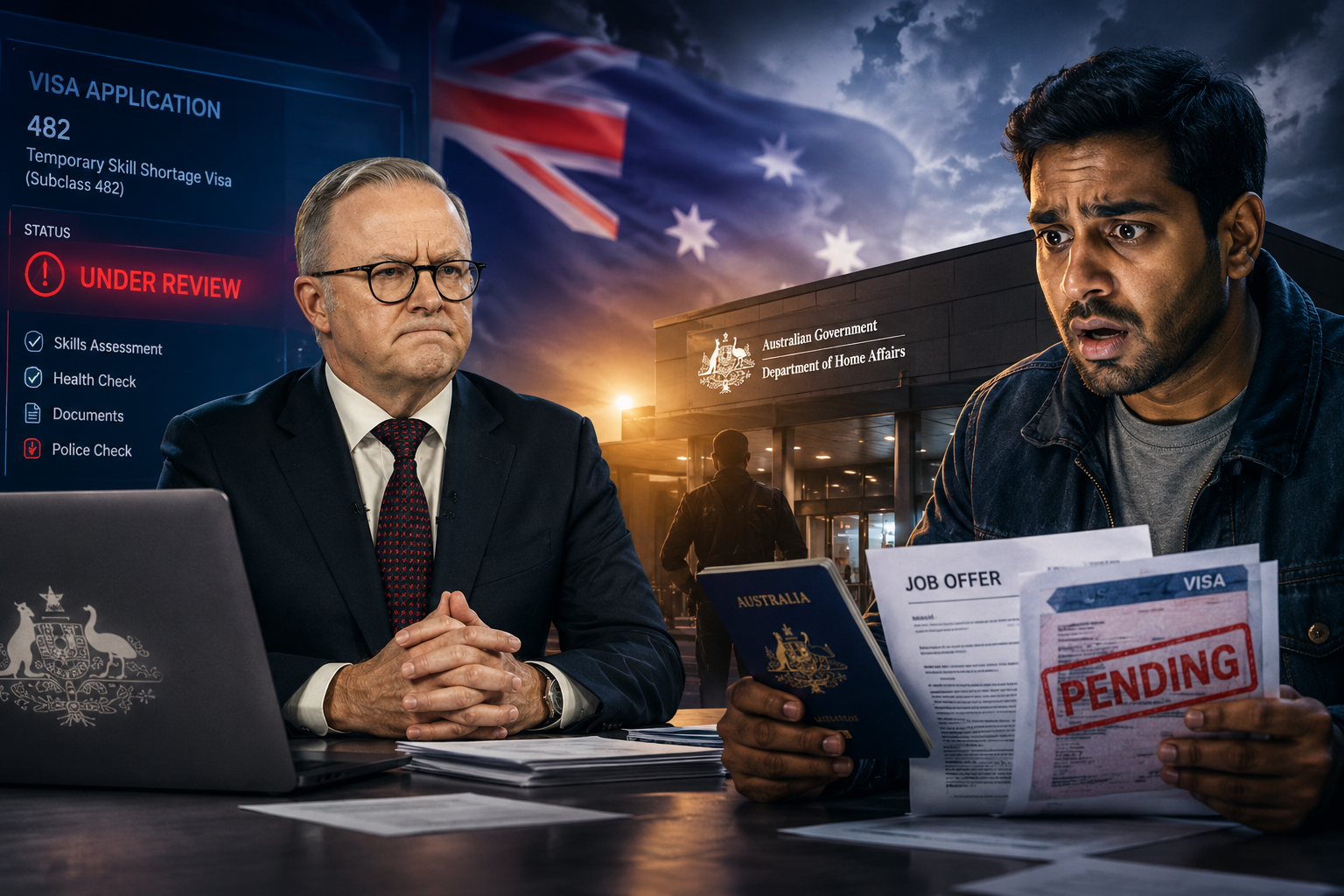
In recent months, Australia’s student visa landscape has undergone a major shift that has caught thousands of students and education consultants by surprise. While earlier many believed that the process had become more relaxed—particularly after India’s move to Level 2 assessment—recent outcomes tell a very different story. Student visa refusal rates have increased sharply, particularly among applicants from Punjab, Haryana, and parts of North India.
This development is not merely a procedural change; it reflects deeper concerns from Australian immigration authorities about the genuineness of intentions, documentation practices, and the role of certain consultancy practices encouraging “shortcuts” in applications. The Department of Home Affairs, which manages the student visa framework, has emphasized that genuine evidence of funds and English proficiency remains critical, regardless of risk level classification.
(See: Australian Government Department of Home Affairs: Student Visa (Subclass 500))
The implications are significant. Once a student receives a refusal, their chances of obtaining an Australian student visa in the future drop dramatically. In many cases, the refusal can impact eligibility not only for study, but also for future skilled migration pathways.
This blog examines why these refusals are happening, how they are connected to misconceptions about Level 2, and how genuine students can still build strong, successful applications in the upcoming intakes.

Rising Refusal Rates After October 27: What Changed and Why It Matters
Beginning late October 2025, consultants and students across India began noticing a pattern: visa refusals were increasing at an unexpected pace. What once appeared to be a phase of improved approval outcomes—especially during the preceding months—had shifted into a wave of negative decisions.
Evidence From the Ground
- Haryana students reported refusal rates as high as 80%.
- Punjab reported approximately 50% refusal rates.
- Across North India, the overall success rate noticeably declined.
- Students applying through “package systems” or via consultants encouraging minimal documentation saw the highest refusal rates.
Why this sudden shift?
The core reason was misinterpretation and misuse of the Level 2 classification for India. When India was moved to Level 2, many consultants incorrectly promoted the idea that:
- Proof of funds was not required
- English proficiency results (IELTS/PTE) were not necessary
- Applications would be judged loosely, similar to a low-risk category
However, Level 2 does not remove documentation requirements. It only means that visa officers can exercise discretion, but that discretion can become strict when evidence is not properly presented.
To verify the seriousness of the shift, refer to the Australian Government’s explanation of the Genuine Student requirement
The purpose of this assessment is to ensure that the applicant truly intends to study—not simply use education as a migration pathway.
Misleading Advice and The Consultant Culture: How the Market Got Distorted
Many students rely heavily on local consultancy firms for guidance. However, the sudden rise in refusals has revealed a critical issue: some consultants encouraged students to apply without adequate financial documentation or English language scores.
The “Package” Model
Certain consultancy models offer:
- Pre-arranged admissions
- Weak or generic Statement of Purposes (SOPs)
- Promises of visa approval without strong documentation
These models often appeal to students who:
- Have limited funds
- Want to avoid language tests like IELTS / PTE
- Are in a rush to fly abroad
But the result has been disastrous.
Who Paid the Price?
Not the consultants.
It is genuine students—those with real academic intent—who are now facing increased scrutiny and visa refusals.
The Risk of One-Time Refusal: Why Re-application is Dangerous
One of the most serious consequences of the current situation is that an Australian student visa refusal severely affects future chances.
If a refusal is issued:
- It becomes extremely difficult to secure another student visa
- Even universities may refuse to issue a Confirmation of Enrolment (CoE)
- The refusal record remains in immigration history and influences future visa categories
In rare cases, a student may reapply:
- After completing a full university degree in India
- Following a period of academic progression or professional experience
But these are exceptions—not assurances.
Conclusion: The First Application Must Be Strong.
Your first attempt is your best attempt—and often your only real chance.
Proper Fund Documentation: What Students Must Show
Funds remain the strongest evidence of stability and academic intention. Regardless of consultant claims, students should prepare proper documentation.
Acceptable Financial Sources:
- Parents’ savings (with bank statements and Income Tax Returns)
- Up to 30% support from immediate extended family, such as:
- Uncle, Aunt
- Grandparents
- Siblings
- Cousins (in direct family structure)
- Educational loans
- Government Provident Fund (GPF) withdrawals
- Scholarships or sponsorship certificates when applicable
To better understand recognized education sources and providers, students may refer to the Australian Government’s Study in Australia portal
Why Are Funds So Important?
Funds prove:
- The ability to afford tuition and living costs
- The likelihood of completion of the course
- A reduced risk of dropout after arrival
- Compliance with international student visa conditions
Visa officers assess financial stability as part of evaluating whether a student is “genuine” in their intention to study.
English Proficiency Proof: Still Crucial, Even at Level 2
Even though Level 2 technically reduces documentation checks, the visa ecosystem still expects applicants to demonstrate language readiness.
Why English Test Scores Matter:
- They prove academic capability
- They support employment options during allowed part-time work
- They demonstrate preparedness to integrate into academic environments
Additionally, many institutions, advisors, and language educators emphasize that standardized scores offer credibility and help distinguish genuine applicants from non-serious ones.
The Impact on University Admissions and CoE Issuance
Another serious outcome of rising refusals is that universities have tightened their screening policies.
If a refusal is recorded:
- Universities may decline to issue new CoEs
- Students may be restricted to lower-tier institutions, affecting future PR or job prospects
- Some institutions may require higher English scores or full upfront tuition fees
The Tertiary Education Quality and Standards Agency (TEQSA) oversees quality assurance in Australian higher education and plays a role in ensuring institutions comply with national standards.
As institutions become stricter, students must be prepared for additional verification and interviews.
Australia’s Broader Immigration Trends: A Data Insight
The increased scrutiny in student visas is also tied to national immigration policy priorities.
According to the Australian Bureau of Statistics, recent shifts in migration levels have influenced housing demand, local labor market pressure, and infrastructure demand. These pressures have led policymakers to re-evaluate student inflows.
Key Factors Driving Policy Tightening:
- Housing shortages in major cities
- High part-time labor market competition
- Efforts to maintain education system quality
- Prevention of misuse of student visas as migration shortcuts
How Genuine Students Can Still Secure a Visa Successfully
Despite the rising refusal trends, genuine applicants still have strong prospects—if they follow a structured approach.
Follow These Core Principles:
- Prepare all financial documents clearly and transparently
- Take IELTS, PTE, or TOEFL and attach results
- Write a personal, specific, credible Statement of Purpose
- Select a program aligned with your previous academics
- Avoid consultants who promise visas without documentation
Do Not Rush
If funds are not ready:
- Wait 1–3 months
- Arrange accounts properly
- Ensure tax documentation is complete
Your patience today protects your future tomorrow.
Conclusion: A Crucial Moment for Students and Families
The current situation is not meant to discourage genuine students. Instead, it represents a reset—a reminder that Australia values genuine academic intentions and not visa shortcuts.
Students who apply:
- With proper documentation
- With language readiness
- With academic clarity
- With transparent financial preparation
Will still achieve successful outcomes in upcoming intakes.
The key is applying correctly the first time.
Your future depends on it.