Synopsis: Australia student visa 2026 increases access with a 295,000 National Planning Level, promising opportunities for international learners. Yet surging dropouts, ghost-college scams and tougher migration rules require applicants to verify providers, commit to study, and prepare financially to avoid visa cancellation or exploitation. This guide advises cautious, compliant application strategies.
A Game-Changer with Hidden Challenges
Australia has unveiled ambitious student visa targets for 2026, aiming to welcome between 270,000 and 295,000 international students. This expansion underscores the country’s recognition of education as a key driver of its economy and global influence. According to the Australian Department of Home Affairs, international education contributes billions annually, making it one of the nation’s largest export sectors.
But beneath the celebratory headlines lies a sobering reality. Reports of mass dropouts, course switching scams, and misuse of student visas have raised pressing questions about the integrity of the system. Could this dual narrative of opportunity and exploitation reshape the future of studying in Australia? And what does it mean for Indian, Pakistani, Kenyan, and other international students considering this pathway?
This blog unpacks both sides of the story—opportunities and risks—and offers honest advice for prospective students preparing to study in Australia.

Australia’s 2026 Student Visa Targets
Massive Growth in International Student Places
The Australian government has set a bold target for 2026, projecting between 270,000 and 295,000 international student visas. This allocation reflects renewed confidence after years of policy volatility during 2023 and early 2024, when frequent changes created uncertainty for students and universities alike.
For India, Pakistan, Bangladesh, and Southeast Asia, this marks a new era of accessibility. Students from these regions represent a substantial portion of Australia’s incoming cohorts, particularly in higher education and vocational training.
Why These Targets Matter
- Higher education visa approval rates are soaring. Recent success rates have hovered between 87% and 95% at leading universities.
- A two-year plan creates stability. Unlike past years of shifting rules, the government’s commitment allows families to plan with confidence.
- Focus on regional economies. Many seats are expected to be filled in smaller cities, aligning with Australia’s policy of regional growth and workforce distribution.
But while the numbers excite students and education agents, stakeholders warn that quantity without quality could backfire.
The Dropout Crisis and Misuse of Student Visas
Startling Dropout Statistics
A wave of alarming dropout figures has come to light:
- Central Queensland University – 67% dropout rate
- Federation University – 48%
- Queensland University of Technology – 46%
- Griffith University – 25%
- Regional universities – averaging 50% across different courses
These figures reveal a pattern: many students are not completing the degrees they initially commit to. Instead, they abandon programs within six months to pursue cheaper diplomas or vocational pathways.
Course Switching and Visa Misuse
Why does this happen? Students often switch to lower-cost courses in hospitality, trade, or language training. The underlying motive is rarely academic—it is immigration-driven. By lowering tuition fees and extending stay options, students prioritize work rights and residency prospects over education.
This phenomenon has been criticized by academics and policymakers. Professor Salvador Barbun and others warn that universities risk being reduced to “visa gateways,” undermining the credibility of Australia’s higher education system.
Why Are So Many Students Dropping Out?
1. High Cost of Education
Australian universities charge annual fees ranging from AUD 25,000 to AUD 45,000, depending on the course. For families from South Asia and Africa, these costs can quickly become unsustainable. Switching to cheaper vocational courses becomes a survival tactic.
2. Permanent Residency (PR) Pressure
Many students are advised—sometimes misled—by education agents to choose “PR-friendly” courses. Instead of following their academic passions, they are steered into programs with higher migration points, such as nursing, trade, or IT.
3. Ghost Colleges
Australia has long struggled with unregulated private colleges, sometimes called “visa factories.” These institutions exist primarily to issue Confirmation of Enrolment (CoE) documents, enabling students to secure visas while offering minimal educational value.
4. Fake Promises by Agents
Unethical migration agents often lure students with exaggerated promises about post-study work visas and residency. Upon arrival, many students realize the reality is far harsher, leading to disappointment and course switching.
Government Response and Stricter Rules
The Australian government has moved decisively to curb these practices. Key measures include:
- Closure of 150 colleges and warnings issued to over 140 others for malpractice.
- Ban on switching from universities to vocational colleges within the first six months.
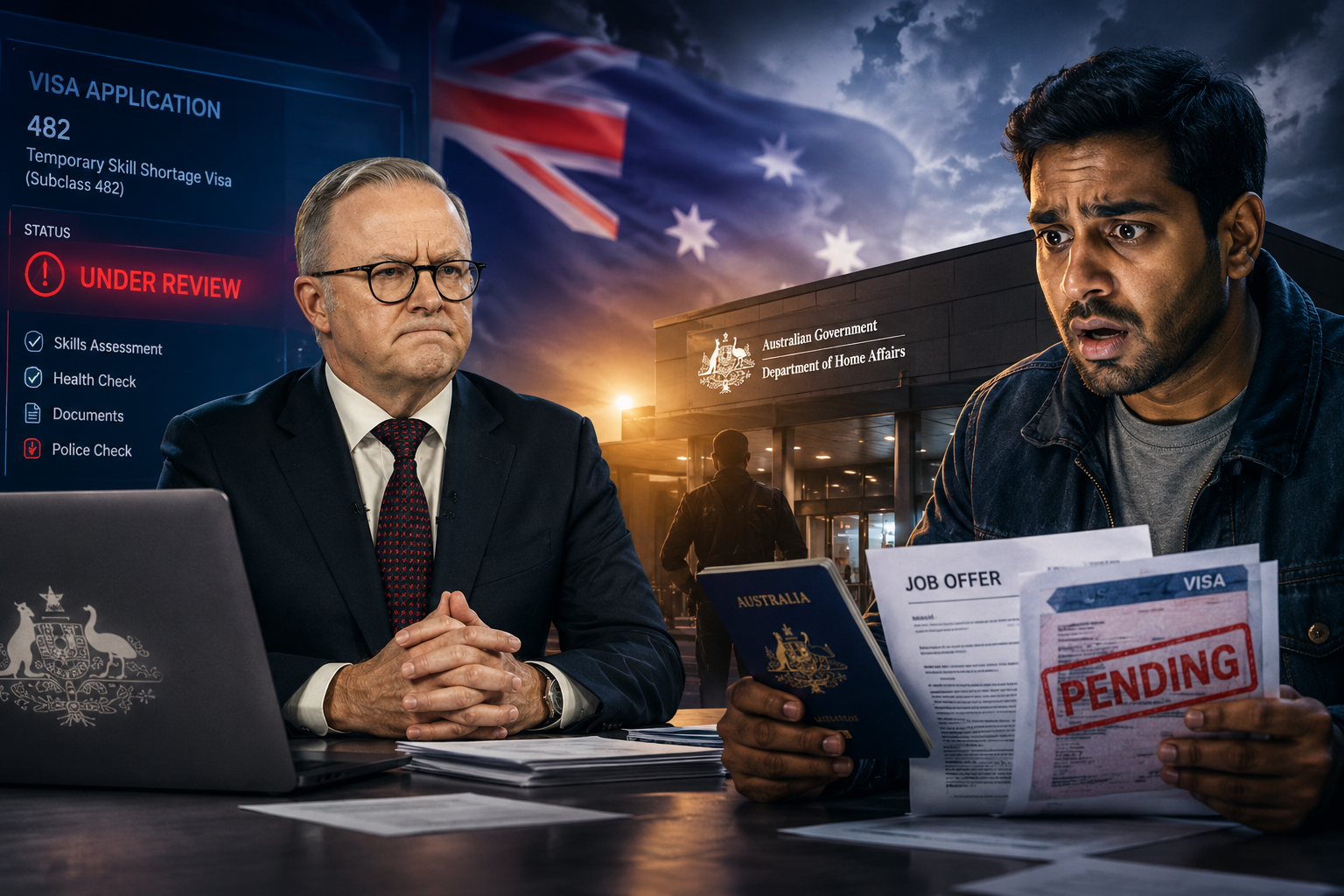
- Visa fee hikes – now nearly AUD 2,000 per application.
- Stricter English and financial requirements, ensuring students can genuinely sustain their studies.
- Enhanced monitoring through AI and digital tracking to detect fraudulent behavior.
The Department of Education emphasizes that these reforms aim to balance economic benefits with visa integrity. Australia cannot afford to tarnish its reputation as a top global study destination.
The Economic Stakes
International education is worth over AUD 48 billion annually to Australia’s economy. Universities, regional towns, and service sectors—from housing to retail—depend heavily on student inflows.
Yet, unchecked misuse of visas threatens this ecosystem. Dropouts not only affect institutional rankings but also weaken public trust in migration programs. This tension explains why the government is pursuing what it calls a “dual-track policy”: keeping doors open while tightening compliance.
Honest Advice for Future Students
For those genuinely aspiring to study in Australia, here are critical takeaways:
Choose the Right Institution
Opt for reputable universities, ideally those in the Group of Eight or Level One categories. These institutions not only provide academic excellence but also offer higher visa approval security.
Commit to Your Course
Dropping out after six months may appear financially attractive, but the risks—visa cancellation, deportation, and permanent bans—far outweigh short-term savings.
Verify Information Independently
Do not rely solely on education agents. Cross-check details on official university websites and the Study in Australia portal.
See Education as Investment, Not Shortcut
Studying abroad is costly, but the long-term return lies in skills, global exposure, and professional security—not quick PR fixes.
Follow Rules Strictly
Australia is increasingly using AI-powered monitoring across borders and institutions. Attempting to bend the system can jeopardize your entire future.
The Broader Policy Context
Australia’s education reforms align with global trends. Countries like Canada and the UK have also introduced tighter student visa rules in 2024–2025 to protect their education sectors. According to the Migration Policy Institute, these changes reflect a growing need to align migration pathways with labor market needs rather than unregulated inflows.
In this context, Australia is positioning itself as both open and selective—welcoming genuine students while discouraging exploitation.
Final Thoughts and Closing Message
Australia’s 2026 student visa program is a paradox. On one side, nearly 295,000 opportunities await international students, offering life-changing pathways. On the other side, systemic misuse, dropouts, and scams are forcing the government into stricter oversight.
For genuine students, the message is clear: play by the rules, treat education as an investment, and Australia will reward you with opportunities. For those attempting shortcuts, the risks have never been greater.
The story of Australia’s international education future will depend not just on government policy but also on how responsibly students, universities, and agents behave. If fairness and compliance prevail, Australia will remain a welcoming, world-class study destination for decades to come.