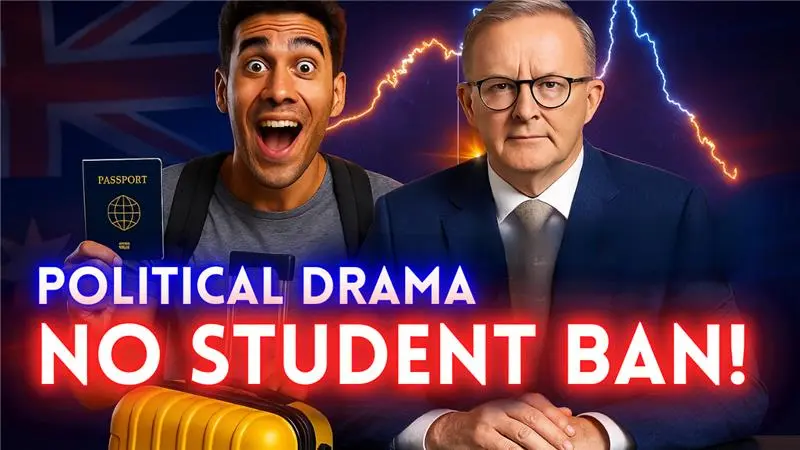
Synopsis: This blog explores the recent controversy over alleged Australian student visa bans for Indian applicants. It examines official denials, university actions, and political debates on migration and housing, highlighting the confusion and challenges faced by Indian students amid shifting policies and election-driven rhetoric.
In April 2025, a wave of anxiety swept through India’s student community. Headlines proclaimed that Australia—one of the world’s most popular destinations for international education—was banning student visa applications from several Indian states. The alleged ban targeted Punjab, Haryana, Uttar Pradesh, Gujarat, Rajasthan, and Jammu & Kashmir, sparking fears among aspiring students and their families. But was this a case of policy or panic? As the dust settles, a deeper story emerges—one shaped by political maneuvering, economic pressures, and the enduring value of international education.

Allegations of Student Visa Bans: The Spark that Lit the Fire
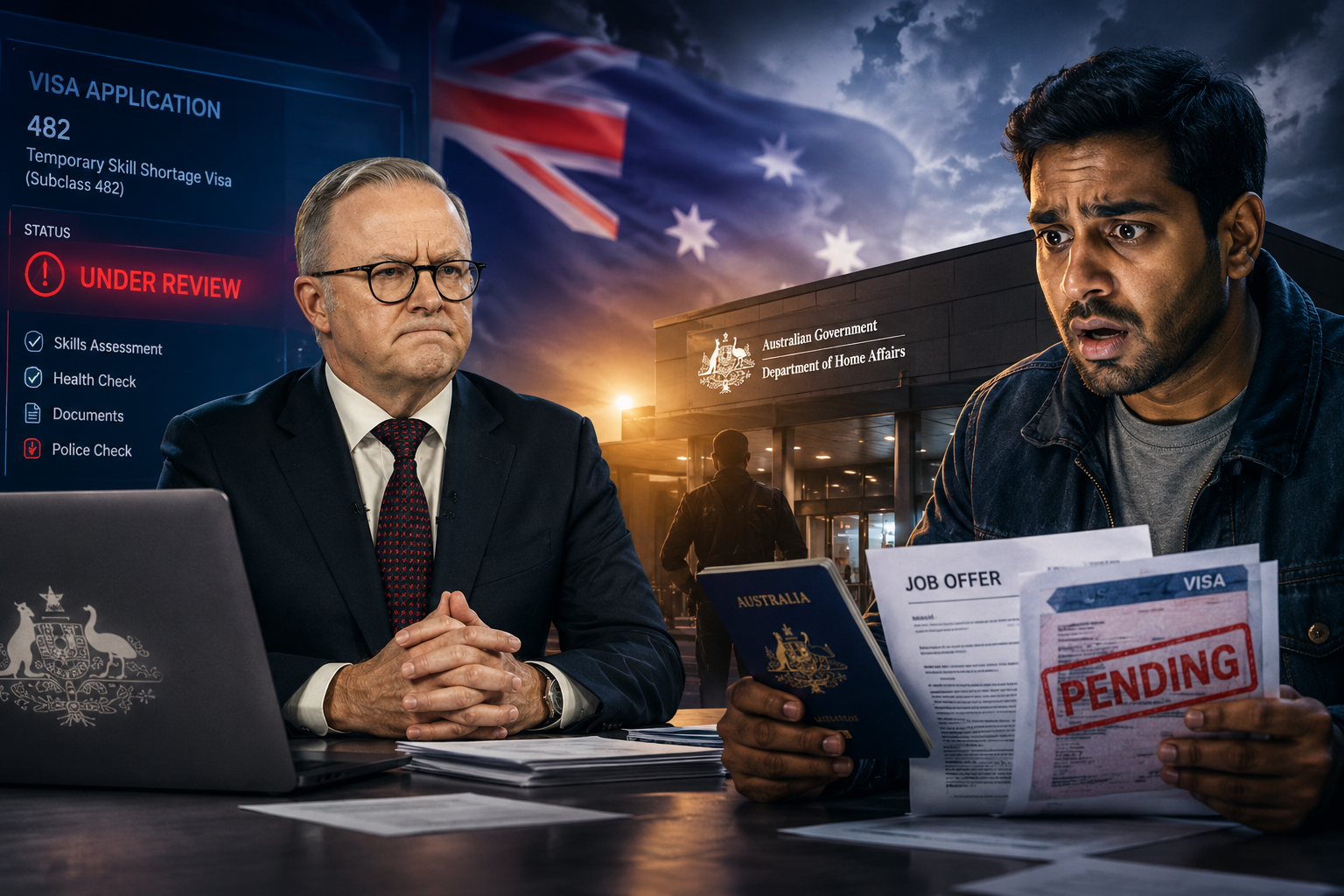
The controversy began with reports that several Australian universities were either suspending or heavily scrutinizing student visa applications from specific Indian states. The stated reason: a surge in fraudulent applications, with authorities and university officials alleging that some students were using the education route as a backdoor to permanent residency rather than for genuine academic pursuits6 8.
“Many applicants from these regions are suspected of using student visas as a backdoor to gain permanent residency, rather than for genuine educational purposes. This has led to what authorities call a ‘credibility crisis’ in Australia’s international education system.”6
Universities such as Federation University, Western Sydney University, Victoria University, and Southern Cross University reportedly halted or restricted applications from these regions, citing a need to restore trust and uphold the integrity of Australia’s education sector7 8.
The move sent ripples through the education consultancy industry in India, especially in states like Gujarat, where Australia is a top destination.
“Of every 100 students who plan to study overseas, at least 20 are directly impacted. With Canada and the US already tightening immigration policies, and now Australia going the same way, the list of accessible countries is shrinking.”
– Bhavin Thaker, foreign education consultant7
Official Clarifications from Australia: Denial and Reassurance
In response to the uproar, the Australian High Commission in New Delhi moved swiftly to set the record straight. In a statement dated April 23, 2025, the Commission categorically denied any ban or restriction on student visa applications from specific Indian states:
“The assertion that Indian university student applications from specific Indian states are being banned, or restricted, is incorrect.”2 4
The High Commission emphasized that over 125,000 Indian students are currently studying in Australia—the second-largest cohort from any country—and that visa processing continues in line with global standards2 4.
The statement was clear: Australia values Indian students and welcomes their contribution to classrooms and society.
India’s Ministry of External Affairs (MEA) echoed this sentiment, noting that visa decisions are the sovereign prerogative of each country but affirming that no official ban had been imposed on Indian applicants from any state2.
University Actions vs. Government Policy: The Gray Area
While the Australian government denied any official ban, reports confirmed that several universities had indeed suspended or restricted applications from the six named Indian states6 7 8.
The distinction is crucial: these were institutional decisions, not directives from Canberra.
- Some universities stopped accepting applications from the affected states entirely.
- Others introduced more rigorous verification and screening processes, partnering with the Department of Home Affairs to combat fraud6 8.
This duality—government reassurance versus university-level caution—created confusion and frustration among legitimate applicants, many of whom felt unfairly penalized for the actions of a minority.
“The majority of applicants are sincere, and they can be easily identified based on their academic scores, background, and intent. Blanket bans only add to the frustration.”
– Bhavin Thaker, education consultant7
The Political Backdrop: Peter Dutton’s Immigration Clampdown
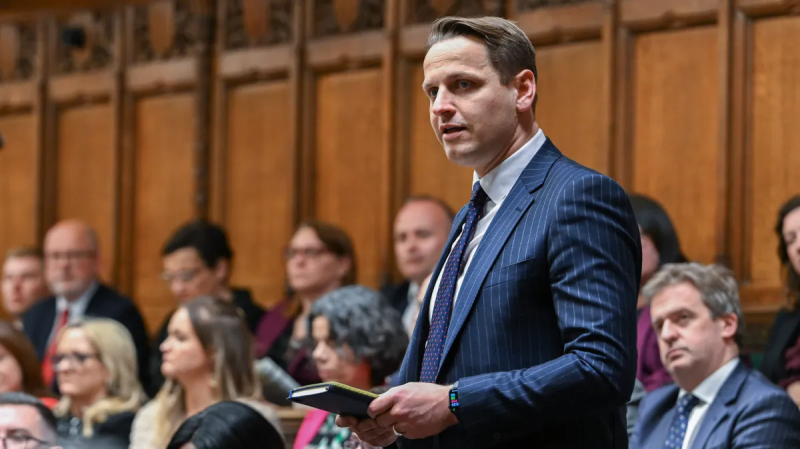
The visa controversy unfolded against a larger, more contentious debate on migration and housing in Australia. Opposition leader Peter Dutton, positioning himself ahead of the 2025 federal election, promised a dramatic reduction in international student numbers and overall migration. His rationale: to address Australia’s housing crisis.
“We will cap international student numbers and reduce permanent migration by 25%—freeing up nearly 40,000 homes in the first year.”
Dutton linked the influx of international students—up 65% since the last federal election, from 520,000 to over 850,000—to a 25% surge in median rents and a squeeze on housing availability, particularly for young Australians2 3.
“Australians can’t afford a home. Rents have gone up, in part, it’s because international student numbers are up by 65%.”
– Peter Dutton3
His proposed policy would slash overseas student visas to 30,000 in 2026 and cut permanent migration by 25%3.
The message was clear: Australians first, migrants second.
Fact Check: Are Migrants Really to Blame for Australia’s Housing Crisis?
While Dutton’s rhetoric resonates with voters facing soaring rents and home prices, experts caution against oversimplification. According to The Conversation, arguments that migrants are the main drivers of house price inflation are “largely wrong”5.
- Permanent migration, in particular, is vital for economic growth and countering Australia’s aging population5.
- The Coalition’s plan to reduce permanent migration from 185,000 to 140,000 annually is seen by many economists as ill-timed and potentially harmful5.
- The real issues, experts argue, lie in housing supply constraints and broader economic factors—not simply the number of migrants or international students5.
“Now is not the time to cut immigration, given the contribution it makes to the economy. Arguments that migrants are pushing up house prices are largely wrong.”
– The Conversation, April 20255
Indian Students: The Numbers Behind the Headlines
Despite the controversy, Indian students remain a cornerstone of Australia’s international education sector. In February 2025, India overtook China as the leading source of student visas to Australia, with over 5,000 visas granted in just two months2.
- Indian students are particularly attracted to programs in IT, engineering, business, and healthcare2.
- Strong post-study work options and a vibrant student experience continue to draw applicants, even amid policy uncertainty2.
“India has overtaken China as the leading source of student visas to Australia… The increase in Indian enrolments is linked to Australia’s appeal in areas such as IT, engineering, business and healthcare, along with strong post-study work options and a vibrant student experience.”2
The Human Impact: Confusion, Disappointment, and Resilience
For thousands of Indian students, the mixed messages from universities, media, and politicians have created a climate of uncertainty.
- Legitimate applicants are left in limbo, unsure whether their dreams of studying in Australia will be realized.
- Education consultants report a dramatic reduction in opportunities, with some students now considering alternative destinations or delaying their plans7 8.
- The reputational risk to Australia’s education sector is real, as students weigh the country’s openness against competing destinations like the UK, US, and Canada7 8.
“Legitimate applicants are now confused and disappointed by this decision because India remains one of Australia’s biggest sources of international students.”8
What’s Next? Policy, Politics, and the Path Forward
As Australia heads toward a federal election, migration and international education will remain hot-button issues. The government insists that Indian students are welcome and that no official ban exists. Yet, university-level restrictions and heightened scrutiny are likely to persist as institutions seek to balance the integrity of their programs with the needs of the economy.
Diplomatic engagement between India and Australia will be crucial to resolving tensions and ensuring that genuine students are not caught in the crossfire. Both countries have a vested interest in maintaining strong educational and cultural ties.
“While Australia denies any ban, political narratives are shifting fast. Students remain welcome, but policy winds are unpredictable. As elections near, Indian applicants should stay informed and cautious.”
Conclusion: Navigating the New Normal
The saga of the alleged Australian visa ban for Indian students is a case study in the complexities of modern migration policy. It reveals how quickly rumors can spread, how political rhetoric can shape public perception, and how vital clear communication is for international students.
Key Takeaways:
- Several universities have imposed their own restrictions or enhanced scrutiny, primarily in response to concerns about fraud6 7 8.
- The migration debate is deeply intertwined with Australia’s housing crisis and political landscape, with international students often caught in the middle3 5.
- Indian students remain a valued and growing presence in Australia, but must navigate an increasingly complex and competitive environment2.
As the world becomes more interconnected—and more politically charged—students, universities, and policymakers must work together to ensure that the doors of opportunity remain open, fair, and transparent.
“Education is the most powerful weapon which you can use to change the world.”
– Nelson Mandela
For Indian students dreaming of studying in Australia, vigilance, preparation, and adaptability will be the keys to success in 2025 and beyond.