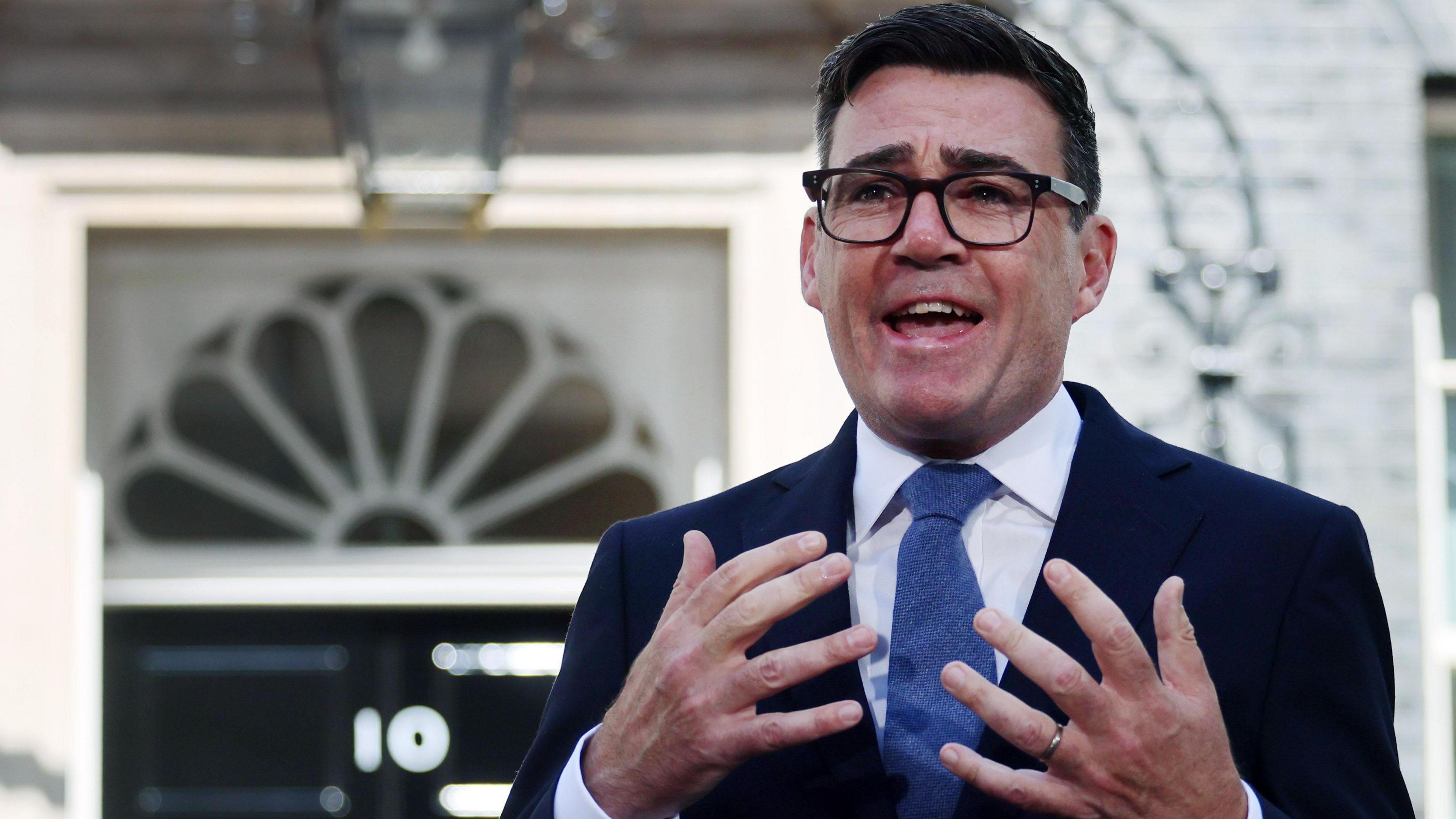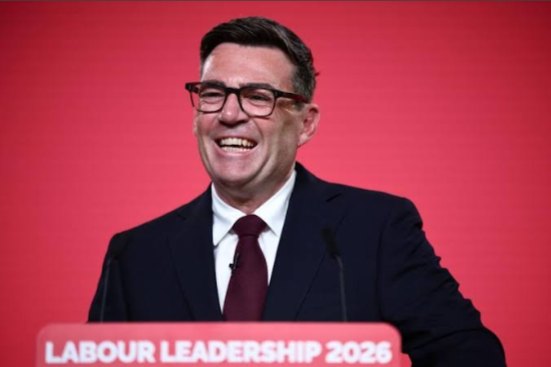
Synopsis: This article examines Andy Burnham’s 2026 asylum reform proposal, which moves beyond simple deterrence. Burnham offers a three-pillar strategy: enhanced border control, robust legal protections, and a fairer distribution of local responsibility. We analyse the political viability of these measures, address current FAQs, and clarify the distinction between his proposal and the government’s ongoing legislative process.
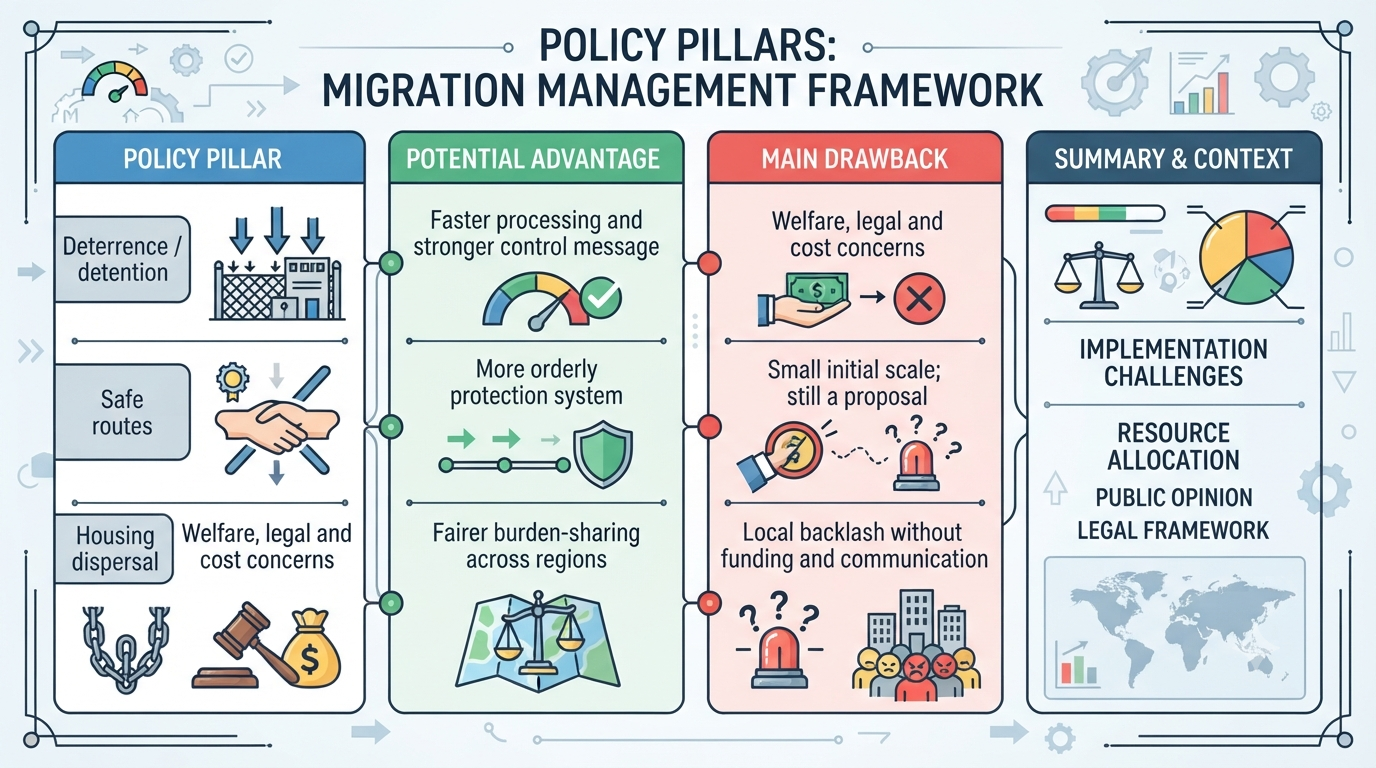
In the view of Burnham (and from the content of his recent campaign statements), his proposal is built on three conditions:
- A more robust deterrence policy that is more fully realised through increasing availability of detention
- More widespread distribution across the country of safe locations for those who have a genuine need for protection
- Fairer distribution of asylum provision nationally
It comes as a live Westminster debate is held on the government’s Immigration and Asylum Bill, which is being described as a move to ensure it is “fair to genuine refugees” and “fair to local communities”.
The stakes are high, due to the politically potent numbers. A total of 94,000 people claimed asylum in the year ending March 2026; 49,000 people were awaiting an initial decision at the end of March, and 21,000 supported asylum seekers remained in hotels. During that time, 23,000 people went into detention, and 39,000 returns were reported. 
The Three Policy Pillars Voters Will Judge
Deterrence and Detention
Burnham has said that detention should be used more often to process people who have no justifiable grounds for being detained and remove them more quickly. Politically, that addresses directly the voters who desire to see control at the border. The downside is that detention is costly, legally challenged and operationally controversial. Home Office figures for the year to December 2025 reveal that 51% of those who left detention in that time had been let go on immigration bail, and the HM Inspectorate of Prisons (HmIPS) recently raised concerns about the safety of women detained.
Safe Routes
This is the other side of the discussion for this proposal. Ministers state that the new capped safe and legal routes will have community-sponsored routes and study routes with applications to be put out in autumn 2026 and first arrivals in autumn 2027. The description should be reworded to say, “This is a proposed service and not a guaranteed delivery. It was meant to lessen the need for the use of irregular routes, but Oxford’s Migration Observatory states that information is still scarce and the routes are likely to start in small numbers.

Housing and Local Fairness
Burnham has further argued that asylum dispersal should not be concentrated primarily in lower-cost and more deprived communities. This concern reflects broader debates around pressure on local services, community impact, and the continued use of hotels for asylum accommodation. While government data indicates that the number of asylum hotels is declining, the issue remains a prominent concern. The IPPR has highlighted that asylum accommodation can become a source of local tension when communication is insufficient, and residents feel that decisions are being made without their involvement.
Why This Matters Politically in 2026
The central theme for readers seeking out asylum policy in the UK in 2026 is whether Burnham can be both effective and legitimate. He is not just proposing “tougher borders” but a three-part offer:
- Control,
- Legal Protection
- More Balanced Sharing of Local Responsibility
The main challenge now lies in implementation.
FAQs
Has Burnham’s asylum plan become government policy?
Not in full. The version of detention and dispersal in the provided source text should be considered as Burnham’s proposal; the Government’s Immigration and Asylum Bill is an entirely different piece of legislation that is currently under consideration in Parliament.
Have the new safe routes been opened?
Not yet. Ministers have indicated that applications from new capped safe routes are likely to be forthcoming in autumn 2026, with the first applications due to arrive in autumn 2027.
How many asylum seekers are still in hotels?
The Home Office has reported that at the end of March, there were approximately 21,000 asylum seekers in hotel accommodation.