Synopsis: Australia’s Department of Home Affairs July 2025 visa processing update reveals faster student and visitor visa timelines but ongoing delays for permanent residency and partner visas. This blog unpacks the latest benchmarks, explains the backlogs’ root causes, and shares actionable tips to accelerate your application.
Why These Updates Matter: Australia’s Immigration Clock Is Ticking
As of July 1, 2025, Australia has overhauled its visa processing estimates across key subclasses—prompting celebration for student applicants, but mixed reactions among PR seekers and partner visa holders. With growing scrutiny on backlog management and efficiency, the Department of Home Affairs (DHA) has begun publishing real-time benchmarks to improve transparency.
What does this mean for your visa prospects? This blog offers a detailed breakdown of timelines across major visa subclasses, followed by practical tips to improve your chances of faster approvals. Read on for category-specific wait times, processing statistics, and proven strategies—plus five authoritative sources embedded for additional reference.
Topics Discussed:
- Understanding Visa Processing Estimates
- Visa-by-Visa Breakdown for 2025
- Pro Tips to Speed Up Your Application
- Final Thoughts and What to Watch

Understanding Visa Processing Estimates
Visa processing times reflect the estimated duration from application submission to decision, but these figures are influenced by various dynamic elements.
Key Factors Affecting Processing Times
- Visa Subclass: Each subclass has its own processing infrastructure and resource allocation. A student visa differs drastically from a partner or skilled visa.
- Application Completeness: Incomplete applications often face delays. Uploading all supporting documents from the outset reduces review back-and-forth.
- Health & Character Checks: Medical appointments and police clearance timings significantly affect overall speed. For example, delays in Australian Federal Police (AFP) clearances can push timelines weeks or months.
- Demand and Backlog: Applications for popular subclasses like the 189 or 190 can face extensive delays due to oversubscription.
The Home Affairs system now updates processing benchmarks monthly, helping applicants gauge realistic expectations.
Visa-by-Visa Breakdown for 2025
Below is a category-wise breakdown based on the July 1, 2025 update by DHA, covering average and maximum wait times for key visa subclasses.
Student Visa (Subclass 500)
Good News: Student visa approvals have accelerated dramatically in 2025.
- 50% of applications are processed within 29 days.
- 95% of applications processed within 6 months.
This is a marked improvement from previous years when 50% of cases took 3 to 6 months, and others stretched beyond 9–12 months.
Reason: Declining intake applications combined with improved backend efficiencies.
Tip: A fully complete application with all documentation can reduce delays significantly.
Skilled Independent Visa (Subclass 189)
Subclass 189 remains a major route for independent permanent residency seekers. However, timeframes vary depending on stream.
- 50% processed within 6 months (Point-tested stream).
- 90% completed within 9 months from nomination date, not Expression of Interest (EOI).
While these numbers seem optimistic, many applicants from oversubscribed occupations still face delays due to backlogs.
For skilled workers, consult the Skilled Occupation List to check eligibility and demand trends.
State Nominated Visa (Subclass 190)
This PR pathway, reliant on state-level nominations, continues to experience long processing durations.
- 50% processed in 16 months.
- 90% take up to 22 months post-nomination.
This means an applicant may spend nearly two years awaiting decisions after their state or territory nomination—especially in high-demand areas like NSW or Victoria.
DHA clears prior backlogs before issuing new invitations, further elongating timelines.
Regional Visa (Subclass 491)
Often preferred by migrants in designated regional zones, the 491 visa is another PR-linked route but with slightly faster processing than the 190.
- 50% processed within 18 months.
- 99% finalized within 24 months from nomination date.
While still a long wait, the near-certainty of completion within two years offers planning security to many regional migrants.
Regional migration policies are expected to remain a pillar of Australia’s Population Management Framework.
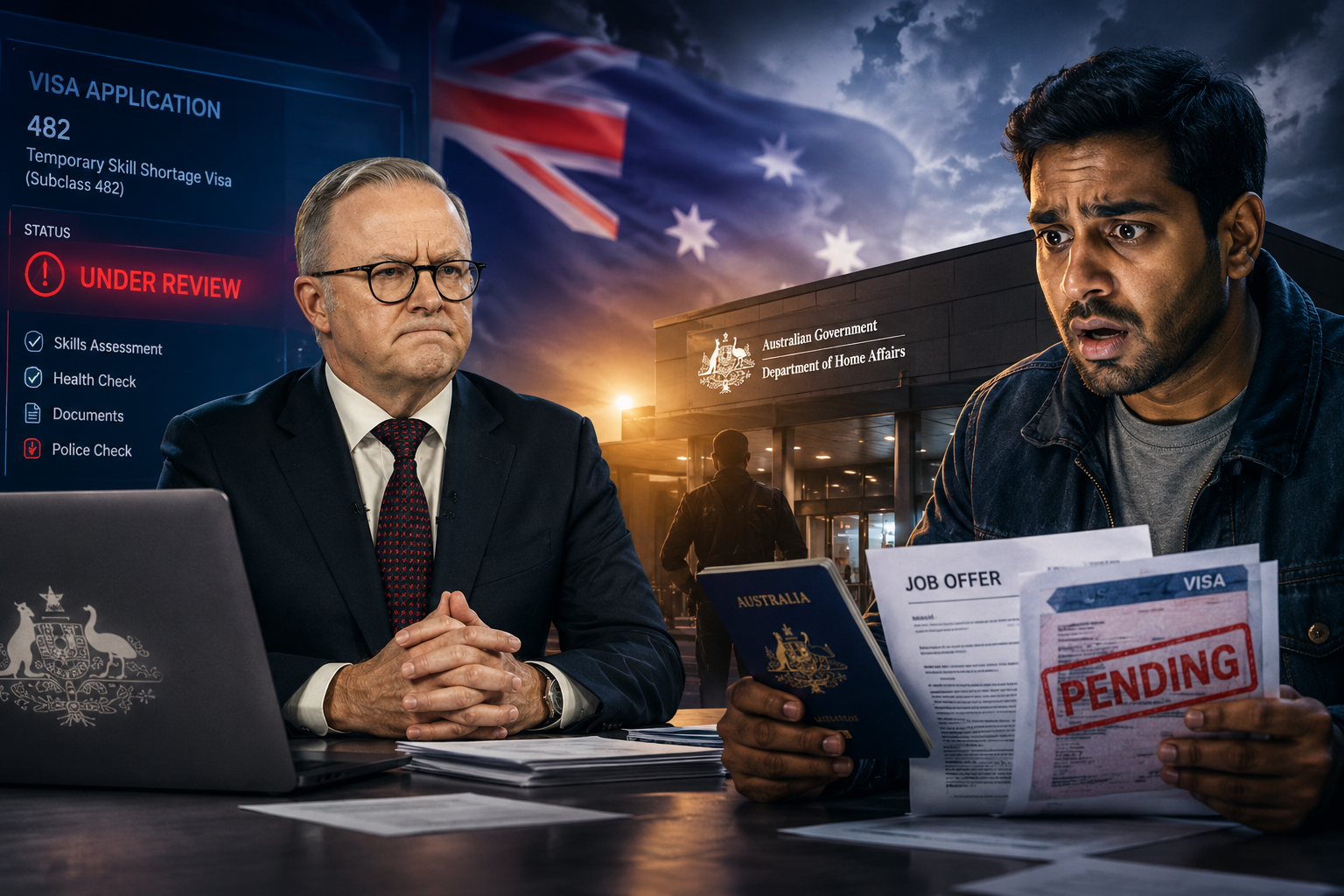
Employer-Sponsored Visa (Subclass 482)
Also known as the Skills in Demand visa, subclass 482 has three streams with vastly different timelines.
Core Skills Stream:
- 50% processed within 60 days.
- 90% within 4 months.
Labour Agreement Stream:
- 50% processed within 70 days.
- 90% within 3 months.
Specialist Skills Stream:
- 50% processed in just 7 days.
- 90% completed within 2 months.
This subclass benefits those with employer backing in sectors like healthcare, engineering, and IT. Fast-track options under specialist streams make this a popular route for skilled professionals globally.
Partner Visas (Subclass 801 and 309)
Subclass 801 (Onshore Permanent Partner):
- 50% processed in 9 months.
- 90% processed within 18 months.
Subclass 309 (Offshore Provisional Partner):
- 50% processed in 18 months.
- 90% within 25 months.
Partner visas remain among the slowest due to character assessments, fraud checks, and workload constraints. Processing time only begins post-submission—not from date of relationship recognition or sponsorship.
Tip: Always update DHA about address or employment changes to avoid unnecessary scrutiny.
Visitor Visa (Subclass 600)
One of the most improved visa categories in 2025.
- 50% processed within 7 days.
- 90% processed within 24 days.
This category includes tourism, family-sponsored, and business visitor visas. Previously bogged down during COVID-19 with 6-month delays, it’s now among the fastest processed.
Business visitors should explore the Business Innovation and Investment Program (BIIP).
Pro Tips to Speed Up Your Application
Even with system improvements, applicants can proactively reduce delays. Here’s how:
1. Submit All Documents Upfront
Avoid ‘Request for Further Information’ emails from DHA. Submit more than the minimum when possible (e.g., provide both passport and national ID).
2. Book Medicals Early
Medical appointments can have wait times from a few days to over a month. Early booking can save weeks in processing.
3. Keep Police Clearances Current
AFP checks and international criminal history assessments are valid for 12 months. Update regularly if you’re planning to lodge a visa.
4. Use a Registered Migration Agent
Unsure about document requirements or eligibility? Engaging a certified Registered Migration Agent can prevent costly mistakes or missed submissions.
5. Track Processing Time Benchmarks
Use the official visa tracker to monitor monthly changes. New processing data is released each month for major subclasses.
Final Thoughts and What to Watch
Australia’s 2025 immigration strategy is clearly aimed at clearing student visa backlogs, boosting skilled migration via subclass 482, and managing demand in PR categories like 189, 190, and 491. While the reforms benefit certain groups, others—particularly partner visa applicants—must prepare for extended waits.
The government’s transparency through regular processing time updates is a step in the right direction. However, systemic bottlenecks due to demand surges, documentation inconsistencies, and health/security check delays remain obstacles.
For applicants, the best course is proactive preparation. Whether you’re a student, skilled worker, or partner visa applicant, staying informed, submitting complete files, and using professional help when needed can dramatically improve your processing timeline.
If you’re planning to lodge a visa soon, bookmark the Department of Home Affairs Visa Updates page and consult with a migration expert to align your strategy with current benchmarks. Better preparation today means faster approvals tomorrow.
FAQs: Australia’s 2025 Visa Processing Times
What is the current processing time for an Australian student visa in 2025?
As of July 2025, 50% of student visa (subclass 500) applications are processed within 29 days, and 95% are finalized within 6 months, provided the application is complete and all health and character checks are cleared.
How long does it take to get a 189 Skilled Independent visa in 2025?
The Skilled Independent visa (subclass 189) currently takes around 6 months for 50% of applicants and up to 9 months for 90%, starting from the nomination date, not the Expression of Interest (EOI) submission.
Why is my Australian visa taking longer than the average processing time?
Visa delays are often caused by incomplete documentation, backlogs, health or police check delays, or high demand in your visa stream. You can check the status via the Home Affairs website or contact them directly if delays exceed published estimates.
What documents should I submit to speed up my Australian visa application?
Ensure you provide a fully complete application with key documents including:
- Identity documents (passport, national ID)
- Proof of funds
- Health examination proof
- AFP or national police clearance
- Genuine Temporary Entrant (GTE) statement (for students)
How can I check the live visa processing times for Australia?
You can visit the official Global Visa Processing Times page on the Department of Home Affairs website. The data is updated monthly for each visa subclass.
What is the fastest processing employer-sponsored visa for Australia in 2025?
The Subclass 482 (Specialist Skills Stream) is the fastest, with 50% processed within 7 days and 90% within 2 months. However, eligibility depends on the occupation being on the Skills in Demand list and meeting sponsorship criteria.
What is the processing time for Australian partner visas in 2025?
For onshore partner visa (subclass 801), processing takes 9–18 months. For offshore partner visa (subclass 309), expect 18–25 months. Times vary based on relationship proof, background checks, and application completeness.
Can I speed up my Australian visa processing by using a migration agent?
Yes, using a Registered Migration Agent can improve your application quality, reduce errors, and ensure timely document submission—potentially speeding up the process. However, they can’t bypass official timelines or influence outcomes.
What are the 4 key factors that influence Australian visa processing times?
The top four factors are:
- Visa subclass and stream
- Application completeness
- Health and character check delays
- Current demand and backlog volumes
What is the current processing time for a visitor visa to Australia (subclass 600)?
As per July 2025 data, 50% of visitor visas are processed within 7 days, and 90% within 24 days, provided all required documents are submitted upfront.