Synopsis: Effective June–July 2025, Australia introduces pivotal reforms to its student visa system. Applicants must now provide a valid COE, pay higher non-refundable fees, and meet tougher English language standards. These changes aim to curb misuse and prioritize genuine students. This guide breaks down each change with strategic advice and implications.
Australia, long considered a top destination for international students, has rolled out a sweeping series of changes to its student visa system. With over one million enrolments in 2024, the pressure on infrastructure and migration controls has sparked a wave of reforms. As of June and July 2025, two of the five proposed measures are now fully active—and they’re not just procedural tweaks. These are structural overhauls that can determine whether or not your visa will be granted.
This blog explores those changes, their implications for future intakes, and how international students can strategically respond. Whether you’re applying for July 2025 or considering Australia in 2026, understanding these developments is essential to avoid costly mistakes—or outright rejection.

Mandatory Confirmation of Enrolment (COE) Required Before Visa Application
Why COE Is Now Compulsory
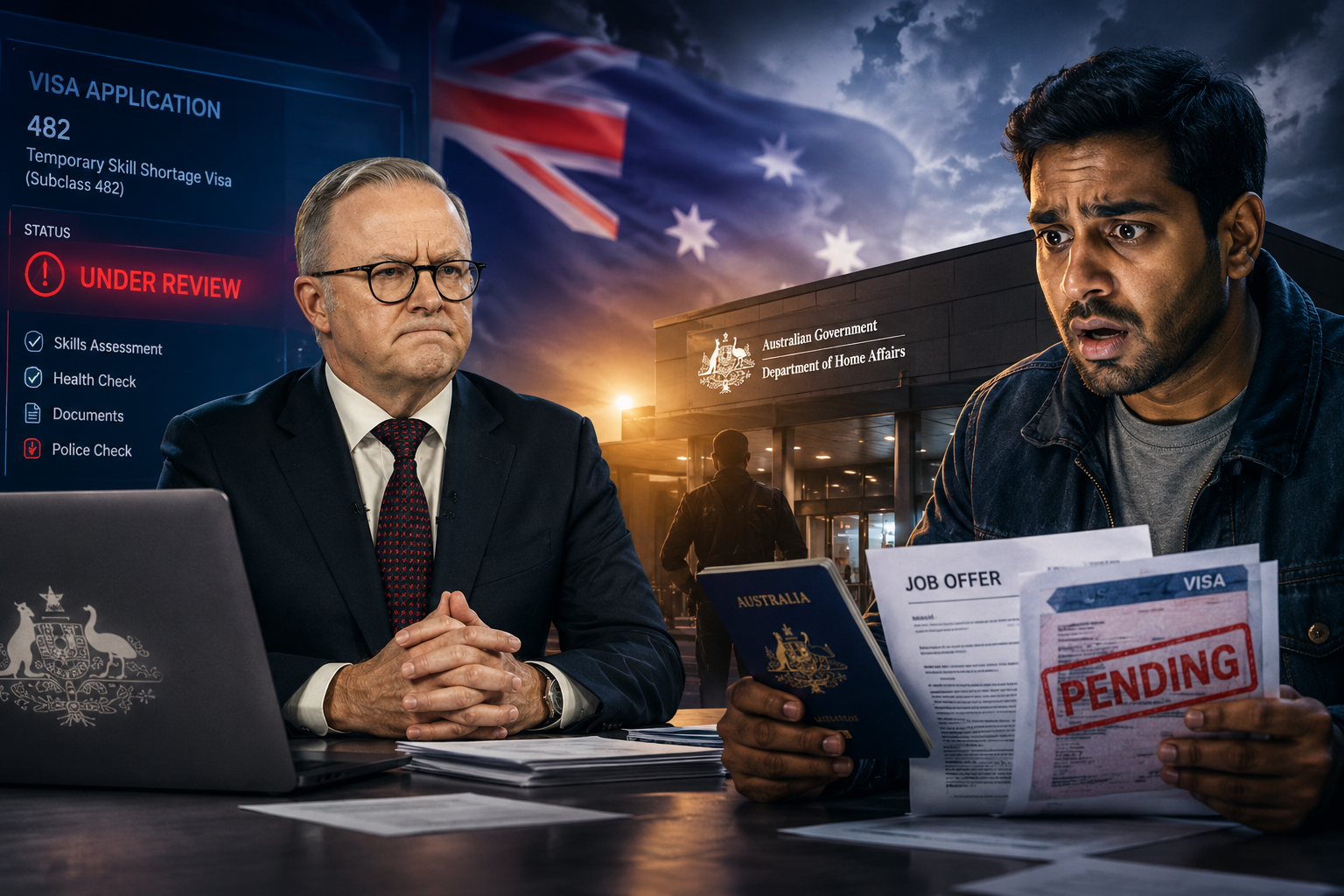
Until May 2025, students could submit visa applications with provisional letters of acceptance from universities. But effective June 1st, the Department of Home Affairs now requires all applicants to attach a valid Confirmation of Enrolment (COE) when lodging their visa application. This measure aims to eliminate the loophole of forged or unverifiable intent to study.
According to Australian Government guidelines, no university-issued letter—even one from a Dean or Registrar—is acceptable in place of a COE.
What Is a COE and How to Get It?
A Confirmation of Enrolment is an official document issued by an Australian educational institution, confirming that:
- Your admission is confirmed
- You have paid the required tuition fees
- You meet course prerequisites and conditions
To obtain a COE:
- Secure admission from a CRICOS-registered provider
- Pay the specified tuition fees (typically one semester to one year)
- Meet English and academic conditions outlined in your offer letter
Only then will your COE be generated and emailed to you for submission alongside your student visa application (subclass 500).
Consequences of Not Having a COE
Students applying without a COE will face automatic rejection. This policy also invalidates bridging visa eligibility in case your COE is delayed or rejected later. Once the COE is void, so is your visa—even if it has been approved.
This makes it critical for applicants to delay submission until the official COE is available, even if that means missing an intake. It’s better to defer than be denied.
Visa Fees Increase to AUD 2,000 from July 2025
The New Cost of Application
From July 1, 2025, the base student visa fee will increase to AUD 2,000—up from AUD 1,600 to 1,700. This fee is:
- Non-refundable
- Payable directly to the Department of Home Affairs
- Required at the time of application, regardless of the outcome
In Indian Rupees, this translates to over ₹1,00,000—before tuition, health insurance, or travel expenses.
As confirmed by Ministerial announcements, the fee hike is part of a broader effort to tighten immigration controls and deter non-genuine applications.
Why This Matters for You
Students from modest financial backgrounds now face a higher upfront burden. This could deter applicants unsure about their documentation, English scores, or COE status. Additionally, some specialized programs at top-tier institutions (e.g., Group of Eight universities) may trigger visa fees upwards of AUD 5,000—especially for dual-degree or medical programs.
Always verify the latest fee via your university’s international handbook or the official fee calculator before applying.
Onshore Visa Extensions and Conversions Now Restricted
No More Visa Hopping from Within Australia
In a drastic policy shift, students and temporary graduate visa holders (subclass 485) can no longer apply for further student visas or extensions while onshore. If your course is ending and you wish to enroll in another, you must:
- Exit Australia
- Apply for a new visa from your home country
- Wait for approval before returning
This ban applies even in emergencies like medical issues or academic deferrals.
The Australian Study Migration Policy Framework emphasizes “genuine temporary entrant” criteria, which this reform aims to enforce.
Implications for TR (485) to Student Transitions
Many graduates who opted for short-term diplomas post-graduation will now be impacted. If you completed a Master’s and want to pursue a PhD or another qualification, you’ll need to start afresh offshore.
This discourages system abuse, where students would remain indefinitely on successive study visas—a pattern that immigration authorities aim to curb.
Student Intake Cap Introduced, With Most Seats Reserved for Vocational Courses
Overview of the Cap
The government has imposed a cap of 270,000 international students per financial year. However, only 145,000 of those slots are reserved for university-level education. The remaining 95,000+ seats are designated for:
- TAFE institutes
- Vocational Education and Training (VET)
- Private registered training organizations (RTOs)
This split aims to balance the labor market by channelling more students into skill-based trades and vocational areas.
The Department of Education’s strategy confirms the quota and the reallocation of seats away from universities.
How It Affects University Applicants
If you’re eyeing a top Australian university for 2025–2026, timing is everything. Once a university’s COE quota is exhausted, no more admissions can be processed for that academic cycle—even if you meet all other criteria.
You should:
- Email your university’s international admissions office directly to confirm remaining slots
- Avoid relying solely on agents or third-party consultants
- Act early to avoid rolling waitlists or cutoffs
Failure to act swiftly could mean losing your spot to another applicant—even if you’re eligible and ready.
Stricter English Language Proficiency Benchmarks
What’s Changing in 2025?
Previously, a minimum IELTS score of 5.5 in each band was often sufficient. Now, with increased global competition, even 6.5 may not guarantee selection. Some courses now require:
- IELTS 7.0 overall (no band below 6.5)
- TOEFL iBT minimum of 100
- PTE Academic score of 65+
These benchmarks are becoming deciding factors not just at admission but at visa issuance, graduate employment, and PR stages.
Refer to IELTS Australia and Pearson PTE for up-to-date test requirements.
Language Scores Now Outweigh Academic Scores
In cases where 12th-grade or undergraduate scores are average (e.g., 50–60%), English test scores may carry more weight. This aligns with Australia’s migration objective: to admit students who can integrate academically and socially.
Applicants must also retake these exams:
- During Temporary Graduate visa (TR 485) stage
- At the PR stage (point-based system)
So, your initial language exam becomes a stepping stone to long-term migration, not just a visa.
Conclusion: What You Should Do Next
Australia’s 2025 student visa changes are significant, complex, and non-negotiable. Here’s how to proceed:
Do This:
- Wait for your official COE before applying
- Budget for AUD 2,000 visa fee (and possibly more)
- Prepare to apply offshore for future student visa extensions
- Verify COE caps and seat availability with your university
- Aim for higher English proficiency than the bare minimum
Avoid This:
- Relying on university-issued offer letters alone
- Applying before you have all financial and academic requirements ready
- Assuming leniency in language requirements or visa switching
If you’re planning to apply for the July 2025 intake or beyond, these are not minor updates—they are foundational changes. The difference between a successful application and a rejection could come down to following these five pillars closely.
FAQs related to the 2025 Australia student visa policy changes:
- Is a university-issued offer letter enough for my student visa application?
No. As of June 1, 2025, the Australian government no longer accepts university offer letters as proof of enrolment. You must obtain a Confirmation of Enrolment (COE) from your institution. Without this, your visa application will be automatically rejected, regardless of how prestigious your offer letter appears.
- What exactly is a COE, and how can I get one?
A Confirmation of Enrolment (COE) is an official document issued by a CRICOS-registered institution after:
- You’ve been accepted into a course
- You’ve met all academic and language requirements
- You’ve paid the required tuition fees
You’ll typically receive your COE after completing these steps, and it must be submitted with your visa application.
- Can I apply for a student visa if my COE is delayed or pending?
No. You must wait for your COE before lodging your application. Submitting a visa application with only a provisional or conditional offer will lead to rejection. Delays in obtaining your COE may require deferring your intake.
- What is the new visa application fee, and is it refundable?
From July 1, 2025, the Australian student visa (subclass 500) application fee is AUD 2,000. This fee is non-refundable, even if your visa is rejected. For certain top-tier programs, the fee may rise to AUD 5,000, depending on the course and institution.
- Can I extend or switch my student visa while I am in Australia?
No. Under the new policy, if you are onshore (within Australia) on a student visa or a temporary graduate visa (subclass 485), you cannot apply for a new student visa or extension from within the country. You must return home and apply offshore.
- How many international student seats are available each year now?
Australia has capped total international student enrolments to 270,000 per financial year, with only 145,000 seats allocated for universities. The remaining 95,000+ seats are designated for vocational and TAFE courses. Once your target university reaches its quota, no more COEs will be issued.
- What English test scores are now required for student visa approval?
English language benchmarks are now stricter. While it varies by institution and course, most now require:
- IELTS: 6.5 or higher (no band below 6.0)
- PTE Academic: 58–65
- TOEFL iBT: 90–100
Higher scores may be needed for graduate programs or if you plan to transition to PR later.
- Do 12th-grade or undergraduate marks matter for visa approval?
Academic performance does matter, but English language scores carry more weight in visa decisions. If your academic history is average but your English score is strong, you have better chances. Visa officers assess your ability to succeed in an English-speaking environment.
- What happens if I lodge my visa without meeting the new requirements?
Your application will be rejected without the opportunity to appeal based on missing documents such as COE or insufficient English scores. You also won’t receive a bridging visa, and any attempt to reapply must be done from outside Australia.
- How can I confirm if my university still has seats available under the COE cap?
Contact your university’s international admissions office directly. Ask:
- How many COE spots are still available?
- Whether your intake is still open for enrolment
- What the deadline is for COE issuance
Avoid relying solely on agents; official university communication is more reliable.