

Synopsis: This guide reveals five key ways to migrate to Australia in 2025: Working Holiday Subclass 462, Subclass 190/491 PR, the Skills in Demand visa, direct healthcare recruitment, and the India‑Australia Mitra Fellowship. Combining updated programs and expert insights, it equips skilled professionals with actionable steps to launch their Australian journey.
5 Powerful Pathways to Move to Australia in 2025: Work, Settle, and Thrive
Are you dreaming of relocating to Australia in 2025? You’re not alone. As Australia repositions itself as a top destination for skilled migrants, international graduates, and healthcare professionals, a surge of new immigration pathways are emerging. From the introduction of the new Skills in Demand visa to exclusive India-Australia fellowship opportunities, now is the time to act. According to the Australian Department of Home Affairs, these reforms are designed to attract global talent while protecting domestic interests—a delicate balance reshaped by years of labor shortages and evolving economic goals.
In this in-depth guide, we will explore five impactful ways to migrate to Australia in 2025. Whether you’re a healthcare worker, a young professional from India, or a skilled worker seeking permanent residency, this blog offers something for everyone.

1. Working Holiday Visa (Subclass 462): A New Opportunity for India, China, and Vietnam
What Is the Work and Holiday Visa Program?
The Working Holiday Maker (WHM) visa (Subclass 462) allows young nationals from eligible countries to live and work in Australia for up to 12 months, with the option to extend. While Canada and many European countries have enjoyed unrestricted access for years, India, China, and Vietnam are now newly included through a ballot-based entry system.
How the Ballot System Works for Indian Nationals
For Indian passport holders, the new MATES program (Mobility Arrangement for Talented Early-professionals Scheme) is game-changing. Beginning October 1, 2024, 1,000 Indian applicants aged between 18–30 will be selected annually through a digital ballot system. Selected candidates can then apply for a Work and Holiday visa that allows them to:
- Stay in Australia for 1 year
- Work for any employer
- Study short-term courses
- Apply for a second visa if eligible
Eligibility Checklist
To qualify, Indian applicants must:
- Be aged 18–30
- Have a valid Indian passport
- Hold a PAN card
- Pay a AUD $25 registration fee
- Apply through an ImmiAccount
This route is ideal for young professionals and recent graduates looking to gain international work experience in Australia without the complexities of employer sponsorship.
Pro Tip:
The ballot opens multiple times a year. Stay updated by monitoring the Working Holiday Maker program page.
2. Permanent Residency (Subclass 190/491): Australia’s Classic Path to Stay for Good
Understanding Skilled PR Visas: 190 vs. 491
Permanent Residency (PR) remains the gold standard for those wishing to settle permanently in Australia. The two most accessible pathways are:
- Subclass 190: Skilled Nominated Visa (state-nominated)
- Subclass 491: Skilled Work Regional Visa (provisional, regional-nominated)
Both require:
- A positive skills assessment from an authorized body
- An occupation listed on the Skilled Occupation List (SOL)
- A minimum number of points on the Australian points test
- English language proficiency
The Subclass 190 leads directly to PR, while the 491 requires three years of regional work before transitioning to PR.
What Are the Costs?
- Application Fee: AUD $4,640–5,000
- Health exams, PCCs, English tests: Additional AUD $1,000–2,000
- Processing Time: 6–18 months
While this route is more complex, it offers pathways to citizenship and the freedom to live and work anywhere in Australia.
Explore the Department of Home Affairs guide to Skilled Migration to understand your eligibility.
3. Skills in Demand (SID) Visa: The 2025 Game-Changer for Skilled Workers
What Is the SID Visa?
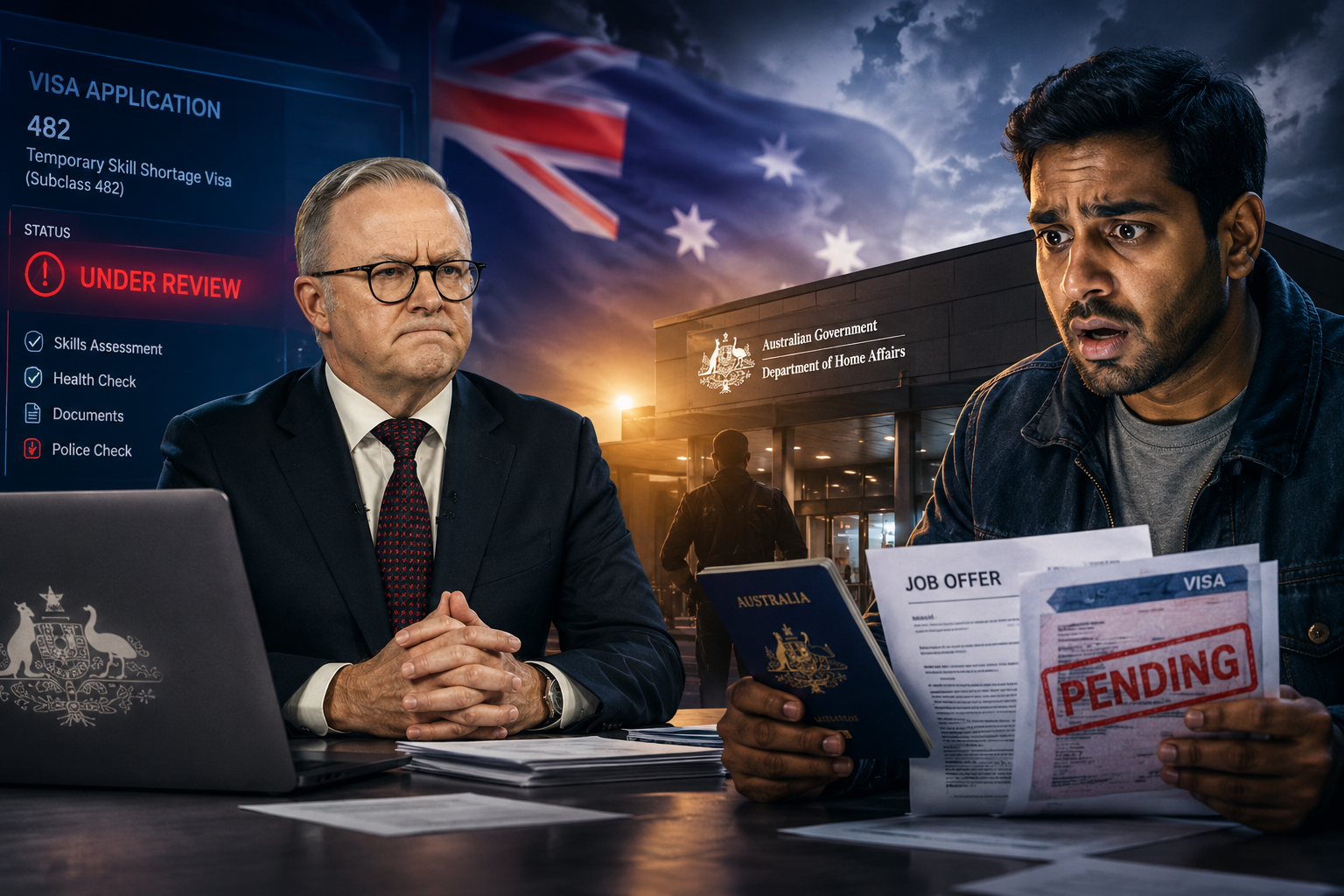
Announced in November 2023, the Skills in Demand (SID) visa will replace the existing subclass 482 Temporary Skill Shortage visa and restructure Australia’s employer-sponsored visa framework into three clear streams:
Specialist Skills Stream
- Minimum salary: AUD $135,000/year
- Fast-tracked processing for highly-paid professionals
Core Skills Stream
- Salary range: AUD $70,000–135,000/year
- Will cover the majority of skilled migrants
Essential Skills Stream
- For workers earning under AUD $70,000
- Restricted to essential sectors with stronger regulatory oversight
Why This Matters
Unlike the PR system, the SID visa is salary-based, not qualification-driven. This makes it easier for experienced professionals in diverse sectors to qualify—even without having Australian degrees or prior PR eligibility.
Supporting Reforms
The new system also introduces:
- A streamlined Labour Market Testing (LMT) process
- A new points system for employer nominations
- A centralized Jobs and Skills Australia agency to identify labor shortages
According to Australia’s official Migration Strategy, these reforms aim to make Australia’s visa system more responsive and globally competitive.
4. Direct Hiring for Healthcare Workers: A Golden Opportunity via Globy
Who Is This For?
Globy has secured direct recruitment contracts in the healthcare sector. This includes:
- Registered Nurses
- Occupational Therapists
- Special Support Workers
Eligibility Criteria
- 2+ years of experience
- English language certification (OET preferred)
- Professional resume and employment reference letters
- Uncollected (unprocessed) Australian nursing registration
Benefits of the Program
- Bridging visa issued in 3–6 months
- Pathway to permanent employer-sponsored visa (SID or equivalent)
- Family inclusion
- Employer-funded accommodation and relocation support
- OSCE (Objective Structured Clinical Examination) coaching and writing support
This model provides a structured transition from temporary employment to long-term PR in Australia—a compelling route for Indian and overseas healthcare professionals.
For more information on licensing and nursing migration, consult the Nursing and Midwifery Board of Australia.
5. Mitra Fellowships & Australia-India Centre: Government-Funded Migration for Thinkers
What Is the Centre for Australia-India Relations?
Launched recently and fully backed by the Australian government, the Centre for Australia-India Relations is designed to deepen strategic ties between both countries—through fellowships, policy exchanges, and research collaborations.
About the Mitra Fellowship Program
- Fully-funded research placement in Australia for 12 months
- Focused on public policy, international relations, trade, climate, and education
- Fellowship includes:
- Visa sponsorship (Subclass 408 – Temporary Activity visa)
- Monthly stipend
- Think-tank affiliation
- Two-way exchange: inward (India to Australia) and outward (Australia to India)
Eligibility and Timeline
- Must be an Indian national without PR in Australia
- Application deadline: November 25, 2024
- Results: Jan–Feb 2025
- Fellowship begins mid-2025
Applicants must apply via the official Mitra Fellowship Portal.
This rare academic route offers visa-backed relocation without needing employer sponsorship—perfect for researchers and policymakers.
Final Thoughts: Which Path Is Right for You?
Whether you’re a young Indian graduate, a seasoned healthcare professional, or a global policy expert, Australia’s immigration strategy in 2025 offers diverse, well-funded, and skill-driven pathways.
Here’s a quick breakdown to guide your decision:
|
Pathway |
Ideal For |
Key Requirement |
Visa Subclass |
|
Working Holiday (462) |
Youth (18–30) |
Ballot Selection |
462 |
|
Permanent Residency |
Skilled Workers |
Points & Skills Assessment |
190 / 491 |
|
SID Visa |
Salary-based Migrants |
Employer Job Offer |
TBD (Replacing 482) |
|
Direct Hiring |
Healthcare Professionals |
2+ Years Experience |
Bridging to SID |
|
Mitra Fellowship |
Policy Researchers |
Indian National + Research Proposal |
408 |
As new rounds of applications open and government reforms take effect, now is the best time to prepare your documents, consult a migration expert, or apply through verified channels.
Top FAQs on Moving to Australia in 2025
1. What is the Australia Working Holiday Visa for Indians and how does the ballot system work?
The Working Holiday Visa (subclass 462) for Indian nationals uses a ballot system selecting 1,000 applicants annually. Eligible candidates aged 18–30 register on ImmiAccount and, if selected, can live and work in Australia for 12 months without sponsorship.
2. Can I get Australian PR without a job offer in 2025?
Yes. You can apply via Skilled Independent (subclass 189), Skilled Nominated (190), or Regional (491) visas. These require a positive skills assessment, an occupation on the Skilled Occupation List, and sufficient points under the Australian points test.
3. What are the new Australia Skills in Demand Visa eligibility criteria?
The Skills in Demand Visa in 2025 has three tiers based on salary:
- Specialist stream: AUD $135,000+
- Core Skills: AUD $70,000–135,000
- Essential Skills: below AUD $70,000 (regulated sectors)
This visa replaces the TSS 482 stream.
4. How can healthcare workers apply for jobs in Australia directly from India or abroad?
Healthcare workers (nurses, occupational therapists, support workers) can apply through licensed agencies like Globy. They need 2+ years’ experience, English test results, and a valid resume. They receive a Bridging Visa first, then sponsorship.
5. Is it possible to bring family on Australia work or PR visas?
Yes. Most work visas (including SID and subclass 482) and PR visas (190/491) allow dependants—spouses and children—to accompany the primary applicant, with possible work and study rights.
6. What is the difference between subclass 190 and 491 PR visas in Australia?
Subclass 190 is a state-nominated PR visa allowing you to live anywhere in that state. Subclass 491 is provisional, requiring regional residence for 3 years before applying for PR.
7. Are there government-sponsored fellowships to move to Australia in 2025?
Yes. The Mitra Fellowship by the Centre for Australia-India Relations offers fully funded 12‑month policy fellowships in Australian think tanks. It includes visa sponsorship under subclass 408 and is open to Indian nationals without PR.
8. How much does it cost to move to Australia on PR or work visa in 2025?
Estimated costs:
- PR visa (190/491): AUD 5,000–6,500 total
- Work visa (SID): varies by tier
- Healthcare hiring: usually employer covered
Additional expenses include skill assessments, English tests, and health checks.
9. What are the top in-demand occupations in Australia for 2025 PR and work visas?
High-demand sectors include:
- Healthcare (nurses, aged care workers, therapists)
- IT (software developers, cybersecurity specialists)
- Engineering (civil, mechanical, electrical)
- Construction & trades
See the Australian Skilled Occupation List for full details.
10. How do I increase my chances of getting selected for the Australian Working Holiday visa?
Ensure your documents (passport, PAN card, email, payment) are ready before the ballot opens. Register early on ImmiAccount and follow Home Affairs updates as ballots may open multiple times annually.









One thought on “5 Powerful Pathways to Move to Australia in 2025”
Please can i also get a sponsorship to work in Australia? Please, i can work us house keeper, i can do house cleaning, i can work in wherehause, i can park fruit, i can sele in store and other things.