Synopsis: The UK government has suspended student visas for nationals from Afghanistan, Cameroon, Myanmar, and Sudan following rising asylum claims from individuals who originally entered on student visas. The move reflects broader immigration reforms aimed at tightening visa rules and controlling pressures on the UK asylum system.
Introduction
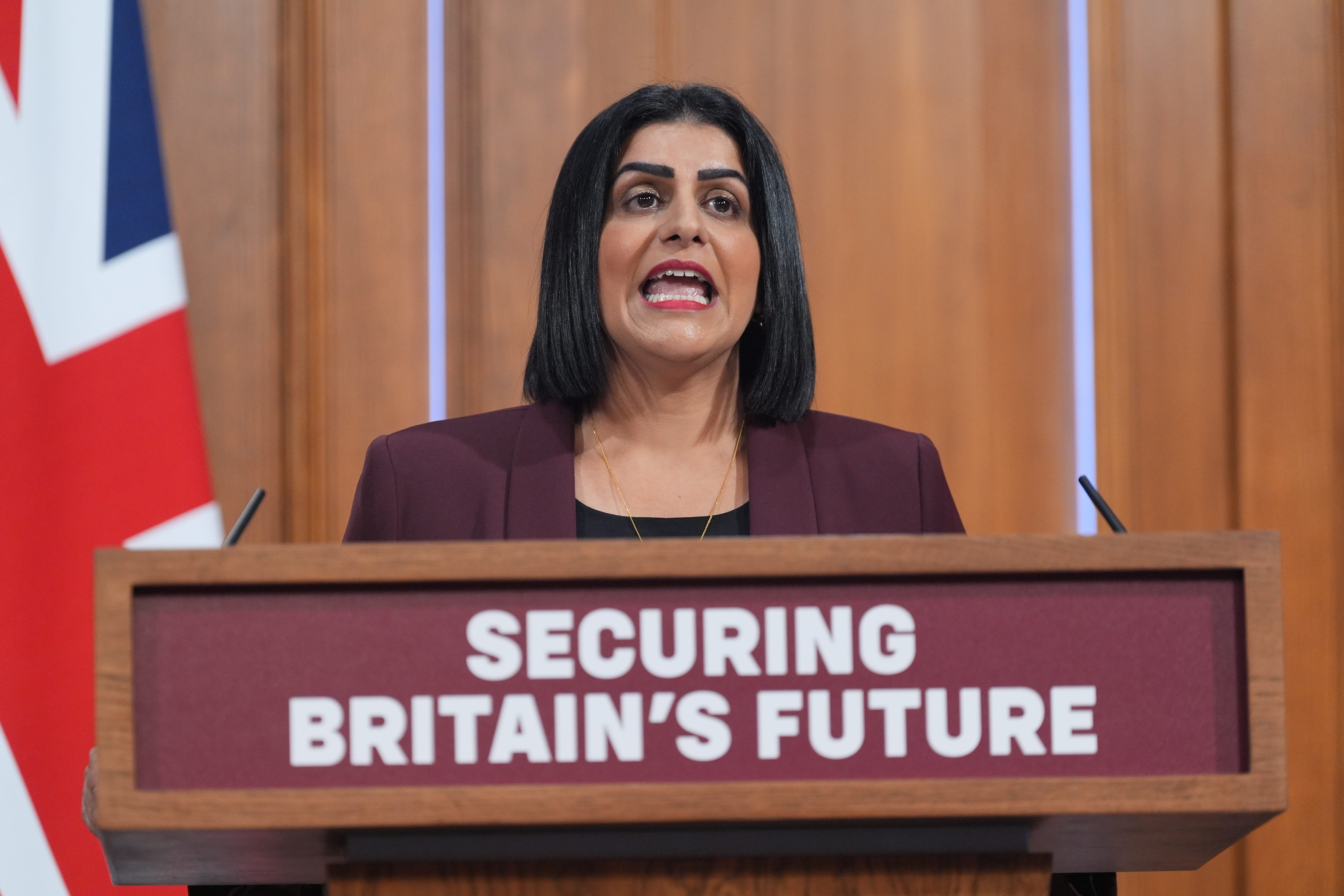
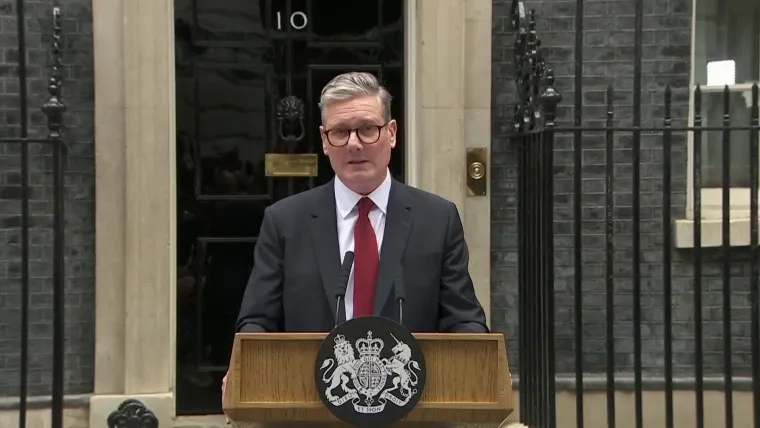
A major shift in the United Kingdom’s immigration policy has sent shockwaves through international student and migration communities. The UK government has temporarily halted certain visa applications from four countries amid concerns that legal migration routes—particularly student visas—are increasingly being used as pathways into the asylum system.
According to reports highlighted in BBC coverage of UK immigration policy developments, the government believes the rising number of asylum claims from individuals who initially entered the UK legally has placed growing pressure on the country’s asylum infrastructure. Officials argue that this trend risks undermining the purpose of student visas and has prompted urgent policy intervention.
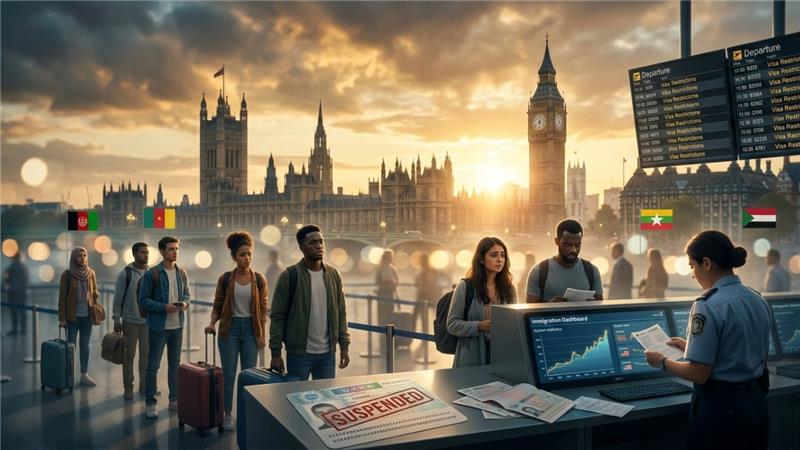
The suspension affects nationals from Afghanistan, Cameroon, Myanmar, and Sudan, who will temporarily face restrictions on applying for new UK student visas. In addition, Afghan nationals are also impacted by limits affecting some skilled worker visa pathways.
The announcement reflects a broader shift in the UK’s immigration strategy. Over the past several years, policymakers have introduced a series of reforms aimed at reducing migration numbers while maintaining controlled economic migration.
For international students, migrants, and immigration observers across the UK, Canada, Australia, and India, the development raises serious questions. Why were these particular countries targeted? What data led to this policy decision? And what does the future hold for UK immigration policy?
This article examines the visa suspension in depth, exploring the data behind the decision, its political context, and the wider implications for migrants and international education. 
Understanding the Policy/Event
The UK government’s decision to suspend visa applications from four countries represents one of the most notable immigration policy interventions in recent years. While the policy is currently described as temporary, its implications extend far beyond the immediate visa restrictions.
Under the new measures, nationals from Afghanistan, Cameroon, Myanmar, and Sudan will not be able to apply for new UK student visas for the time being. Authorities have stated that the decision was based on data showing unusually high rates of asylum applications from individuals who initially entered the UK on student visas.
The government’s position is that the student visa system is designed for education rather than asylum protection. When individuals arrive through study routes and later apply for asylum, officials believe the immigration framework may be vulnerable to misuse.
This perspective reflects the broader policy objective of maintaining clear boundaries between legal migration and humanitarian asylum pathways.
However, critics argue that the approach risks penalizing genuine students who wish to study in the UK and may also create diplomatic tensions with the affected countries.
Why It Is Happening
The policy decision is rooted in concerns about the rapid rise in asylum claims from individuals who originally entered the UK through legal visa routes.
Government data shows that asylum applications linked to student visa holders have increased dramatically in recent years. According to The Guardian’s immigration policy analysis, asylum claims from individuals entering the UK on study visas have more than tripled between 2021 and 2025.
This trend has alarmed policymakers for several reasons.
First, the asylum system in the UK is already facing significant processing backlogs. A surge in claims from individuals entering through legal visa routes adds additional pressure.
Second, the government fears that the perception of student visas as an alternative pathway into asylum could encourage further misuse of the system.
Third, immigration has become a highly sensitive political issue in the UK. Public debates about border control, asylum policy, and irregular migration have intensified in recent years.
For policymakers, addressing these concerns has become both a political and administrative priority.
Key Reforms or Changes
The visa suspension does not exist in isolation. Instead, it forms part of a broader package of immigration reforms introduced by the UK government over the past several years.
These reforms aim to reshape the country’s migration system by prioritizing skilled workers, controlling asylum claims, and tightening visa eligibility criteria.
Several major changes have already been introduced.
The government has raised salary thresholds for Skilled Worker visas in an effort to ensure migration focuses on higher-skilled roles.
English language requirements have also been strengthened to promote integration into the workforce and society.
Additionally, rules governing family migration and settlement pathways have been tightened.
The suspension of student visas for certain nationalities reflects the same broader strategy: reducing perceived misuse of immigration routes while maintaining selective migration opportunities.
Detailed Breakdown
The visa restrictions affect two primary categories of immigration.
Student visas
Nationals from Afghanistan, Cameroon, Myanmar, and Sudan are currently unable to submit new applications for UK study visas.
Officials argue that the decision was based on statistical evidence indicating a high rate of asylum applications among student visa holders from these countries.
Work visas
In addition to student visa restrictions, Afghan nationals are also facing limits affecting certain Skilled Worker visa applications.
Authorities say these measures were implemented after detailed analysis of asylum application trends and visa usage patterns.
Key indicators examined by policymakers included:
• Rates of asylum applications among student visa holders
• Trends in visa overstays
• Expired visas followed by asylum claims
• Pressure on asylum housing and support systems
While the restrictions are described as temporary, they signal a willingness by policymakers to introduce targeted visa limitations when statistical evidence suggests systemic misuse.
Data, Stats, and Trends
Immigration policy decisions are frequently shaped by statistical evidence, and the UK government has repeatedly emphasized that its actions are based on migration data rather than speculation.
Recent figures indicate significant increases in asylum claims from individuals who entered the UK through legal migration pathways.
According to UK Home Office migration statistics, asylum claims linked to student visa holders have increased sharply over the past several years.
This trend has become a major concern for policymakers attempting to maintain the integrity of the visa system.
What the Numbers Show
Several key statistics illustrate the scale of the issue.
• Asylum claims from individuals entering on student visas have more than tripled between 2021 and 2025
• Around 13 percent of asylum claims currently originate from people who arrived on student visas
• Approximately 16,000 individuals from the affected countries are currently receiving asylum support in the UK
Nationality-specific figures are even more striking.
For instance:
• Around 95 percent of Afghan nationals arriving on study visas since 2021 later applied for asylum
• Asylum claims from Myanmar nationals increased sixteenfold
• Applications from Cameroon and Sudan more than quadrupled
Meanwhile, broader migration data also highlights the scale of immigration flows into the UK.
According to Office for National Statistics migration data:
• Student visa entries exceeded 429,000 in 2025
• Work visas reached over 261,000
• Family visas totaled around 66,000
Irregular migration has also increased. More than 41,000 migrants crossed the English Channel in small boats in 2025—almost 5,000 more than the previous year.
These figures have played a central role in shaping the government’s migration strategy.
Impact Assessment
Immigration restrictions often produce complex consequences across multiple sectors.
For the UK government, the goal is to reduce asylum claims and restore confidence in the visa system. However, policies targeting student visas may also have significant economic and social effects.
The UK’s higher education sector relies heavily on international students. Tuition fees from overseas students contribute billions of pounds annually to university funding and local economies.
Reducing access for certain nationalities may therefore have broader financial implications.
Social, Economic, and Human Consequences
Several potential consequences may emerge from the visa suspension.
Impact on international students
Genuine students from the affected countries may lose opportunities to pursue higher education in the UK.
Impact on universities
Universities may experience reduced international enrollment, potentially affecting funding for research and academic programs.
Impact on migration routes
Restrictions on legal visa pathways could encourage some migrants to seek alternative routes, including irregular migration.
Impact on refugee protection
Human rights organizations argue that limiting visa access could reduce safe pathways for individuals fleeing conflict or persecution.
The UK government maintains that genuine refugees can still apply for protection through appropriate asylum channels or international resettlement programs coordinated with organizations such as the United Nations High Commissioner for Refugees.
Political Background & Stakeholder Reactions
Immigration has become one of the most politically sensitive issues in the United Kingdom.
Governments face competing pressures: controlling migration numbers while supporting economic growth and fulfilling humanitarian obligations.
Recent migration debates have intensified following increases in asylum claims and irregular migration across Europe.
Public opinion surveys frequently show immigration among the top concerns for voters.
This political environment has encouraged policymakers to adopt stronger border control measures.
Government, Opposition & Expert Opinions
Government perspective
Officials argue that the visa suspension protects the integrity of the immigration system and ensures student visas are used for their intended purpose.
Opposition perspective
Some political leaders warn that restricting visas could harm the UK’s reputation as an open destination for international students.
Academic and policy experts
Migration researchers emphasize the complexity of asylum trends and caution that restrictive policies may not address the underlying causes of migration.
Global Comparisons
The UK’s tightening immigration policy reflects a broader global trend.
Across Europe and other developed economies, governments are introducing stricter migration rules in response to rising asylum claims.
These measures include visa restrictions, offshore processing systems, and stronger border enforcement.
Where This Stands Internationally
Several countries have adopted similar approaches.
Denmark has implemented strict asylum policies designed to deter irregular migration.
Australia operates offshore asylum processing systems for migrants arriving by boat.
Canada and Germany continue to maintain controlled immigration programs while expanding refugee resettlement initiatives.
The UK’s policy therefore aligns with a wider global shift toward stricter migration governance.
Critical Analysis
Immigration policy reforms often spark intense debate because they involve competing priorities: humanitarian protection, economic needs, and border security.
The suspension of student visas for certain nationalities highlights these tensions.
Supporters argue that the measure protects the credibility of the visa system.
Critics warn that it risks damaging the UK’s international reputation and restricting legitimate educational opportunities.
Will It Work?
The effectiveness of the policy will depend on several factors.
Will asylum claims decline if student visa pathways are restricted?
Or will migrants simply shift toward other visa categories or irregular routes?
Several uncertainties remain.
• The long-term impact on asylum claim numbers
• The effect on international student enrollment
• The potential for diplomatic tensions with affected countries
Ultimately, immigration policy outcomes often depend on broader geopolitical and economic factors beyond the control of any single government.
Conclusion
The UK’s decision to suspend study visas for four countries marks a significant development in the country’s evolving immigration policy.
Driven by rising asylum claims and political pressure to tighten migration controls, the government has introduced targeted restrictions designed to protect the integrity of the visa system.
While supporters argue the policy is necessary to address misuse of legal migration pathways, critics warn it may harm international education and limit opportunities for genuine students.
As immigration debates continue across Europe and beyond, the UK’s latest move highlights the ongoing challenge of balancing border control, humanitarian responsibilities, and economic migration in an increasingly complex global landscape.