Synopsis: Following Prime Minister Keir Starmer’s resignation, UK visa applicants face a wave of political uncertainty. While regulations will not change overnight, this article outlines why you must ignore social media rumours and rely solely on official Home Office updates. Discover critical tips for students, workers, and employers to protect their applications through solid documentation and proactive compliance
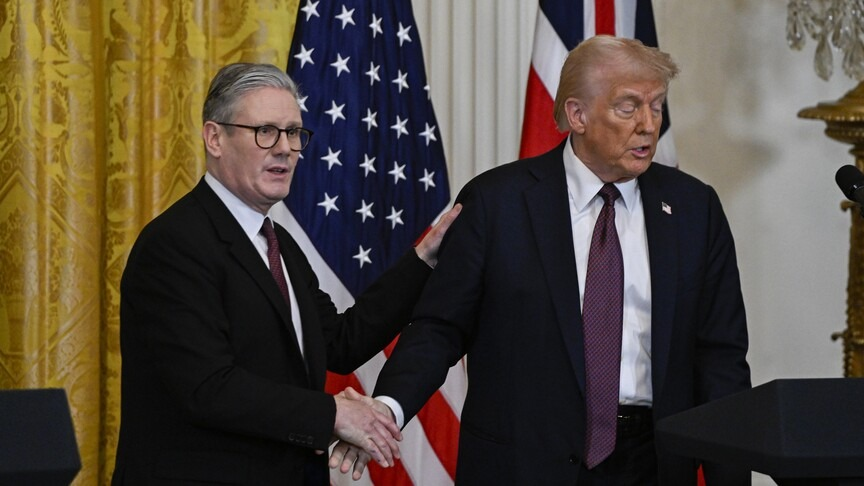
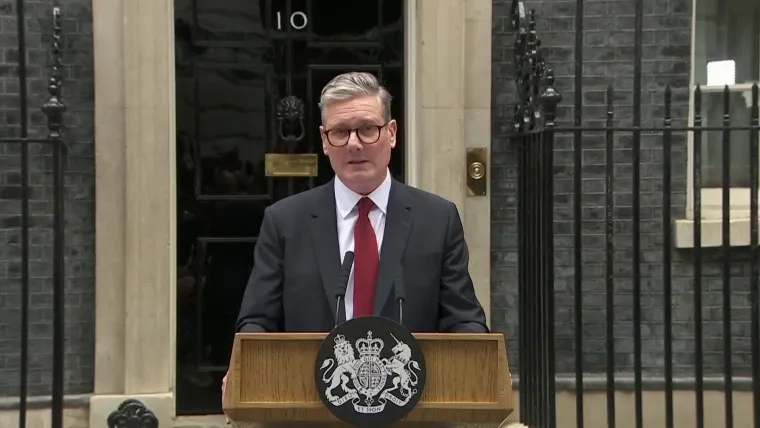
The resignation of UK Prime Minister Keir Starmer has ushered in another pivotal moment in British politics. Starmer was reported to have made the move after pressure from within the Labour Party, declining levels of public support and fears that his leadership was not strong enough to take Labour forward into the next general election.
This could be a Westminster leadership story for many. However, for migrants, international students, skilled workers, employers, and asylum seekers, the more important thing to ask is, ‘Will UK immigration policies change again?’
The simple answer is, most possibly, but not immediately. Resignations do not necessarily lead to the cancellation of visa routes or Home Office rules. But a new prime minister could alter priorities, ramp up enforcement, postpone reforms and add a more stringent political edge to migration.
Why Did Starmer Resign?
However, it was reported that the difficulties Starmer was facing had been caused by internal pressure from within Labour, policy frustrations and the growing political pressure from Reform UK. Andy Burnham has also been the subject of media speculation as a possible successor, with reports that Labour MPs are already beginning to turn their gaze to the next leadership.
His resignation came at a time when immigration was already a major political flash point. In 2025, the government led by Starmer unveiled plans to curb “uncontrolled migration” and tighten settlement rules by requiring individuals to “earn” the right to remain in the country. This indicates that immigration policy had already been shifting toward a more restrictive approach before the leadership crisis emerged.

How Could This Affect UK Immigration?
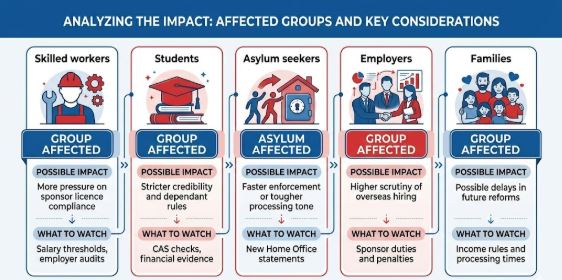
A new Labour leader might seek to demonstrate prompt authority over border management, visa limits, asylum regulations, and employer sponsorship. This doesn’t imply that all visa options will be terminated, but applicants should anticipate increased political activity and potentially stricter scrutiny.
What Happens Next?
The key point to grasp is that changes in immigration typically require official announcements, formal guidance from the Home Office, or legislative measures. Therefore, candidates don’t need to worry solely due to headlines.
But a change of leadership brings uncertainty. The government is likely to be quicker to push stricter immigration laws and restrictions on work visas if the next PM is looking to counter stronger opposition party messages on tougher immigration.
What Should Visa Applicants Do Now?
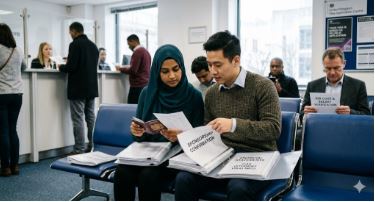
Do not wait unnecessarily when applying for a UK visa. Keep your documents complete, ensure sponsor paperwork is accurate, and maintain clear financial proof. Students need to review CAS information thoroughly. Experienced workers must verify their salary, job code, and sponsor licence status. Employers need to assess compliance prior to any Home Office audit.
The resignation of Starmer is a politically significant move, but your visa result will be based on the rules on the day you apply. So, the bottom line is, listen to official Home Office information, not viral information on social media.
Final Thoughts
The resignation of Starmer might signal the start of a more challenging immigration phase in the UK. The greatest threat isn’t immediate alterations in regulations, but rather unpredictability: postponed changes, increased scrutiny, and heightened stress on migrants and their sponsors.
This is a time to be vigilant, to plan ahead, to take a solid approach to any applications for study, work, settlement or protection in the UK. Change in political leadership can happen fast, but good documentation will be your best line of defence.