Synopsis: Labour’s 2025 immigration reforms warn international students they risk removal if they overstay visas. Aimed at cutting asylum backlogs and hotel housing costs, the measures seek to restore border control. Universities face recruitment challenges and must boost compliance support while students should track expiry dates and seek accredited legal advice.
A Defining Moment for UK Immigration Policy
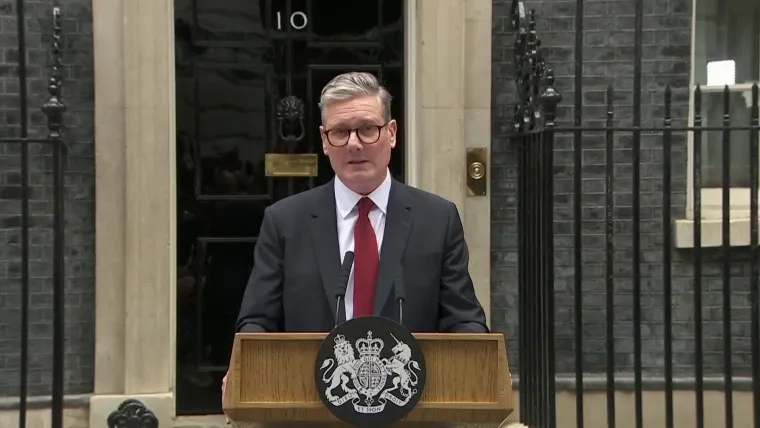
The United Kingdom has entered a new era of immigration enforcement under the Labour government led by Prime Minister Keir Starmer. In a decisive move, international students are being warned that they will be removed if they overstay their visas, a message that signals a stricter approach to border control. This shift comes at a time when the UK is grappling with a record backlog of asylum claims, a housing crisis exacerbated by the use of hotels for migrants, and rising political pressure to deliver results.
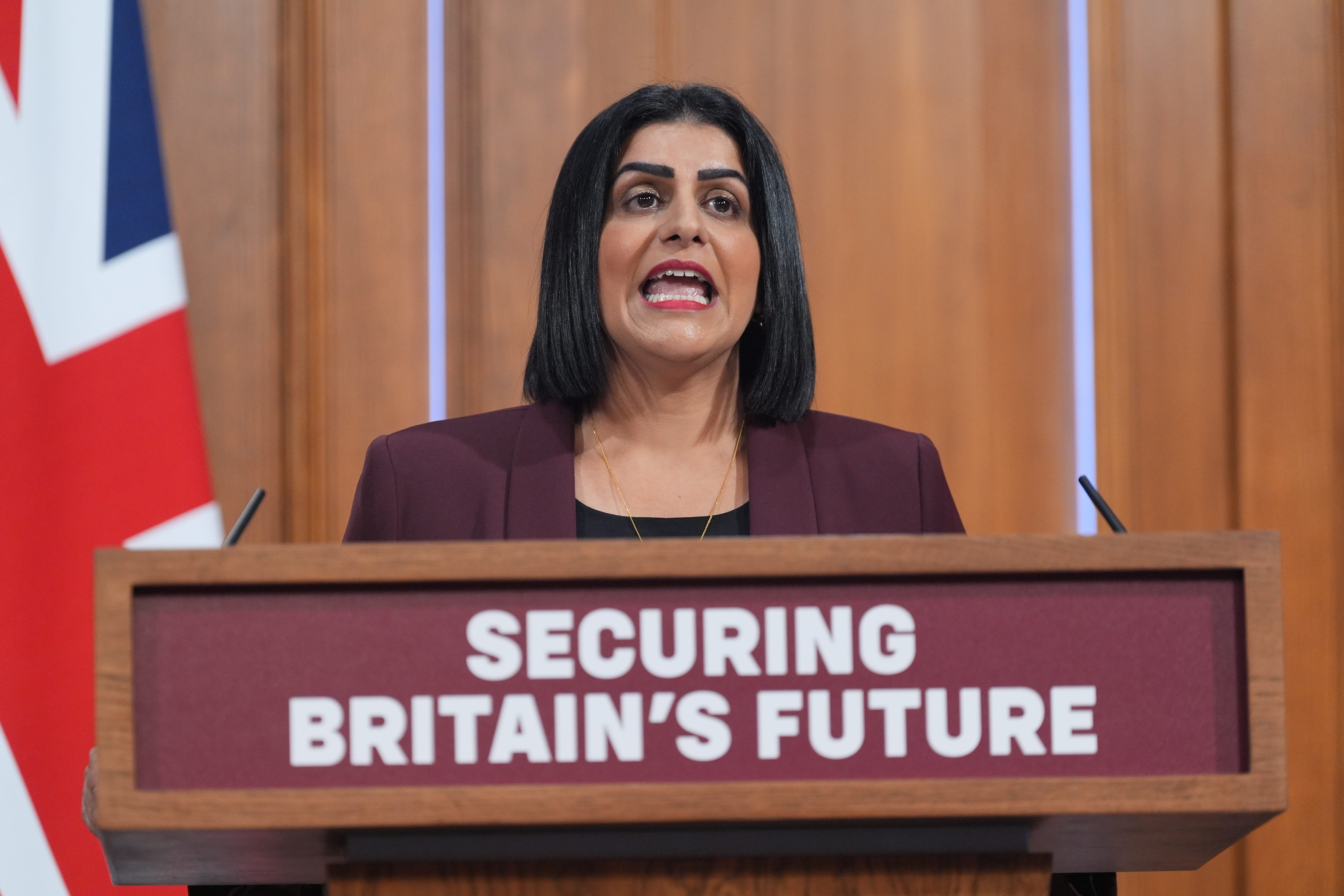
Speaking ahead of a recent cabinet meeting, Home Secretary Yvette Cooper emphasized that the government had inherited a “broken system” and needed to impose order. According to the UK Home Office official figures, as many as 15,000 students per year transition into the asylum system after their visas expire. This not only stretches resources but also undermines public confidence in immigration management.
The decision is more than a matter of administrative efficiency; it reflects the political urgency to demonstrate control over the immigration system, especially with Reform UK gaining momentum in opinion polls. Against this backdrop, the Labour government’s actions raise pressing questions: What does this mean for international students? How will universities respond? And what broader impact will this policy reset have on the UK’s reputation as a global education hub?
Topics Discussed
- The Scale of Visa Overstays Among International Students
- Why the UK Government is Acting Now
- The Link Between Asylum Pressures and Overstayed Student Visas
- Political Stakes for the Labour Government
- Potential Effects on UK Universities and Student Recruitment
- Comparisons with Global Student Visa Policies
- What International Students Need to Know to Stay Compliant

The Scale of Visa Overstays Among International Students
Numbers That Cannot Be Ignored
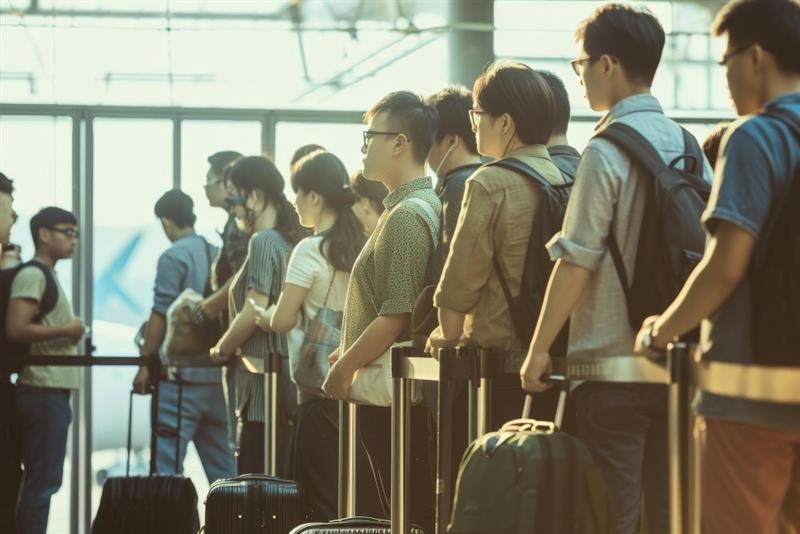
Each year, the Home Office identifies approximately 15,000 international students who overstay their visas and later seek asylum. While this represents a fraction of the 600,000+ international students in the UK, the impact is disproportionate. Overstays feed into asylum backlogs, distort migration statistics, and add to the financial burden of housing claimants.
Why Students Overstay
There are several reasons behind this trend:
- Fear of returning home: Some students come from countries with unstable political or economic conditions.
- Work opportunities: Many are tempted by unauthorized work, especially in sectors facing labor shortages.
- Lack of awareness: Some students genuinely misunderstand their visa expiry terms or believe post-study options exist when they do not.
- Legal loopholes: Until now, overstayers could enter the asylum system, prolonging their stay for years.
The government argues that closing these loopholes is necessary to prevent abuse and maintain fairness for genuine applicants.
Why the UK Government is Acting Now
Pressure from Public Opinion and Polls
The Labour Party is under mounting pressure to deliver on promises of border control. Reform UK has been gaining ground in opinion polls, capitalizing on public frustration with irregular migration and asylum hotel costs. Starmer’s government cannot afford to appear complacent.
Cabinet Dynamics and New Leadership
Recent reshuffles within Downing Street reflect the urgency of this reset. The appointment of Darren Jones as Chief Secretary to the Prime Minister, along with the addition of seasoned communications strategist Tim Allen, suggests that Labour is prioritizing messaging as much as policy. A government keen on delivery needs both systems and optics to align.
A Broader Policy Shakeup
The student visa clampdown is only part of a larger immigration strategy. Labour’s priorities also include:
- Fixing the NHS, by balancing migration needs with domestic training
- Raising living standards, ensuring migrants do not undercut wages
- Securing the UK’s borders, with tougher checks and removals
This aligns with Starmer’s own acknowledgment of frustration at the “pace of change.”
The Link Between Asylum Pressures and Overstayed Student Visas
Overstays Feeding the Asylum System
According to the Home Secretary, many students who overstay eventually apply for asylum, even when there are no significant changes in their home countries. This creates a cycle:
- Expired visas → Asylum claims → Prolonged stays in hotels → Higher costs for taxpayers.
The Hotel Crisis
The use of hotels to house asylum seekers has become a lightning rod for criticism. Local councils, already under budget strain, have voiced concerns. The Migration Observatory at Oxford University analysis shows how accommodation costs have escalated, fueling resentment in communities. By tightening student visa rules, the government hopes to reduce this pressure.
Political Stakes for the Labour Government
Starmer’s Reset Strategy
Keir Starmer faces a delicate balance: projecting compassion while reassuring the public of control. His government has struggled with perception issues, particularly after a summer marked by policy delays and leadership changes. By drawing a firm line on student overstays, Labour signals it is listening to voters.
Risks of Backlash
However, the risks are clear. Universities, business groups, and advocacy organizations may criticize the government for jeopardizing the UK’s attractiveness to global talent. Critics argue that treating international students primarily as immigration risks undermines the UK’s soft power.
Potential Effects on UK Universities and Student Recruitment
Dependence on International Fees
UK universities rely heavily on international students for revenue. The Higher Education Statistics Agency (HESA) data shows that overseas tuition fees contribute billions annually. A perception of hostility could lead students to choose competitor countries such as Canada, Australia, or Germany.
The Graduate Route Debate
The graduate route, which allows two years of post-study work, is also under scrutiny. If this pathway is restricted further, students may see little incentive to study in the UK, especially when other nations offer clearer post-graduation migration routes.
Student Welfare Concerns
Overzealous enforcement could also create anxiety among law-abiding students. Universities will likely increase compliance briefings, but the chilling effect on campus culture should not be underestimated.
Comparisons with Global Student Visa Policies
Canada
Canada maintains a generous post-study work program but has recently tightened English language requirements and imposed caps on new students.
Australia
Australia has doubled student visa fees and restricted onshore switching to asylum pathways. The Department of Home Affairs guidance highlights the government’s determination to prevent “visa hopping.”
United States
The U.S. enforces strict status compliance, with overstayers facing bans of up to 10 years.
By adopting similar measures, the UK is aligning itself with international trends, but risks losing competitiveness in the global education market.
What International Students Need to Know to Stay Compliant
Key Steps for Compliance
- Track visa expiry dates carefully
- Apply for extensions early if eligible
- Avoid unauthorized work that may breach conditions
- Consult university compliance officers for guidance
- Be cautious about asylum claims, as misuse could harm credibility
Seeking Legal Advice
Students unsure about their options should consult accredited advisers. The Office of the Immigration Services Commissioner (OISC) regulation framework ensures that only qualified professionals provide legal advice.
The Road Ahead for UK Immigration and Students
The Labour government’s decision to warn international students against overstaying their visas marks a turning point in UK immigration policy. With asylum pressures mounting and political rivals gaining traction, this clampdown is as much about credibility as it is about control.
For international students, the message is clear: compliance is non-negotiable. Universities, too, will need to adapt, balancing their financial models with stricter oversight of student behaviour. The UK risks losing ground in the global education market if enforcement measures overshadow its reputation as a welcoming destination.
Yet, if managed carefully, these reforms could restore public trust while preserving the country’s appeal. The next year will reveal whether Starmer’s government can strike that balance—or whether students and universities will seek friendlier shores.