Synopsis: This analysis examines the UK’s rapid surge of small-boat arrivals — 50,000 in 400 days — arguing that leadership failures, weak enforcement, and costly accommodation have eroded public trust. It evaluates international models, the One-In-One-Out scheme, and recommends decisive deterrence, fast returns, prosecutions, and transparent outcome reporting to restore control.
The Scale of the Crisis: 50,000 Migrants in 400 Days
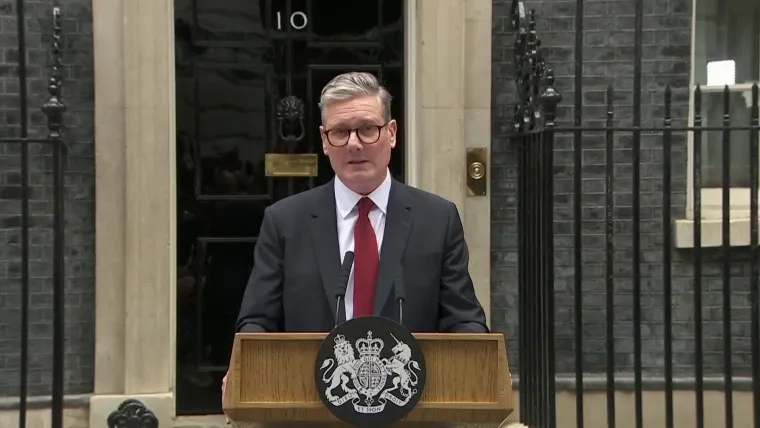
The UK’s small boat crisis has reached a symbolic — and politically toxic — milestone: 50,000 arrivals since Labour leader Keir Starmer took office. According to official Home Office statistics, these crossings are not only continuing but accelerating, with some days seeing one arrival every 11 minutes.
This is not a minor policy embarrassment. It is the clearest evidence yet that Britain’s border enforcement strategy is failing, despite repeated promises to “smash the gangs” and “stop the boats.” The milestone was reached in just over 400 days, making it one of the fastest surges in recent political memory.
With warmer weather conditions and calmer seas, crossings are expected to surge further in the coming months. Without immediate deterrent measures, the UK could see an additional 20,000–25,000 arrivals before year-end.

Border Force Leadership: Titles Without Tangible Results
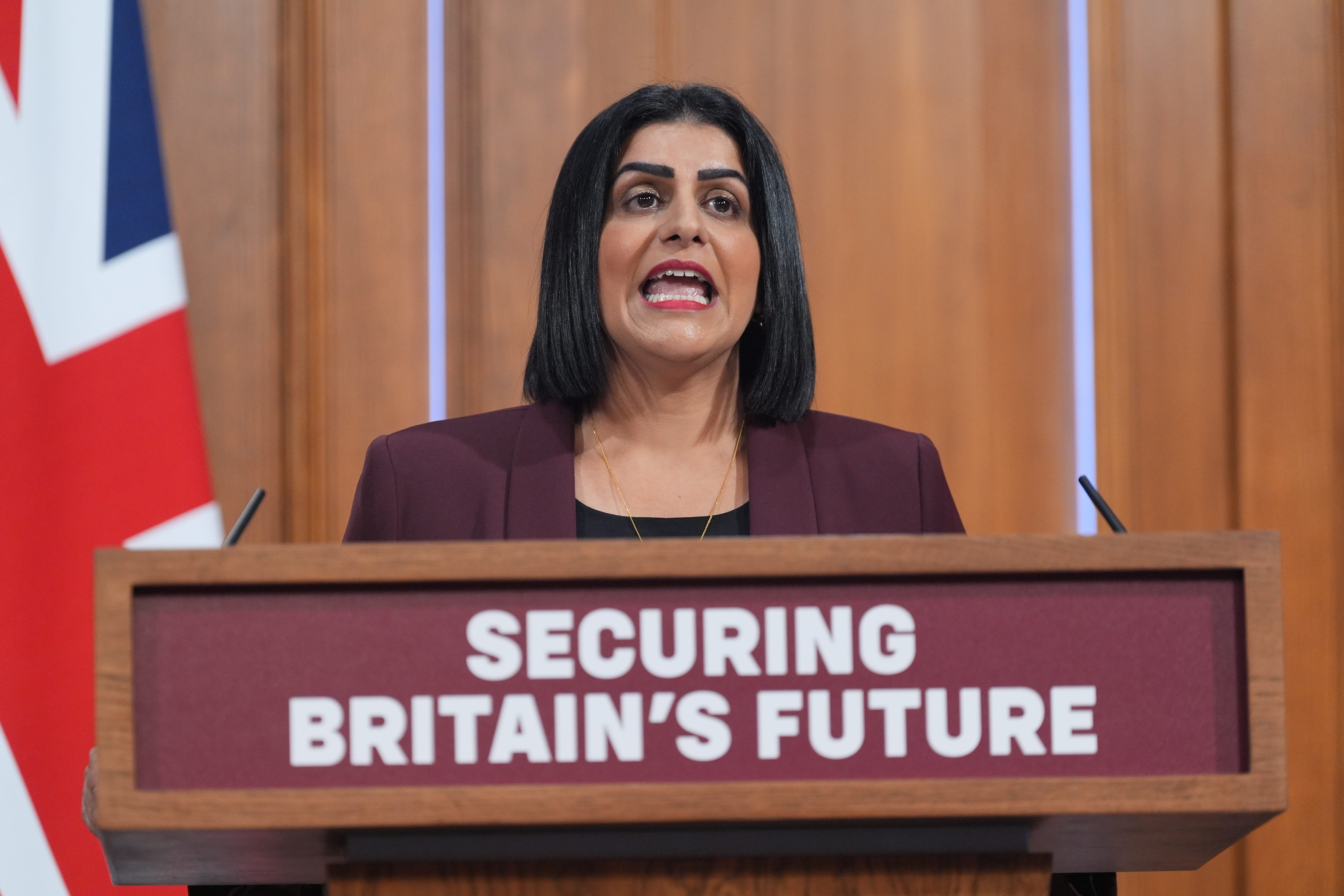
At the heart of the crisis is a sprawling network of agencies and officials — all with impressive titles, all well-compensated, yet unable to demonstrate measurable results. The Home Office recently showcased six senior figures, including:
- Martin Hewitt – Border Security Commander
- Duncan Caps – Small Boats Operational Command
- Kendall Barnett – Immigration Enforcement
- Phil Douglas – Director General of UK Border Force
- Rob Jones – National Crime Agency, Organised Immigration Crime
- Victoria Pullin – Home Office Intelligence
Each delivered carefully scripted statements about coordination, international partnerships, and long-term strategies. Yet none could answer the simplest question: How many boats have you stopped today?
This bureaucratic language, often derided as “word salad,” masks the absence of hard outcomes. While collaboration with European partners is important, these updates focus more on process than enforcement.
International Cooperation or Deflection?
Officials frequently highlight agreements with France, Germany, and the Netherlands, arguing that dismantling smuggling networks requires multi-national coordination. The National Crime Agency notes that organised immigration crime is “complex, transnational, and requires concurrent pressure” across jurisdictions (source).
But the public rightly questions why such cooperation appears to benefit other nations more than the UK. Despite payments to France exceeding £770 million in recent years to enhance patrols and prevent launches, small boat departures from northern French beaches remain routine.
Germany’s recent agreement to restrict the transit of small boat materials is welcome, but critics argue this is a supply-chain measure, not a frontline deterrent. Without immediate interdiction at sea and fast-track returns, these diplomatic wins are largely symbolic.
The One-In-One-Out Scheme: Flawed in Design
The much-publicised “One-In-One-Out” deal with France has been touted as a solution. Under the arrangement, for each irregular migrant returned to France, the UK will accept one legitimate asylum seeker from France.
On paper, this appears balanced. In practice, it’s a numbers game the UK cannot win. When 1,100 people land in Dover in five days, but only a handful are returned, the net intake remains overwhelmingly in the UK’s favour. Worse still, returns require individual processing, legal appeals, and agreement from the receiving state — processes that can drag on for months or years.
This is not deterrence; it is managed absorption of illegal entry.
The Local Authority Spending Controversy
The crisis isn’t confined to the Channel. Once migrants arrive, many are housed at taxpayer expense in hotels or multi-occupancy housing. As of March 2024, the Migration Observatory reported over 103,000 asylum seekers receiving accommodation support — 32,000 in hotels alone.
Even more controversial are local council schemes subsidising leisure activities for asylum seekers, such as discounted ice-skating passes in Oxford. While often well-intentioned, these gestures fuel public anger when core services like social care, youth programmes, and local business support face budget cuts.
When council leaders claim they are “cash-strapped” yet fund perks for individuals whose right to remain is unresolved, they risk further eroding public trust.
Public Perception: A Crisis of Confidence
Polling consistently shows that immigration is among the top three public concerns. Yet the public sees a government — and an opposition — more focused on optics than outcomes.
The spectacle of six high-ranking officials delivering jargon-filled briefings, without announcing a single new interception or deportation, reinforces the view that Britain’s immigration system is bureaucratically heavy but operationally weak.
The Home Office’s promise of “regular updates” has been undermined by silence on key detention and deportation figures. Days after high-profile arrests, there is often no public information on whether those detained have been removed from the country or released pending legal proceedings.
The Criminal Networks Behind the Crossings
The UK is not dealing with random opportunists but structured, profit-driven criminal networks. According to the National Crime Agency, certain ringleaders have moved thousands of migrants and tonnes of smuggling equipment through intricate European supply chains.
While the NCA’s Operation Punjum successfully targeted one such figure, the scale of these networks means arrests are often quickly offset by new actors stepping in. Europol and partner agencies in Germany, Belgium, and France may dismantle specific cells, but the high profitability of the trade ensures rapid reconstitution.
This “whack-a-mole” dynamic will continue unless the UK combines upstream disruption with immediate, visible consequences for those arriving illegally.
Economic and Social Strain
Illegal migration is not cost-neutral. Beyond the £3–4 billion annual asylum system budget, there are secondary costs:
- Housing support
- Healthcare access
- Education for dependent children
- Legal aid for appeals
- Security and policing in host communities
ONS data confirms that as of early 2024, the government is housing tens of thousands of asylum seekers in hotels at daily per-person costs that exceed the average British family’s rent.
When combined with a housing shortage, NHS waiting lists, and rising taxes, these expenses heighten the perception that the system rewards unlawful entry while British citizens face austerity.
Alternatives and Enforcement Models from Abroad
Other nations have demonstrated that decisive enforcement can reverse migration surges. For example:
- Australia’s Operation Sovereign Borders – A military-led approach that intercepts boats at sea and returns them to point of origin.
- US Federal-State Task Forces – Combining immigration enforcement with local policing to disrupt smuggling infrastructure domestically.
- Greece’s Maritime Pushbacks – Controversial but effective in reducing arrivals along key Aegean routes.
A similar UK strategy could involve military-assisted interdiction, offshore processing centres, and bilateral agreements for rapid returns within 48 hours of arrival — measures that go beyond rhetoric and reassert border sovereignty.
What Needs to Happen Next
The UK’s small boat crisis will not resolve itself through meetings, titles, or “strategic coordination.” The numbers are clear: without visible deterrence and swift removals, arrivals will continue to climb.
Key policy shifts should include:
- Immediate interdiction at sea and return to the nearest safe port.
- Fast-track deportations with no right to protracted appeals for illegal entrants.
- Suspension of non-essential benefits until legal status is confirmed.
- Public reporting of enforcement outcomes to restore confidence.
- Criminal prosecution of organisers and facilitators within UK jurisdiction.
The government must also acknowledge a blunt truth: One illegal arrival every 11 minutes is not border control; it is managed capitulation.
If the current trajectory holds, the UK could exceed 75,000 arrivals by the end of 2025, setting a new and grim benchmark for uncontrolled borders. The political cost will be severe — but the societal cost will be worse.
Without a decisive pivot from bureaucratic language to operational results, Britain’s immigration system risks losing not only control but also legitimacy in the eyes of its citizens.
Frequently Asked Questions (UK Small-Boat Crossings 2025)
1. What does “50,000 migrants in 400 days” actually mean for the UK in 2025?
It refers to an estimated cumulative number of small-boat arrivals since the current government took office, highlighting a persistent surge despite pledges to reduce crossings. It’s being used as a political and policy benchmark to judge whether current deterrence and enforcement measures are working.
2. Why are small-boat crossings across the English Channel increasing?
Multiple drivers converge: profitable smuggling networks, relatively low immediate removal risk, seasonal weather windows, and legal/processing bottlenecks once people land. Smugglers adapt quickly, shifting launch points and tactics whenever authorities tighten patrols or seize equipment.
3. What is the UK’s “one-in, one-out” scheme and why is it controversial?
It’s described as a returns-and-resettlement balance: for each person returned to a partner country, the UK accepts one legal asylum transferee. Critics argue it doesn’t deter irregular arrivals because returns are few compared with arrivals, making the net inflow remain high.
4. Are small-boat arrivals automatically illegal under UK law?
Entering without permission is generally unlawful, but individuals may still claim asylum on arrival. Their claims must be assessed under domestic and international obligations. The legal status remains undecided until a claim (and any appeals) is resolved—often a lengthy process.
5. Why can’t the UK just “turn the boats back” at sea?
Pushbacks are constrained by maritime safety obligations, international law, and operational risk (unseaworthy dinghies, potential loss of life). Any maritime interdiction strategy must account for duty of care, coordination with nearby coastal states, and the nearest safe port rules.
6. How much do hotel placements and asylum support cost UK taxpayers?
Hotel accommodation is among the most expensive forms of interim housing. Costs include nightly rates, security, transport, healthcare access, and administration. While figures vary by contract and time period, the scale (tens of thousands housed) drives a multi-billion-pound annual bill.
7. What happens to seized dinghies and equipment used by smuggling gangs?
Confiscated vessels and gear are typically logged as evidence and, where lawful and practical, destroyed or disposed of after proceedings. However, fragmented supply chains mean seizures disrupt operations only temporarily unless paired with upstream arrests and asset seizures.
8. Why is international cooperation (France, Germany, Netherlands) not stopping the crossings?
Cooperation helps—e.g., tackling supply chains, transit routes, and facilitators—but results are uneven. Each state has its own legal framework, priorities, and resourcing. Without swift removals from the UK side and consistent upstream disruption, crossings persist despite joint efforts.
9. What enforcement models from abroad are often cited—and could they work in the UK?
Common references include Australia’s Operation Sovereign Borders (offshore processing, boat turn-backs) and tighter coastal interdiction in parts of the Mediterranean. Transplanting models isn’t straightforward due to geography, legal regimes, and human rights constraints, but elements—rapid decisions and removals—are frequently proposed.
10. What would a credible deterrence-led UK strategy look like in practice?
Key elements often proposed: [Content continuation needed if you’d like me to expand this section fully].
- Immediate maritime interdiction with safe, lawful returns.
- 48-hour processing pathways for manifestly unfounded claims.
- Fast, certain removals to safe third countries.
- Targeted prosecutions and asset freezes against facilitators in the UK.
- Transparent, weekly outcome reporting (arrivals, returns, removals) to rebuild public confidence.
- Occupational English Test (OET)