Synopsis: The Ontario college crisis encompasses a perfect storm—new PGWP rules, housing shortages, and exploitative diploma mills. Over 10,000 jobs cut and 600 programs shuttered expose how reliance on international tuition can backfire.
Ontario College Crisis: 10,000 Jobs Lost, 600 Programs Axed, and the Future of International Education in Jeopardy
Canada has long marketed itself as a global destination for quality education and inclusive growth. But that narrative is rapidly unraveling—especially in Ontario—where the consequences of unchecked international student enrolment, exploitative diploma mills, and shifting immigration policies are colliding. Over 10,000 staff have been laid off, more than 600 programs shuttered, and countless students left in limbo. The crisis is more than an institutional reckoning—it’s a cautionary tale about what happens when immigration and education are commodified for short-term gain. Immigration, Refugees and Citizenship Canada (IRCC) data and expert insights expose a breakdown decades in the making.

The Rise and Fall of Ontario’s Diploma Mills
What Are Diploma Mills and How Did They Flourish?
In the past decade, a growing number of private colleges in Ontario operated on a public-private partnership (PPP) model. These institutions aggressively recruited international students, often compromising on academic standards to chase profit. Diploma mills—colleges issuing degrees and diplomas with minimal quality assurance—offered admission with the implicit promise of a Canadian future: a degree, a post-graduation work permit (PGWP), and eventually, permanent residency.
Fueled by demand and government inaction, these diploma mills exploited gaps in immigration and education regulations. According to reports, Ontario’s colleges receive the lowest per-student government funding across Canada, pushing them to aggressively monetize international student admissions. Some colleges introduced evening and weekend programs simply to expand intake, stretching infrastructure and teaching staff beyond sustainable limits.
PGWP Policy Changes Exposed the Cracks
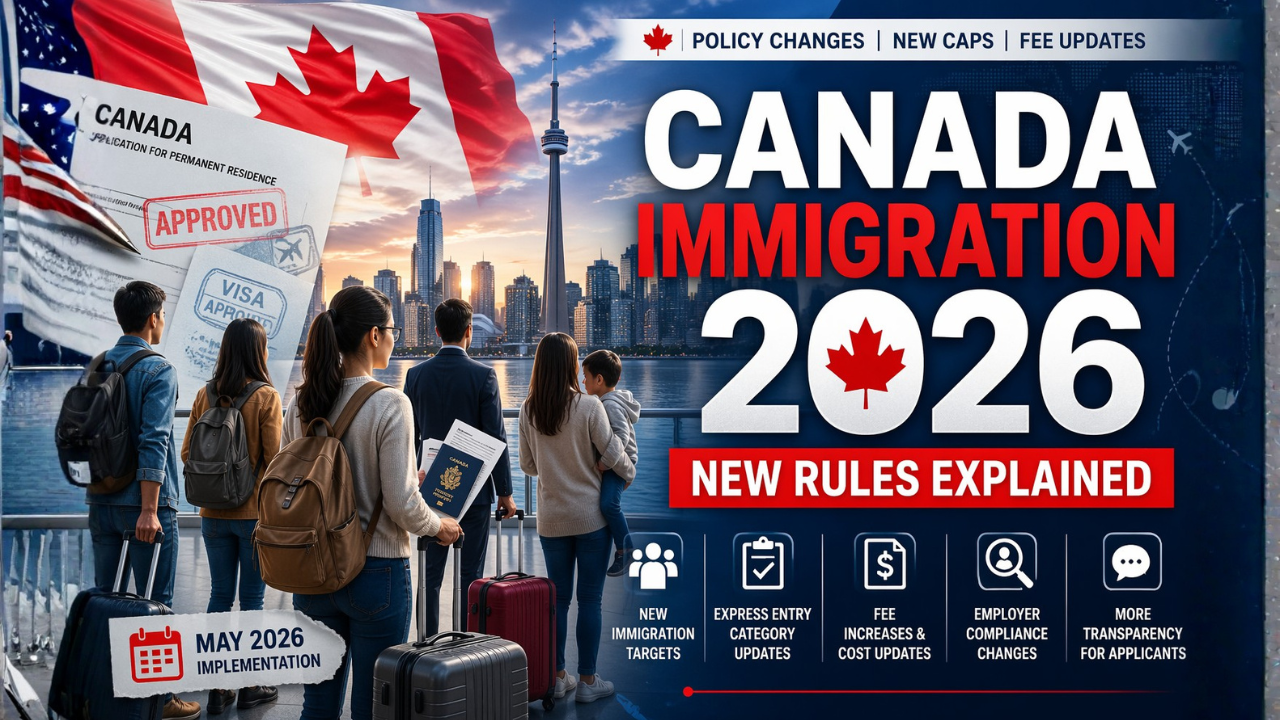
The real shake-up came in early 2024, when the Canadian government ruled that students graduating from PPP colleges would no longer be eligible for PGWP. This policy aimed to cut off the pipeline of under-regulated institutions profiting off international students’ immigration hopes. Moreover, the new policy limited PGWP eligibility only to specific academic programs aligned with labor market needs—a strategic move to prioritize skilled migrants over volume-based education export.
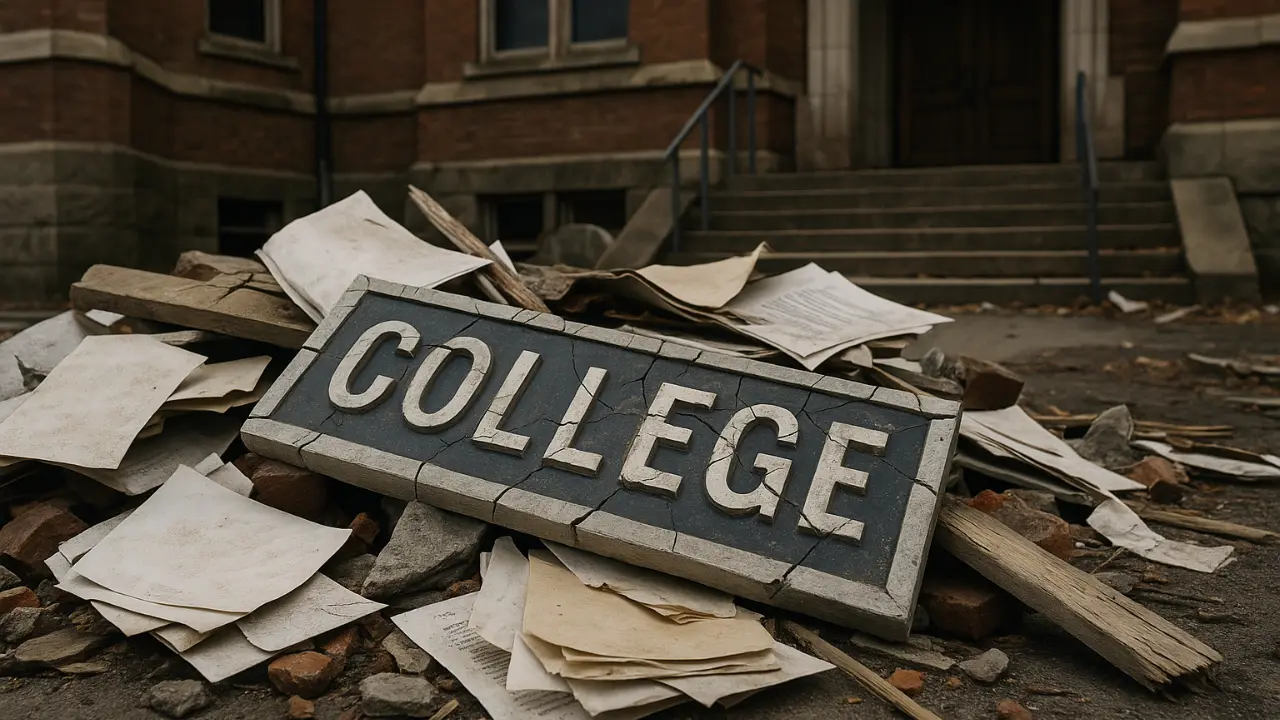
These reforms directly impacted colleges that thrived on offering short-term diplomas with loose academic value. When students stopped applying, the cash dried up. As of mid-2025, over 10,000 jobs—including professors, marketers, and admin staff—were slashed across Ontario’s post-secondary education sector.
600 Programs Cancelled: Why It Matters
The Economic Domino Effect
Program cancellations haven’t only hurt students; they’ve destabilized entire communities. Cities like Brampton, once vibrant with student-led economic activity, now face financial stagnation. The loss of revenue from international students—who contribute nearly $22 billion annually to the Canadian economy—has left colleges unable to pay utility bills, let alone salaries.
In response, the Ontario Public Service Employees Union (OPSEU) launched protests on July 9, demanding greater transparency and funding for public colleges. Their call? End the diploma mill culture and restore investment in quality education.
Statistics Canada highlights that international students contributed over $4.2 billion to Ontario’s GDP in 2021 alone.
Student Displacement and Uncertainty
For students enrolled in canceled programs, the future is unclear. Without transferable credits, many face starting over—often without the funds to do so. Those ineligible for PGWP now find their Canadian dreams stalled, unable to legally work post-graduation.
Institutions that once promised career-ready pathways are now ghost towns, with courses that never resume and staff who never return. The structural failures point to a deeper rot—one where education became a transactional ladder to residency rather than a system of skill-building.
Housing Crisis Amplified by Exploding Student Demand
International Students Fuel Ontario’s Housing Woes
The influx of international students exacerbated Canada’s already strained housing market. Ontario’s rental prices have skyrocketed, driven by demand from newcomers who often share rooms—or even sleep in cars—due to unaffordable housing. According to Canada Mortgage and Housing Corporation (CMHC), 62% of international students in Ontario now struggle to afford rent.
This demand spike has empowered exploitative landlords. With waiting lists stretching for blocks, tenants face overcharging, discrimination, and unsafe living conditions. Illegal basement units, overcrowded rentals, and substandard accommodation are now common realities for international students.
Rising Living Costs Push Students to the Brink
- Rent inflation has reached over 11% in urban Ontario since 2022
- Many students now work multiple jobs just to afford food and housing
- Safety is compromised as students opt for cheaper but riskier living options
The housing crisis isn’t isolated—it’s intertwined with student enrollment and institutional policy. A system that encourages mass international migration without infrastructure planning inevitably collapses under its own weight.
Job Market Realities: False Promises, Harsh Outcomes
A Shrinking Labour Market Meets Oversupplied Graduates
International students were sold a dream—graduate, find a job, and settle in Canada. But that dream is quickly fading. Amidst a slow economic recovery and tightening labor market, job opportunities are vanishing.
- Businesses facing bankruptcy are laying off instead of hiring
- Part-time work is scarce; students report searching 6–12 months for minimal-wage jobs
- Post-graduation roles are increasingly limited to high-demand, specialized fields
The reality? Many students graduate under-skilled from subpar institutions and struggle to compete in a market that demands more than a diploma. Canada’s Labour Force Survey for Q2 2025 shows youth unemployment in Ontario at a staggering 15.3%—much of it concentrated among recent international graduates.
Work Permits Without Work
Even those lucky enough to obtain a PGWP face bleak job prospects. Employers hesitate to invest in short-term workers, especially those with credentials from poorly reputed colleges. The mismatch between student expectations and employment realities deepens dissatisfaction and distrust.
This disconnect has drawn criticism from education advocates and former immigration minister Marc Miller, who once likened Ontario’s colleges to “puppy mills” treating students as cash cows.
A Broken System and a Wake-Up Call for Canada
Government Reforms: Too Little, Too Late?
The Trudeau government, recognizing the fallout, has moved to cap international student intake and increase the Guaranteed Investment Certificate (GIC) requirement to over CA$20,000 for 2025. The intention is clear—only serious, financially-prepared students should enter Canada.
While these measures may restore some equilibrium, they also restrict access for middle-class students from countries like India, Nigeria, and the Philippines. Meanwhile, institutions that once thrived on volume are collapsing, revealing their financial fragility.
International student enrollment in Ontario colleges has dropped by 48% year-on-year—a statistic that reflects not just regulation but reputational decline.
Read more from IRCC’s policy updates for 2025.
Civic Exams and Ethical Immigration?
There are growing calls for reform not only in education policy but also in immigration criteria. Proposals for civic knowledge exams and ethics-based evaluations aim to ensure that migrants contribute meaningfully to Canadian society—not merely survive within it.
Such ideas remain controversial, but they underscore one key truth: Canada must reassess what kind of immigrant economy it wishes to build. Unchecked entry without proper support breeds resentment, exploitation, and systemic failure.
What Future International Students Must Do Differently
1. Vet Colleges and Programs Thoroughly
Not all colleges are equal. Students must:
- Choose institutions with strong public reputations
- Verify program PGWP eligibility on the official DLI list
- Avoid overly flexible, weekend-only or night-only diplomas
2. Plan Finances with Realistic Expectations
- Tuition and living costs now exceed CA$40,000 per year
- Job markets are highly competitive and unpredictable
- Budgeting must include emergency funds and backup plans
3. Track Immigration Rule Changes Monthly
With eligibility rules changing frequently, keeping up to date with PGWP, PR pathways, and spouse visa requirements is vital. Subscribe to government alerts and consult with certified immigration consultants—preferably those listed on the College of Immigration and Citizenship Consultants (CICC).
Conclusion: Reform or Ruin?
Ontario’s college crisis isn’t just a bump in the road—it’s a systemic collapse years in the making. The exploitation of international students for revenue, combined with poor regulation and inadequate infrastructure, has left a trail of academic and economic wreckage.
For students, families, and policymakers, this is a wake-up call: the Canadian dream must be built on transparency, integrity, and sustainability—not quick profits and empty promises.
If Canada hopes to retain its reputation as a global education leader, it must fund its institutions properly, enforce academic standards, and protect its students—not just attract them.
FAQs: Ontario College Crisis & International Student Concerns
Why are Ontario colleges cancelling programs and laying off staff in 2025?
Ontario colleges are facing a major financial crisis due to a drastic drop in international student enrollment. This is a result of new Canadian immigration policies that restrict PGWP eligibility and cap student visas, leading to reduced revenue and the shutdown of over 600 programs and 10,000+ job cuts.
What are diploma mills, and why are they being shut down in Ontario?
Diploma mills are institutions that prioritize profit over education quality by admitting international students into low-value programs with limited academic support. The Canadian government has targeted these colleges by removing PGWP eligibility for many of their programs, effectively ending their business model.
Can international students still get a Post-Graduation Work Permit (PGWP) in Canada?
Yes, but only if they graduate from eligible programs at recognized Designated Learning Institutions (DLIs). As of 2025, students enrolled in public-private partnership colleges or non-eligible diploma programs are no longer eligible for a PGWP, as confirmed by IRCC.
How has the housing crisis affected international students in Ontario?
International students face skyrocketing rental costs, overcrowded living conditions, and housing exploitation. Many are forced to share cramped spaces or even sleep in vehicles due to a lack of affordable housing and high demand in cities like Toronto and Brampton.
What should students look for when choosing a college in Canada in 2025?
Students should verify PGWP eligibility, check DLI status, review academic reputation, and avoid colleges offering unusually flexible or evening-only programs. Always cross-check programs on the official DLI list.
Is studying in Canada still worth it for international students in 2025?
It depends on the program, institution, and long-term goals. While Canada still offers high-quality education, students must plan carefully due to rising tuition, living costs, and stricter immigration rules. Studying in high-demand fields at reputed institutions is essential for success.
What is the new GIC amount required for a Canadian student visa in 2025?
The Guaranteed Investment Certificate (GIC) amount required for study permit applicants increased in 2025 to over CA$20,000 to better reflect actual living expenses. This change aims to ensure students are financially prepared before arriving in Canada.
How many international students dropped out of Ontario colleges in 2025?
While exact figures vary, reports suggest international student enrollment in Ontario colleges dropped by approximately 48% compared to the previous year. This sharp decline is linked to immigration changes and reduced PGWP eligibility.
Are international students eligible for housing support or subsidies in Ontario?
Generally, international students are not eligible for government-subsidized housing in Ontario. They must rely on private rentals, which are often unaffordable or overcrowded. Students should budget thoroughly and explore community housing resources before arrival.
What happens if your college program in Ontario is cancelled after enrollment?
If a program is cancelled mid-term, students may be offered alternative options, refunds, or transfers, depending on the college’s policies. However, immigration status may be affected if the program is no longer PGWP-eligible, so students must contact IRCC or a licensed consultant immediately.