Synopsis: The UK Home Office’s plan to use facial scanning AI for asylum-seeker age verification ahead of its 2027 rollout faces heavy criticism. While ministers argue that the technology protects children and eases border strain, critics warn of severe consequences from inherent tech flaws. This controversial intersection of AI and immigration policy highlights growing ethical concerns over automated decision-making for vulnerable groups.
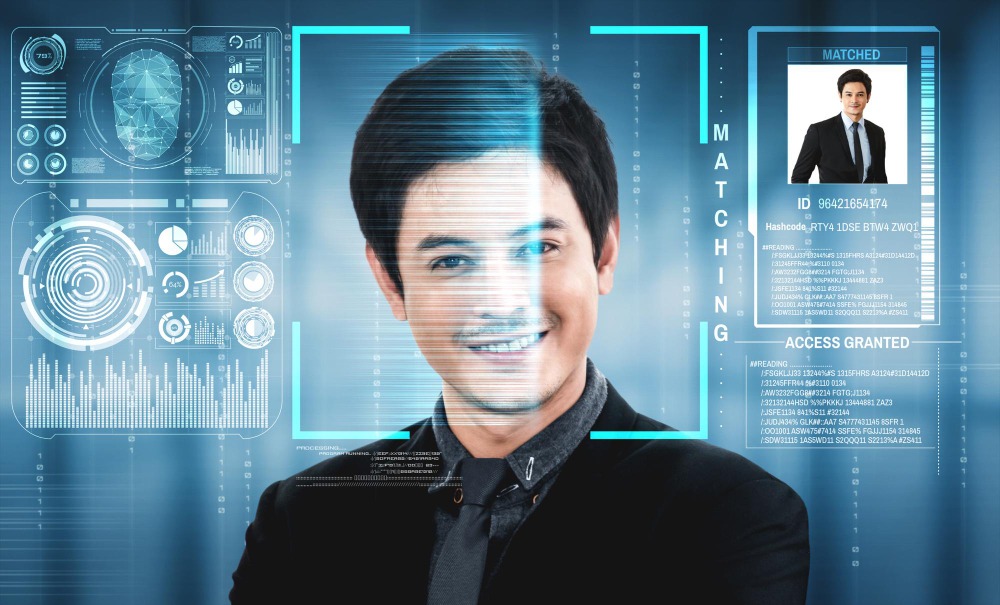
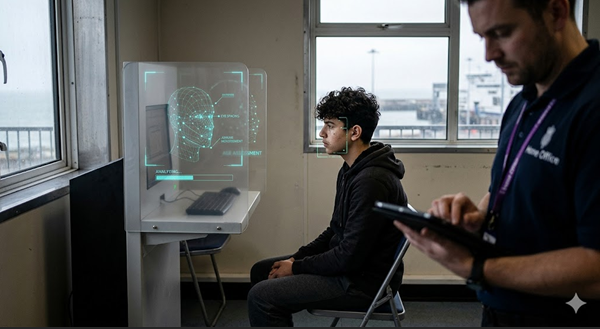
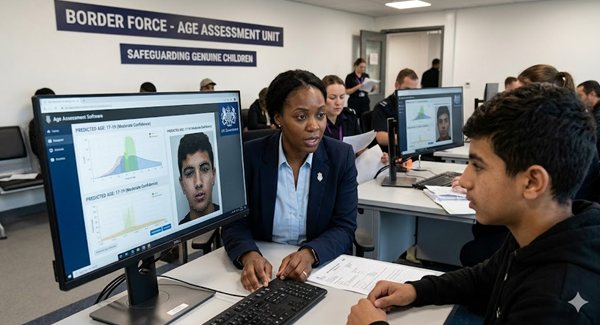
The UK Home Office is progressing with plans to introduce AI-based facial age estimation technology to assist in determining whether certain asylum seekers are children or adults. The system is designed to analyse facial photographs and provide an estimated age within seconds.
According to the government, the goal is to prevent adults from pretending to be under 18 and getting into child protection systems. But human rights groups, refugee charities and social workers are concerned the technology could be used to make serious errors, and the implications could be life-changing for vulnerable youngsters. 
What is the UK Planning?
With the aid of AI software, the new plan enables the verification of some small-boat arrivals through facial images, which includes those who arrive at Dover.
Reportedly, Akhter Computers Ltd, along with German biometrics company Cognitec, was given a 3-year contract that was worth a whopping £322,000.
A complete rollout is scheduled for 2027, followed by additional testing. The government believes that this technology may serve as a fast and cost-efficient support tool for conducting age assessments.
Nevertheless, the main concern is not if the system operates quickly. The main issue is if it is precise enough for immigration choices related to children.
Why Age Checks Matter in UK Asylum Cases
A key element of the UK asylum system is age. When a person is recognised as a child, they may have access to safeguarding support, be accommodated in a child-friendly environment, access education and be protected from adult detention environments.
However, if a child is incorrectly classified as an adult, they may end up in adult accommodation, detention centres or other unsafe places. This is why campaigners say that even a minimal error rate can lead to serious consequences.
Quick Overview: What Could Change?
The Main Concerns About AI Face Scans
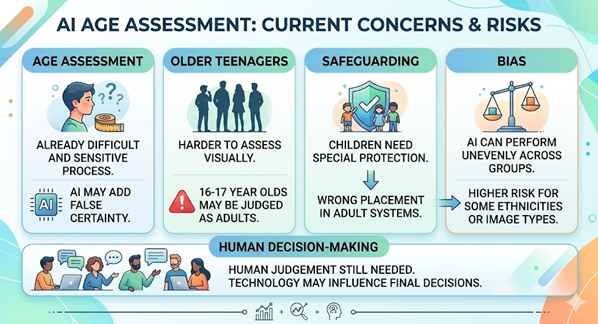
Growing concerns through leaked reports and various investigations suggest that in reality, facial age estimation won’t be reliable for asylum cases.
Factors such as poor image quality, stress, trauma, malnutrition, and differences in ethnic background can all influence how a person appears in a photograph.
One of the largest concerns is about older teenagers. After a difficult journey or traumatic events, a 17-year-old can physically look older. If the person is misclassified as an adult by AI, it might not be easy to correct the error.
Human rights groups also caution about the possibility of a “false sense of certainty” from technology.
Government’s Argument
The Home Office states that the system will assist in safeguarding genuine children by detecting adults who attempt to misuse it. Ministers also contend that inaccurate age claims can strain services intended for minors and potentially endanger children.
AI is not meant to replace human decision-making, the government has added. However, critics are concerned that if AI is used, officials’ decisions could be significantly affected by its output, particularly in quickly evolving border scenarios.
What This Means for UK Immigration Policy
This policy shows how the UK is increasingly turning to technology in immigration control. Supporters view AI as a quicker method for handling border pressure, while critics regard it as a risky experiment involving vulnerable individuals.
The actual question is, why is AI being used for age estimation when the outcomes of being wrong are so severe?
For asylum seekers, immigration lawyers, charities, and policymakers, this is likely to become one of the most contentious UK immigration issues ahead of the 2027 rollout.