Synopsis: Lena Diab’s appointment as Canada’s Immigration Minister by Prime Minister Mark Carney signals a potentially stabilizing era for immigration policy. With extensive experience at the provincial level, Diab enters at a time of operational strain and stakeholder frustration, tasked with reforming the IRCC and restoring Canada’s global immigration reputation.
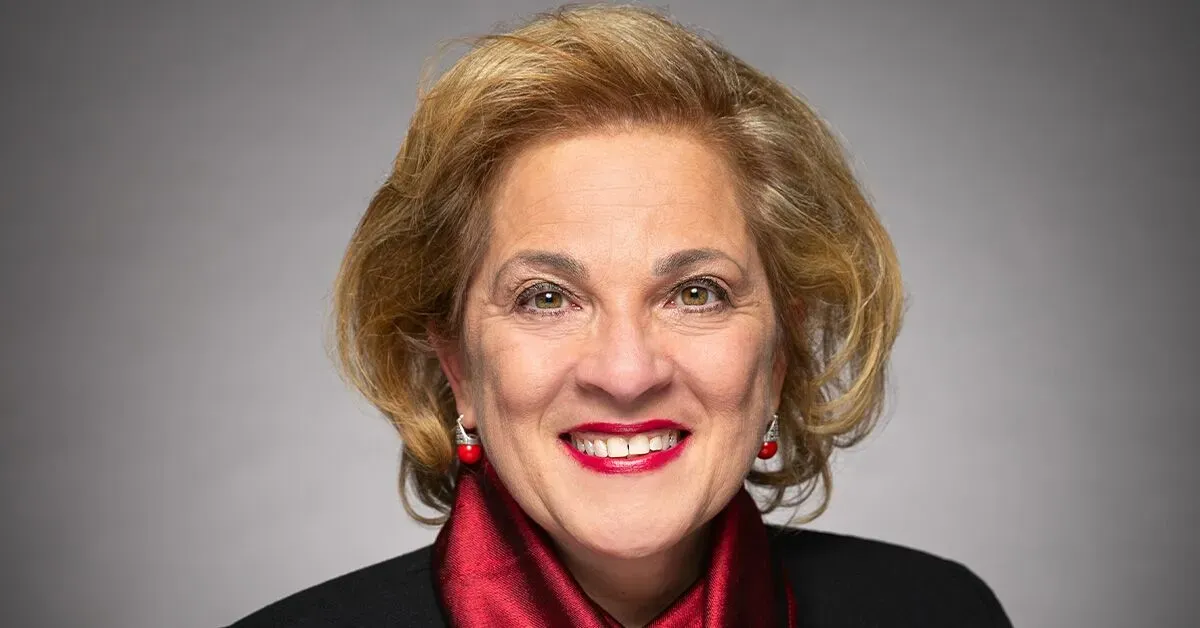
On May 13, 2025, Canadian Prime Minister Mark Carney unveiled his newly streamlined cabinet, appointing Lena Metlege Diab as the new Minister of Immigration, Refugees and Citizenship Canada (IRCC). Her appointment, widely welcomed by education leaders and immigration consultants alike, marks a strategic shift as Canada attempts to navigate one of the most turbulent periods in its immigration history.
Diab’s arrival comes at a time of operational chaos, political polarization, and global scrutiny, especially after a contentious 2024 that left Canada’s international education sector bruised and questioning its future. Her track record as Nova Scotia’s long-serving immigration minister from 2013 to 2021 and her deep roots in regional and francophone affairs have sparked cautious optimism across provinces and sectors.
This blog explores what Diab’s appointment means for IRCC reform, international students, Francophone immigration, and Canada’s long-term immigration strategy.

What Is the Policy/Issue?

Canada’s immigration system, once hailed as a model for the world, has faced mounting challenges:
- IRCC processing delays have left thousands in limbo.
- Post-secondary institutions saw damaging policy whiplash in 2024, with sudden caps on international student visas.
- Rising public skepticism about immigration levels has divided communities.
- Regional labour market gaps persist, particularly in Atlantic and Prairie provinces.
The problem isn’t just public trust. It’s structural fatigue. After years of shifting targets and short-lived ministers—most recently Rachel Bendayan for just two months—the need for consistent leadership became undeniable.
Diab’s appointment, alongside the consolidation of Carney’s 28-member cabinet (down from nearly 40 under Justin Trudeau), indicates a renewed focus on results-driven governance, particularly in immigration.
Why Now? (Causes, Pressures, Manifesto Pledges, etc.)
Public Demand for Stability
Following a record-breaking 2024, when Canada admitted over 1.2 million new residents (including temporary residents), calls grew louder for immigration reform. The former Liberal government faced criticism for overwhelming local services and failing to consult stakeholders before introducing sweeping changes.
Carney, newly elected after defeating the Conservatives in the 2025 federal election, vowed to stabilize immigration by prioritizing predictability, processing speed, and regional labor integration.
International Student Fallout
The 2024 crackdown on postgraduate work permits and study permit caps caused chaos for universities and prospective applicants. Stakeholders blamed the suddenness of decisions and absence of communication.
As Vinitha Gengatharan from Simon Fraser University put it:
“I hope [Diab] will take a more nuanced approach to the international student program, and I would encourage her to consult with the post-secondary sector directly.”
Atlantic Canada’s Influence
Diab’s tenure in Nova Scotia coincided with one of the province’s most successful immigration growth periods. Under her leadership, the Atlantic Immigration Program (AIP) became a permanent fixture of federal policy. Her appointment is a clear nod to the effectiveness of regional immigration strategies.
Who Will Be Affected?
International Students and Graduates
Diab will likely oversee reforms to the Post-Graduation Work Permit (PGWP) and the Graduate to PR pathways, both of which saw drastic revisions under her predecessors. With over 900,000 international students in Canada as of 2024, the stakes couldn’t be higher.
If she follows her consultative pattern from Nova Scotia, Diab may slow down the enforcement of policy caps and reengage institutions in visa planning.
Employers and Provincial Nominees
Business leaders and employers in agriculture, tech, and healthcare will watch Diab’s policy tone closely. She previously worked with employer groups to streamline the Nova Scotia Nominee Program (NSNP), and a similar approach could revive employer confidence in federal Express Entry draws.
Francophone and Minority Communities
Diab’s experience as Nova Scotia’s Minister for Acadian Affairs and the Francophonie suggests she will actively support Francophone immigration outside Quebec. With the federal government’s Francophone immigration strategy under pressure to meet targets, Diab’s presence signals increased investment in bilingual integration.
Expert Opinions (Legal, Economic, Educational, etc.)
Immigration Consultants
Matthew McDonald, an RCIC based in Halifax, remarked:
“I’m optimistic that, with her experience in Nova Scotia during a time of immigration growth, she has a strong potential to deliver.”
He pointed to her ability to balance public sentiment with economic realities, especially critical after recent backlash against high immigration numbers.
Academic Sector
Post-secondary leaders say Diab’s appointment presents an opportunity to rebuild “Brand Canada,” which took a hit after years of abrupt visa policy changes. As Universities Canada emphasized:
“Stable, transparent immigration rules are key to attracting global talent and maintaining Canada’s world-class research ecosystem.”
Media & Civil Society
Editorials from the Toronto Star and The Globe and Mail underline that while Diab’s appointment is promising, systemic change must follow.
International Comparison
Australia
Facing its own international education backlash, Australia doubled student visa fees and narrowed post-study work eligibility in 2024. Canadian institutions fear a similar spiral.
United Kingdom
The UK recently announced the reduction of its Graduate Route visa to 18 months, aligning with Diab’s likely review of Canada’s PGWP and post-study employment.
United States
Carney’s statement that the new Canadian government would seek to “define a new economic and security relationship with the United States” opens the door for bilateral talent mobility agreements, especially in tech and green energy—areas where immigration intersects with national policy.
Better Policy Alternatives
While Diab inherits a fractured system, stakeholders hope she avoids reactionary fixes and embraces balanced reforms:
- Introduce National Caps by Stream: Instead of blanket limits, use occupation-specific and provincial-level planning like Australia’s SkillSelect system.
- Consultative Education Reform: Collaborate with colleges and universities to co-develop a Tiered Institution Framework, ensuring high-quality schools aren’t penalized alongside bad actors.
- Fast-Track Francophone & Rural Immigration: Expand the Rural and Northern Immigration Pilot (RNIP) and designate more Welcoming Francophone Communities.
- Audit IRCC’s Digital Systems: Modernize and expand IRCC’s digital case processing infrastructure, especially for spousal sponsorships and Express Entry, which currently face months-long delays.
Key Takeaways
- Lena Diab becomes Canada’s Immigration Minister after Carney’s 2025 election victory.
- Diab brings eight years of provincial immigration experience, particularly with regional labor market programs and Francophone inclusion.
- Her leadership may stabilize a sector battered by student visa caps, public distrust, and IRCC backlogs.
- Stakeholders hope she ushers in a collaborative era of consultation, especially with post-secondary institutions and employers.
- Diab must also align immigration with Carney’s broader goals, including redefining Canada-U.S. trade and mobility cooperation.
Final Thought (Opinionated Wrap-Up)
In many ways, Lena Diab is the immigration minister Canada needs at this critical juncture—experienced, collaborative, and deeply attuned to regional dynamics. Her roots in Nova Scotia and her federal rise echo Canada’s story: a blend of multiculturalism, pragmatism, and policy complexity.
The real test, however, lies ahead.
If Diab succeeds in bridging Ottawa’s immigration vision with grassroots implementation—while bringing the education sector, employers, and communities back into dialogue—Canada may yet reclaim its role as a global leader in ethical, responsive migration.
But if missteps and miscommunication persist, she could become just another name in a long line of short-tenured ministers.
The clock is ticking—and this time, all eyes are watching.