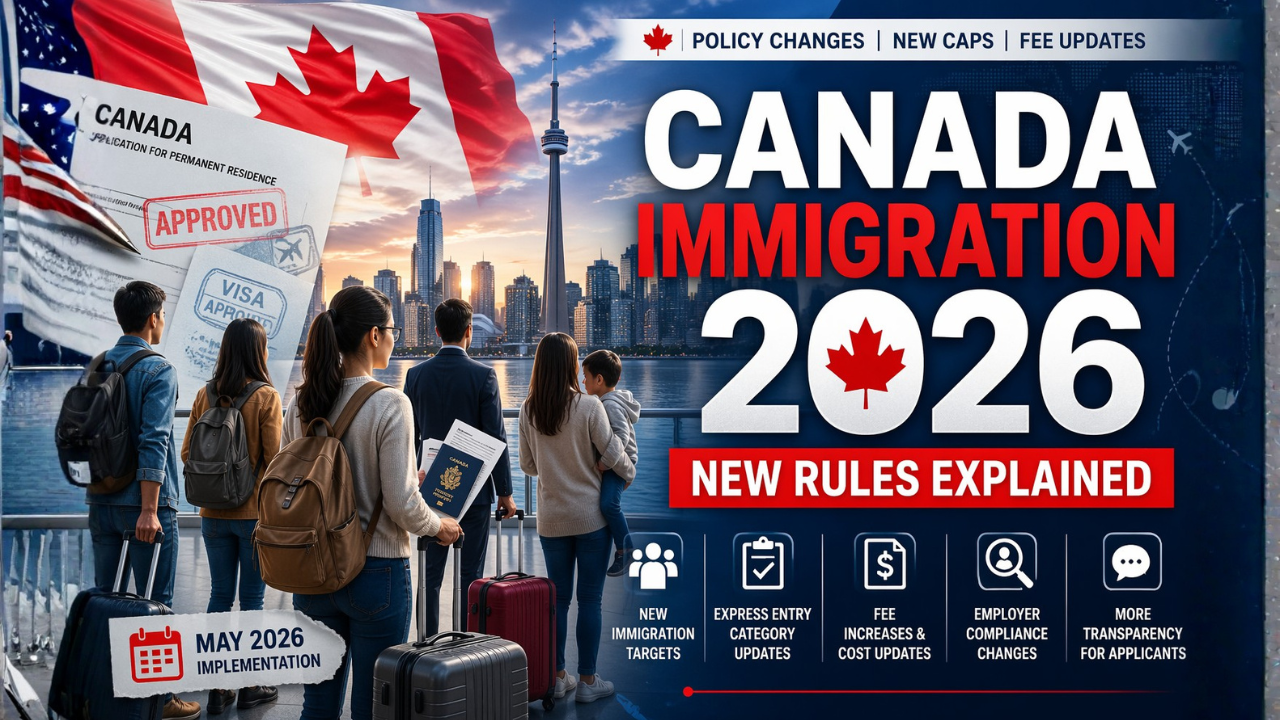
Synopsis: Canada’s tightened immigration policies result in unprecedented rejections of visitor, study, and work visa applications. New restrictions aim to control population growth and infrastructure stress, heavily impacting international students and temporary workers. Prospective migrants must now navigate stricter requirements, potentially reshaping Canada’s demographic and economic landscape significantly.
Planning to move to Canada? Think again—recent immigration policy shifts have led to the rejection of over 2 million temporary resident applications. As Canada tightens entry requirements, hopeful visitors, international students, and temporary workers face daunting new challenges.
Topics Discussed:
- Record-High Visa Rejection Numbers
- Why Canada is Reducing Temporary Residents
- Major Changes to the International Student Program
- Implications for the Canadian Economy

Record-High Visa Rejection Numbers
In 2024, Immigration, Refugees, and Citizenship Canada (IRCC) rejected approximately 2.36 million applications, including 1.95 million visitor visas, 290,317 study permits, and 115,549 work permits. This significant surge signals a stricter immigration approach aimed at tighter population control.
Why Canada is Reducing Temporary Residents
Post-pandemic population surges have increased pressure on Canada’s housing, healthcare, and social services. IRCC introduced stringent measures to curb overstays and misuse of visitor visas. The government is particularly focused on applicants who lack clear reasons for their visits, enforcing harsher scrutiny to maintain resource sustainability.
Major Changes to the International Student Program
The international student program faces intense reforms, including a 52% rejection rate for study permits. New measures involve financial security checks and stricter eligibility criteria. Additionally, IRCC implemented caps on international student numbers, causing applicants to reconsider Canadian institutions.
Implications for the Canadian Economy
Reducing temporary residents aims to ease infrastructure burdens, particularly in housing and healthcare, potentially decreasing waiting times. However, economic sectors reliant on foreign labor, such as healthcare, construction, and tourism, may suffer from reduced workforce availability, posing risks to economic stability.
Conclusion
Canada’s immigration policies are swiftly evolving, demanding careful attention and preparation from applicants. Understanding these changes is crucial for successfully navigating the stringent visa process and securing your place in Canada’s future.