Synopsis: This blog delves into Australia’s dramatic shift in immigration policy in 2025, exploring the deepening public discontent and the pressures on housing and infrastructure. It reflects on the historical context of Australian immigration and examines the potential long-term impacts of the current policy direction on the nation’s identity and societal coherence.
In recent years, Australia has been at the forefront of a contentious debate on immigration, with its policies undergoing drastic shifts that echo the nation’s historical complexities and current social challenges. As of 2025, the Australian government appears to be taking a harder line than ever before, prompting a re-evaluation of its immigration strategy amid growing public unrest and housing crises.
Topics Discussed:
- Public Perception and Policy Shift
- Impact of Immigration on Housing and Infrastructure
- Historical Context and Current Immigration Trends

Public Perception and Policy Shift
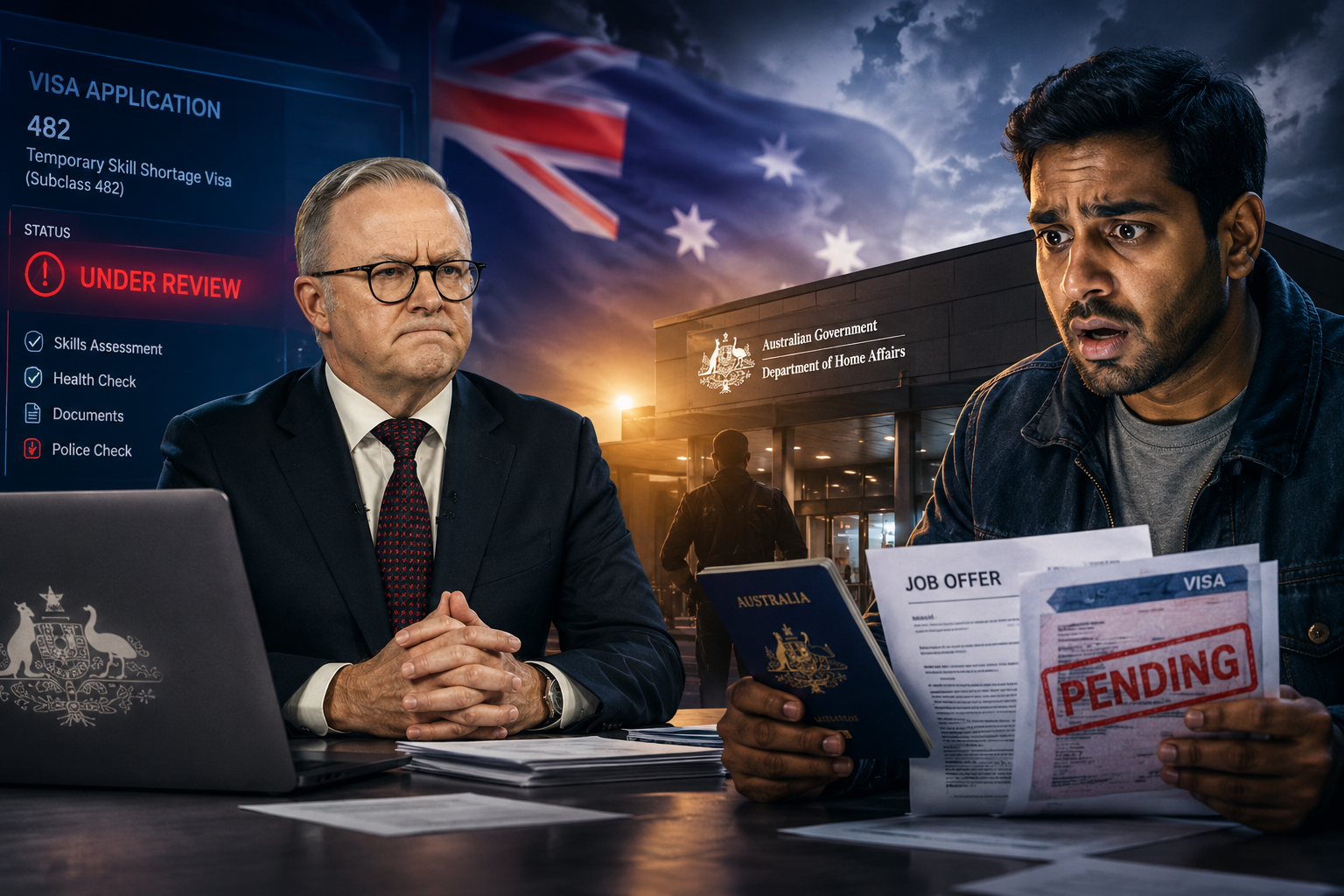
Australia’s immigration policy has become a polarizing issue, with a significant portion of the population viewing it as a detriment to their economic and social stability. This sentiment has led to increased support for stringent measures, including the potential deportation of asylum seekers, reflecting a stark transformation from Australia’s traditionally welcoming stance.
Impact of Immigration on Housing and Infrastructure
The influx of migrants has put an unprecedented strain on Australia’s housing market and infrastructure. With the government grappling to match immigration rates with housing availability, public frustration is mounting, driven by fears that the Australian dream of homeownership is slipping away for the native-born population.
Historical Context and Current Immigration Trends
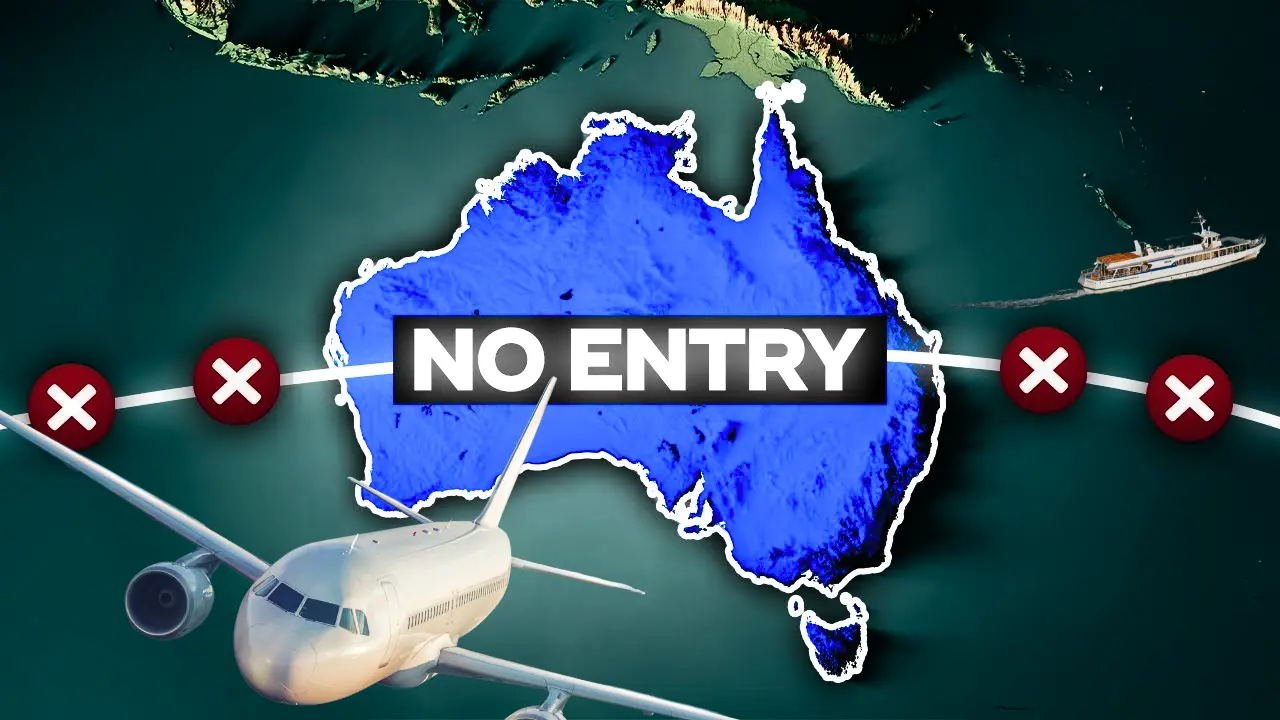
Reflecting on Australia’s immigration history reveals a cyclical pattern of openness followed by restriction, influenced by economic shifts and political pressures. The current crackdown can be seen as a repeat of past responses to similar challenges, with the government reasserting control over its borders to address modern-day concerns.
Conclusion
As Australia tightens its immigration policies, the nation stands at a crossroads between its identity as a diverse, welcoming society and the growing demands for stricter border control. How Australia navigates these turbulent waters will significantly shape its future, potentially altering its demographic landscape and international relations.