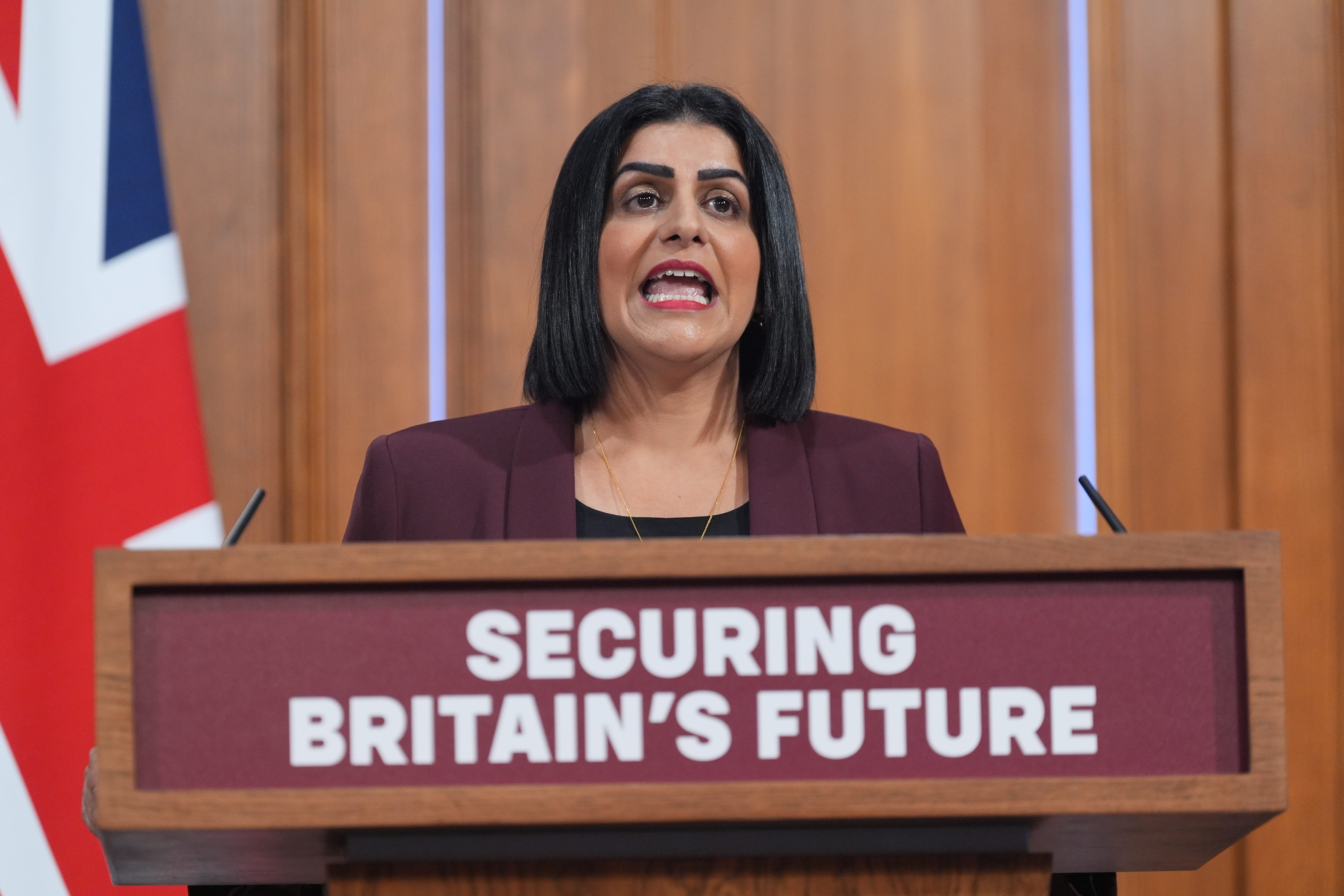
Synopsis: The UK immigration reforms 2025 mark a historic shift inspired by Denmark’s model. These changes will impact refugees, families, and visa holders, redefining routes to long-term settlement and integration across the UK.
Major UK Immigration Shift Ahead: Understanding the Proposed Reforms and Their Long-Term Impact
A Turning Point in UK Immigration Policy
The United Kingdom appears to be on the brink of a major structural shift in immigration policy—one that will influence refugee protections, integration requirements, family consolidation pathways, and long-term settlement rights. The Home Secretary has reportedly sent a policy team to Denmark to study how the Danish immigration model has successfully reduced long-term settlement while remaining compliant with international law. This move signals the government’s intention to introduce restrictions that align more closely with a temporary protection approach rather than guaranteed resettlement or permanent residence.
According to recent reporting and political statements, these reforms are expected to reshape the immigration landscape significantly and may affect both current residents and future migrants. For context, current guidance on asylum and residency can be found in official resources from the UK Home Office. The purpose of this article is to break down the proposed changes, the reasoning behind them, and the potential consequences for refugees, families, and long-term migrants.
The scale of the proposed reforms cannot be overstated. They touch on humanitarian norms, domestic employment sectors, education pipelines, and the moral-political debate over national identity and social responsibility. For individuals currently living in the UK or planning to migrate, understanding what is changing—and what remains uncertain—is critical.
Topics Covered in This Article
- The Danish Influence and UK Policy Direction
- Temporary Stay Model for Refugees and Asylum Seekers
- New Conditions for Family Reunification
- Removal and Deportation Changes Under Human Rights Compliance
- The Proposed Shift to a 10-Year Route for Indefinite Leave to Remain
- What Individuals Can Do Now

The Danish Influence and UK Policy Direction
Why Denmark?
Denmark has become a widely-cited example of a European country that has significantly reduced permanent settlement from asylum pathways while maintaining compliance with international human rights conventions. The Danish government’s approach focuses on temporary protection, mandatory integration benchmarks, and strict family reunification criteria.
A key feature of Denmark’s system is that individuals granted refugee protection do not automatically obtain a route to permanent residency. Their continued stay depends on demonstrating ongoing risk in their home country and meeting socio-economic integration requirements.
Research on Denmark’s migration framework, such as analyses published by the OECD Migration Studies, indicates that these reforms have lowered long-term settlement rates while increasing political consensus around control and compliance.
UK Government’s Interest
The UK government has stated that the goal is to:
- Reduce long-term settlement arising from asylum pathways
- Encourage economic self-sufficiency and integration
- Align immigration with nationally defined labor and population goals
- Maintain compliance with refugee conventions without guaranteeing permanent residence
The intention is not to dismantle asylum rights, but to redefine what protection means.
Temporary Stay Model for Refugees and Asylum Seekers
Current System
At present, individuals granted asylum in the UK generally receive permission to stay for five years, after which they may apply for Indefinite Leave to Remain (ILR). This serves as a structured route toward permanent residence and, eventually, citizenship.
Proposed Change
Under the proposed Danish-inspired model:
- Refugees will receive temporary protection, likely 1–3 years at a time.
- Permission to stay will be subject to review.
- If a refugee’s home country is deemed safe again, they may be required to return.
- Refugee status will no longer lead automatically to ILR.
This framework shifts asylum away from being a pathway to life-building in the UK and toward a conditional, temporary safeguard against immediate danger.
Key Implications
- Greater uncertainty for refugees regarding long-term stability
- Increased administrative review cycles and documentation requirements
- Emotional and social impact on families attempting to rebuild after conflict and displacement
- Heightened vulnerability for individuals in countries experiencing temporary but recurring instability
One of the most debated concerns is the impact on children growing up in prolonged uncertainty.
New Conditions for Family Reunification
Current Rule
Refugees can typically apply to bring close family members (spouse, children) to the UK relatively quickly after receiving status.
Proposed Rule
Family reunification will require:
- Proof of minimum income and financial independence
- Language proficiency demonstration
- Evidence of social integration, possibly including residency in specific local authority areas
- Possible minimum age requirements (modelled on Denmark’s age-24 rule before family sponsorship is permitted)
The Danish Immigration Service describes similar criteria in its family reunification system.
What This Means
Refugees will no longer have the assurance that family members can join them simply because asylum was granted. They must prove they are economically and socially stable before their family can enter.
This introduces:
- Longer family separation periods
- Higher stress and psychological strain
- Unequal outcomes based on job access, location, or educational background
Removal and Deportation Changes Under Human Rights Compliance
The Home Office is assessing how to accelerate removals of individuals whose asylum claims have ended or whose temporary protection is not renewed. This includes:
- Faster case processing across appeals and reviews
- Prioritizing removals when criminal offenses are involved
- Increased use of monitoring systems for individuals under review
However, removals must still comply with standards outlined by UK Parliamentary Human Rights Oversight, meaning deportations cannot violate fundamental legal protections.
The Proposed Shift to a 10-Year Route for Indefinite Leave to Remain
The Current System
Most work, skilled, and family visa applicants can reach ILR after 5 years, assuming they meet income, compliance, and residency criteria.
The Proposed Change
The government is reportedly preparing to extend ILR eligibility from 5 years to 10 years for most categories.
This would apply to:
- Skilled workers
- Family visa holders
- Refugees under potential future integration tracks
Official ILR guidance from the UK Visas and Immigration directorate outlines current rules.
Why This Shift Matters
A 10-year ILR route means:
- Higher long-term visa fees
- Repeated NHS surcharge payments
- Longer proof-of-residency documentation cycles
- Delayed citizenship eligibility
Key Unknown
Whether the rule will apply retrospectively (to those already in the UK) or prospectively (only to future applicants).
This is where political pressure may influence outcomes.
Political Divide and Public Debate
These proposed reforms have divided Parliament.
Arguments Supporting the Reforms
- Alignment with public sentiment on immigration control
- Reduced incentive for irregular migration
- Greater emphasis on self-sufficiency and integration
- Avoiding long-term asylum-based settlement by default
Arguments Opposing the Reforms
- Risk of undermining core humanitarian obligations
- Emotional and psychological harm to refugees in long-term precarity
- Increased administrative and operational burden on immigration services
- Potential erosion of multicultural and inclusive national identity
Some Labour MPs argue the reforms are too extreme, while others argue they do not go far enough.
This reflects deeper ideological conflict over:
- National identity
- Border responsibility
- International obligations
- Moral responsibility in global conflict and crisis
Implications for Current and Prospective Migrants
If You Are Already Living in the UK
- Monitor whether ILR rule changes will apply to your visa category.
- Keep documentation, residency proof, and work history organized.
- Consider contacting your local Member of Parliament to voice position.
If You Are Planning to Move to the UK Soon
- Expect:
- Longer timelines for settlement
- Stricter integration expectations
- Higher financial readiness requirements
For Employers
- More administrative tracking of employees’ visa status
- Potential shorter retention cycles
- Pressure to offer skills development and English language training
What Individuals Can Do Now
- Stay informed through official government briefings.
- Seek legal guidance early, not after policy shifts take effect.
- Document employment, community participation, and compliance consistently.
- Contact parliamentary representatives to give input before reforms are finalized.
Conclusion
The United Kingdom’s proposed immigration reforms represent a major turning point in how the country defines protection, integration, and long-term settlement. By adopting a model inspired by Denmark, the government aims to reduce automatic pathways to permanent residence and ensure that long-term settlement is based on contribution, stability, and societal integration. However, this comes with significant uncertainty and emotional strain for thousands of individuals and families.
In the coming months, key details will determine who is affected and how deeply. For those currently living in the UK or planning to migrate, understanding the implications and preparing documentation early is crucial.
Information remains your strongest tool. The policies may shift, but preparation and awareness can shape how they affect your future.