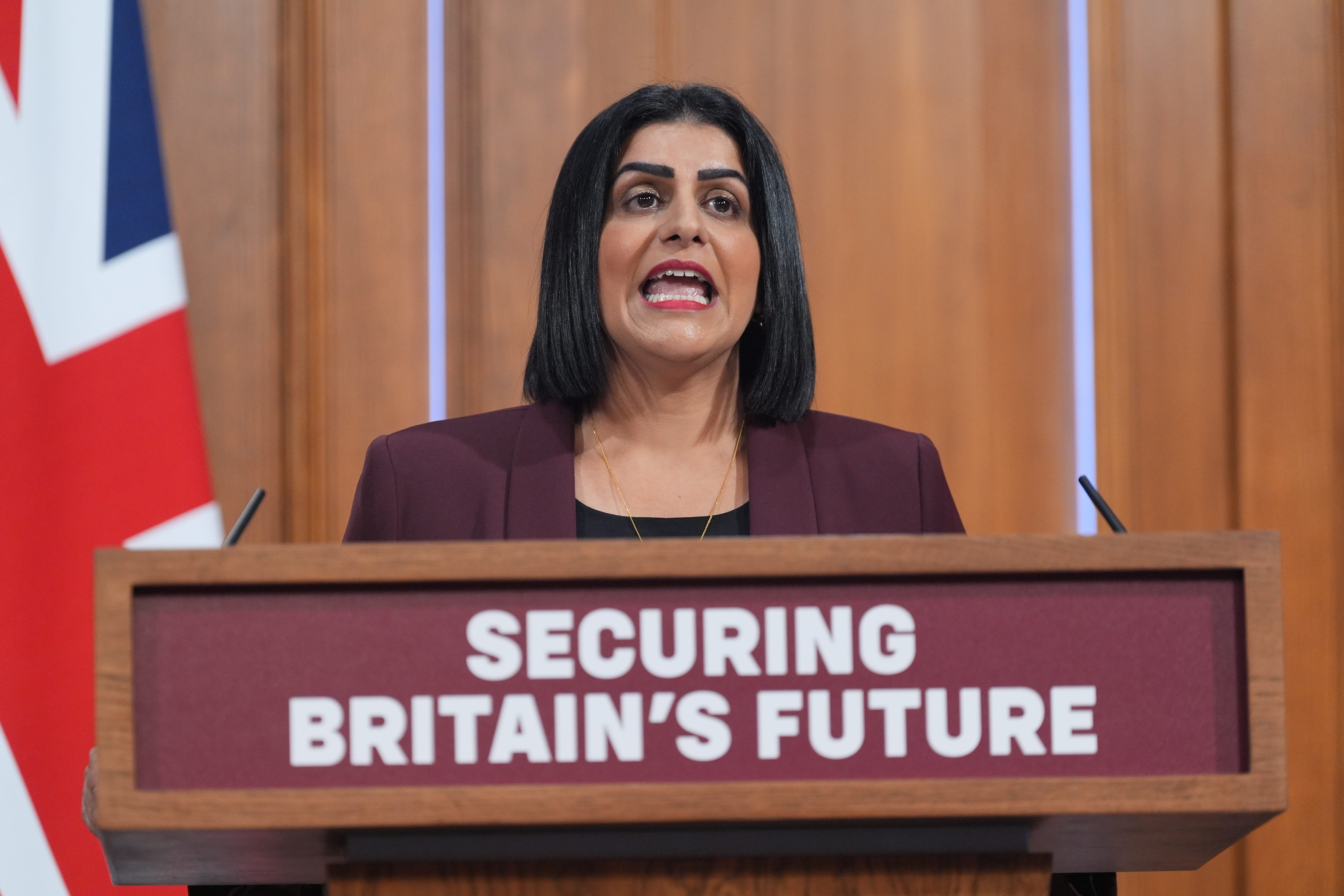
The UK government has quietly introduced a major policy shift that will prevent certain migrants from obtaining British citizenship. Effective from February 10, 2025, any applicant who previously entered the UK illegally will be automatically refused citizenship, regardless of how long they have lived in the country. This sudden policy update has sparked widespread debate, raising concerns about its impact on refugees and long-term residents.
Topics Discussed
- New Citizenship Rules for Illegal Migrants
- Why Was There No Public Announcement?
- The Political Context Behind This Policy Change
- Impact on Refugees and Migrants
- Criticism and Reactions from Human Rights Groups

New Citizenship Rules for Illegal Migrants
The updated Home Office guidance states that anyone applying for British citizenship after February 10, 2025, who previously entered the UK illegally will be refused. This includes individuals who arrived by small boats, concealed in vehicles, or without valid entry clearance. Applications made before this date will still be reviewed under existing guidelines, where illegal entry within the last 10 years may impact eligibility.
Why Was There No Public Announcement?
One of the most controversial aspects of this change is the lack of a formal public announcement. Instead of being openly communicated, the guidance was quietly updated for Home Office staff, raising concerns about transparency. Many argue that such a significant policy shift should have been debated publicly before being implemented.
The Political Context Behind This Policy Change
This move aligns with recent Conservative Party proposals to toughen immigration laws. The Labour government, which implemented the policy, may be responding to political pressure to reduce migration numbers and appear tougher on illegal immigration.
Impact on Refugees and Migrants
Reports indicate that over 71,000 refugees could be affected. Many of these individuals have lived in the UK for years, contributing to society as doctors, entrepreneurs, and skilled workers. Critics argue that stripping them of the opportunity for citizenship contradicts the UK’s longstanding humanitarian commitments.
Criticism and Reactions from Human Rights Groups
The Refugee Council has strongly opposed the decision, calling it “a blow to integration efforts.” Public sentiment is also divided, with 62% of Labour voters supporting the right of refugees to naturalize. Legal experts warn that many migrants may now be deterred from applying for citizenship, despite having built their lives in the UK.
Conclusion
The sudden and unannounced policy change has raised serious ethical and political questions. While the government defends it as a “clarification” rather than a new law, its real-world impact could be devastating for thousands of migrants. With ongoing debate and potential legal challenges ahead, this remains a key issue in UK immigration policy.