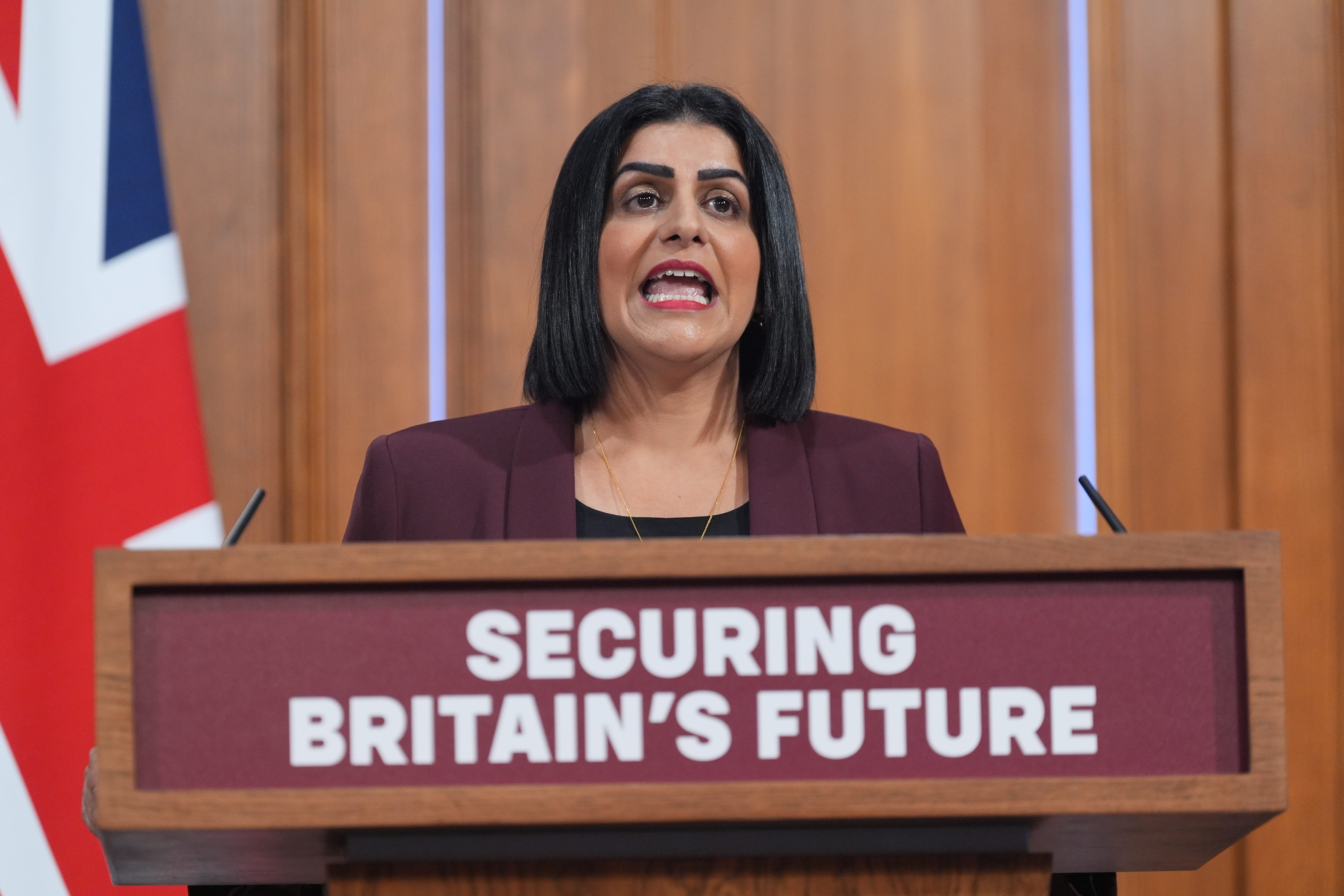
Synopsis: The UK government is preparing new visa restrictions aimed at nationals from Pakistan, Nigeria, and Sri Lanka, countries identified with high rates of visa overstaying and asylum claims. These measures, part of an upcoming Immigration White Paper, seek to reduce net migration, tighten post-study work options, and address political concerns following recent election results. Experts warn of potential discrimination and economic drawbacks, while international comparisons highlight varied approaches to visa overstays and asylum management.
Is the UK’s immigration system on the brink of a major overhaul? Recent reports reveal that the UK government is poised to tighten visa rules for nationals of Pakistan, Nigeria, and Sri Lanka-countries flagged for high rates of visa overstaying and subsequent asylum claims. This move comes amid political pressures following Labour’s poor local election performance and rising public concern over immigration levels. But will these measures restore order or risk alienating key international communities and damaging the UK’s economic and educational sectors?

What Is the Policy/Issue?
The UK Home Office plans to restrict work and study visa applications from nationals of countries it believes have disproportionately high rates of overstaying and asylum claims, notably Pakistan, Nigeria, and Sri Lanka. The policy aims to prevent individuals who enter legally on visas from exploiting the asylum system as a “backdoor” to remain indefinitely in the UK.
Key elements include:
- More stringent visa application scrutiny for targeted nationalities.
- Tighter restrictions on international graduates, requiring them to secure graduate-level jobs based on skill rather than salary to remain post-study.
- Use of financial evidence (e.g., bank statements) to challenge asylum claims based on destitution.
These measures are expected to be detailed in the forthcoming Immigration White Paper, which will set out the government’s strategy to reduce net migration, currently estimated at 728,000 for the year ending June 2024 (Office for National Statistics).
Why Now? (Causes, Pressures, Manifesto Pledges)
Several factors have converged to prompt this policy shift:
-
Political Pressure:
Labour’s significant losses in recent local elections, partly attributed to voter concerns over immigration, have intensified demands for tougher immigration controls.
-
Rising Asylum Claims:
The UK recorded a record 108,000 asylum claims in 2024, with nationals from Pakistan (10,542 claims), Nigeria (2,841), and Sri Lanka (2,862) among the highest contributors (UK Home Office asylum statistics).
-
System Abuse Concerns:
The government perceives a pattern where individuals enter on work or study visas but quickly switch to asylum claims, exploiting the system.
-
Manifesto Commitments:
Prime Minister Keir Starmer’s administration has pledged to reduce both legal and illegal immigration, aiming to restore “order” to what it describes as a “broken” immigration system.
Who Will Be Affected?
The proposed restrictions primarily target:
-
Applicants from Pakistan, Nigeria, and Sri Lanka:
These nationals will face increased scrutiny and higher likelihood of visa refusals.
-
International Students and Graduates:
Tighter post-study work visa conditions may limit their ability to stay and work in the UK unless they secure graduate-level skilled jobs.
-
Employers and Educational Institutions:
Universities and businesses relying on international talent may experience reduced access to skilled workers and students.
-
Broader Migrant Communities:
Although not explicitly named, other nationalities with similar profiles might also be affected as the Home Office builds intelligence on visa abuse patterns.
Expert Opinions
Legal and Policy Analysts
Professor Jonathan Portes, senior fellow at UK in a Changing Europe, suggests the impact on overall asylum numbers may be limited but acknowledges the government’s intent to curb “abusive” claims from visa holders switching to asylum.
Chris Philp, Shadow Home Secretary, criticizes the policy as “performative,” arguing existing systems already refuse visas to likely asylum claimants and that the new measures may not be effective.
Educational Sector
London Higher, representing UK higher education institutions, warns the restrictions risk being discriminatory and could harm the UK’s long-term economic growth by deterring international talent.
Charley Robinson of Universities UK International (UUKi) highlights the tension between migration policy and economic growth goals, noting the government faces tough trade-offs in balancing these priorities.
International Comparison
Australia
Australia enforces strict visa compliance, with clear consequences for overstaying, including visa cancellations, detention, and deportation. They maintain robust exit checks and require visa holders to leave before expiry, with limited grace periods (Australian Department of Home Affairs).
Canada
Canada imposes serious penalties for overstaying, such as removal orders, bans on re-entry (ranging from one year to permanent), and ineligibility for status changes. Overstayers can face detention and difficulties in future visa applications (Immigration, Refugees and Citizenship Canada).
United States
The U.S. asylum system is complex, with recent tightening under the Biden administration, including restrictions on asylum seekers arriving outside official ports of entry and increased use of technology to manage claims. However, seeking asylum remains legal, though subject to stringent procedural controls (U.S. Citizenship and Immigration Services).
The UK’s approach to targeting specific nationalities contrasts with Canada and Australia’s more generalized enforcement based on individual compliance rather than nationality profiling.
Better Policy Alternatives
-
Enhanced Data Transparency:
The UK has not published visa overstay exit check data since 2020, complicating evidence-based policymaking. Improved data collection and transparency could better target interventions (Office for National Statistics).
-
Focus on Integration and Support:
Instead of blanket nationality-based restrictions, policies could emphasize support for genuine students and workers to integrate and contribute economically.
-
International Student Exclusion from Net Migration:
Stakeholders advocate removing international students from net migration figures, recognizing most return home after studies (Universities UK International).
-
Balanced Economic and Migration Goals:
Coordinated efforts across Home Office, Treasury, and Education departments could ensure policies do not undermine the UK’s growth ambitions.
-
Robust Anti-Fraud Measures:
Targeted measures against visa fraud and misuse, rather than nationality profiling, can uphold system integrity without risking discrimination.
Key Takeaways
- The UK government plans to restrict visas for nationals from Pakistan, Nigeria, and Sri Lanka due to concerns over overstaying and asylum claims.
- These measures form part of a broader Immigration White Paper aimed at reducing net migration, currently at 728,000.
- The policy is driven by political pressures, rising asylum claims, and perceived system abuses.
- Experts warn of limited effectiveness, risks of discrimination, and negative economic impacts.
- Internationally, countries like Australia and Canada enforce visa compliance with penalties but avoid nationality-based restrictions.
- Alternatives focusing on data transparency, integration, and balanced policy could better serve UK interests.
Final Thought
Is targeting entire nationalities the right path to fixing the UK’s immigration challenges? While the government’s desire to restore order and respond to public concerns is understandable, these measures risk alienating key international communities and undermining the UK’s reputation as a global education and work destination. A nuanced, evidence-based approach that balances border control with economic and humanitarian priorities will be essential. Otherwise, the UK may sacrifice long-term growth and goodwill for short-term political gains.
This blog integrates the latest immigration statistics and expert insights from sources such as the UK Home Office, Office for National Statistics, Universities UK International, London Higher, and international immigration authorities to provide a comprehensive overview of the UK’s proposed visa crackdown, contextualized with international examples and policy analysis.