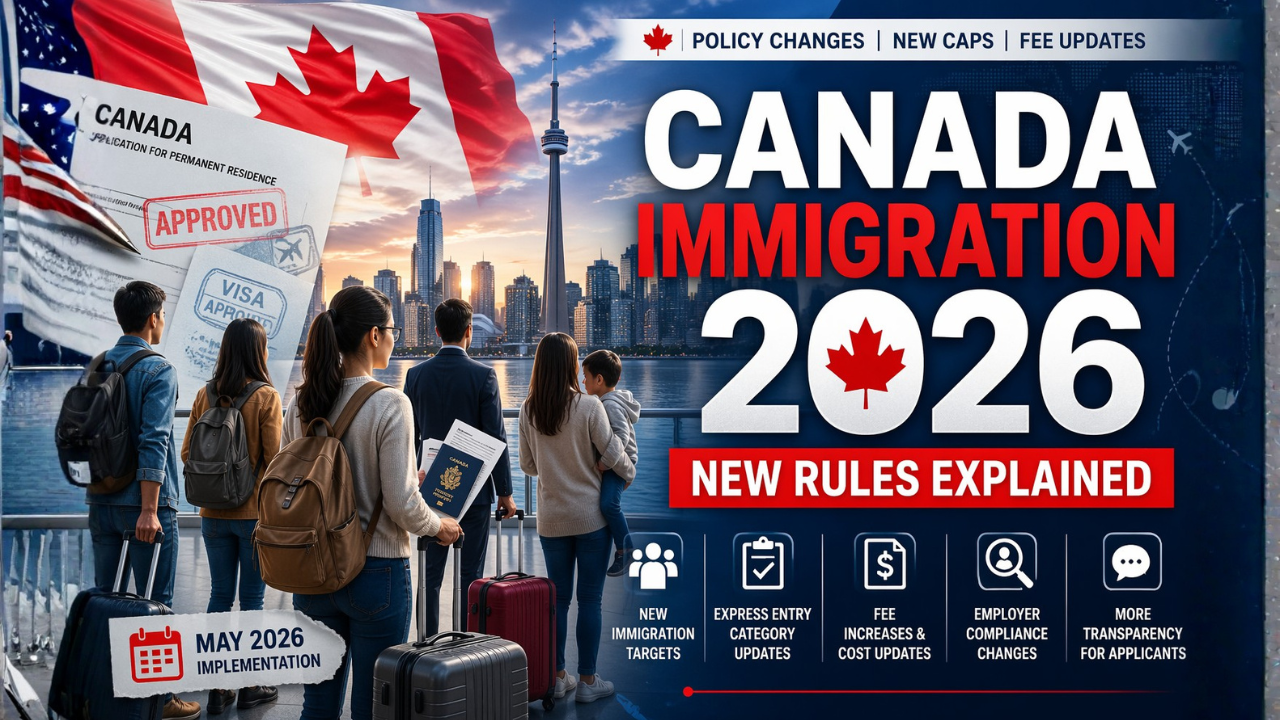
Canada’s immigration landscape is undergoing seismic shifts with the recent overhaul of the Express Entry system, leaving many prospective immigrants on edge. The introduction of new categories and the removal of others have sparked both hope and uncertainty among applicants worldwide.
Source: cicnews.com
In a bold move to address labor shortages, Immigration, Refugees, and Citizenship Canada (IRCC) announced the 2025 Express Entry categories on February 27, 2025. A significant addition is the Education category, now welcoming professionals such as teachers, child care educators, and instructors for individuals requiring extra assistance. This change underscores Canada’s recognition of the pressing need for skilled educators to nurture its growing population.
Source: canadim.com
Conversely, the Transport category has been entirely removed, signaling a shift in Canada’s labor priorities. Occupations like truck drivers and airline pilots, once in demand, are no longer on the priority list, leaving many in these professions reevaluating their immigration prospects.
Source: business-standard.com

The healthcare sector remains a focal point, with the Healthcare and Social Services category expanding to include roles such as pharmacists and social workers. However, it’s noteworthy that six occupations were removed from this category, reflecting a nuanced approach to addressing specific labor market needs.
Source: cicnews.com
These changes have sent ripples through the global talent pool, especially among STEM professionals. Several STEM-related occupations, including software engineers and data scientists, have been removed from the priority list, prompting concerns about Canada’s future in tech innovation.
Source: business-standard.com
As Canada recalibrates its immigration strategy, potential applicants must stay informed and adapt to the evolving criteria. The shifting landscape underscores the importance of aligning one’s skills with Canada’s current and future labor market demands.
In conclusion, Canada’s Express Entry overhaul reflects a dynamic approach to immigration, aiming to balance immediate labor shortages with long-term economic goals. Aspiring immigrants should closely monitor these developments, assess their eligibility under the new categories, and consider how their skills align with Canada’s priorities. Staying proactive and informed will be key to navigating this new immigration terrain.
Source:youtube.com