Synopsis: Australia is cracking down on international student visas with stricter rules on work hours and enrollment. Visa cancellations and deportations are rising, while shady education agents worsen the situation. This blog explores the risks, key policy changes, and what students must do to avoid losing their Australian study opportunities.
Australia is tightening its scrutiny on international students, leaving many at risk of visa cancellations and deportations. With increasing restrictions on student work hours and enrollment practices, thousands of students are now caught in a complex web of rules. Could this crackdown impact your future in Australia?
Topics Discussed
- Stricter Visa Scrutiny and Student Deportations
- The Role of Education Agents in Visa Violations
- Work Hour Limits and Crackdown on Employment
- Impact of Enrollment Caps on International Students

Stricter Visa Scrutiny and Student Deportations
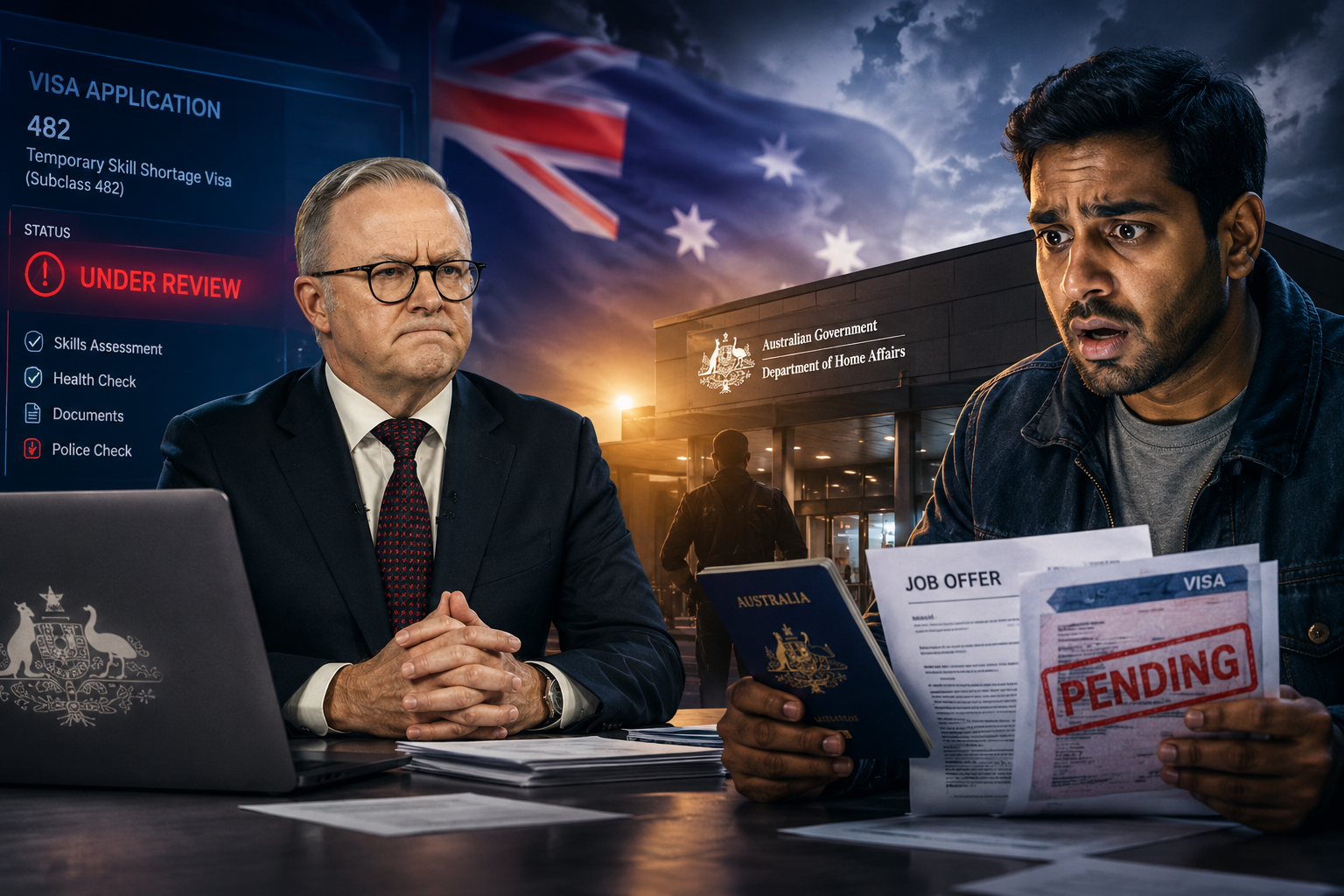
Recent reports reveal that multiple students have faced visa cancellations due to violations of government regulations. In February, a student from Punjab was deported after officials found evidence of excessive working hours on his phone. Cases like this highlight the growing enforcement of visa conditions.
The Role of Education Agents in Visa Violations
Many students unknowingly fall into traps set by unscrupulous education agents who enroll them in different courses after arrival to earn commissions. The Association of Australian Education Representatives of India (AAERI) has urged the government to regulate these agents to prevent exploitation.
Work Hour Limits and Crackdown on Employment
While international students are allowed 24 work hours per week, many exceed this limit by working as Uber drivers or food delivery personnel. Recently, Australian authorities inspected 40 businesses suspected of violating these rules, leading to increased fear among students.
Impact of Enrollment Caps on International Students
Australia has introduced admission limits for universities, slowing down visa approvals once an institution reaches 80% of its quota. This policy change may make it harder for students to secure spots in their preferred institutions, further complicating their study plans.
Conclusion
The Australian government’s crackdown on student visa compliance is reshaping immigration policies. To avoid risks, international students must stay informed about visa regulations, choose trusted consultants, and follow work restrictions. With the tightening grip on enforcement, the question remains: is Australia still a dream destination for students, or is the tide turning?