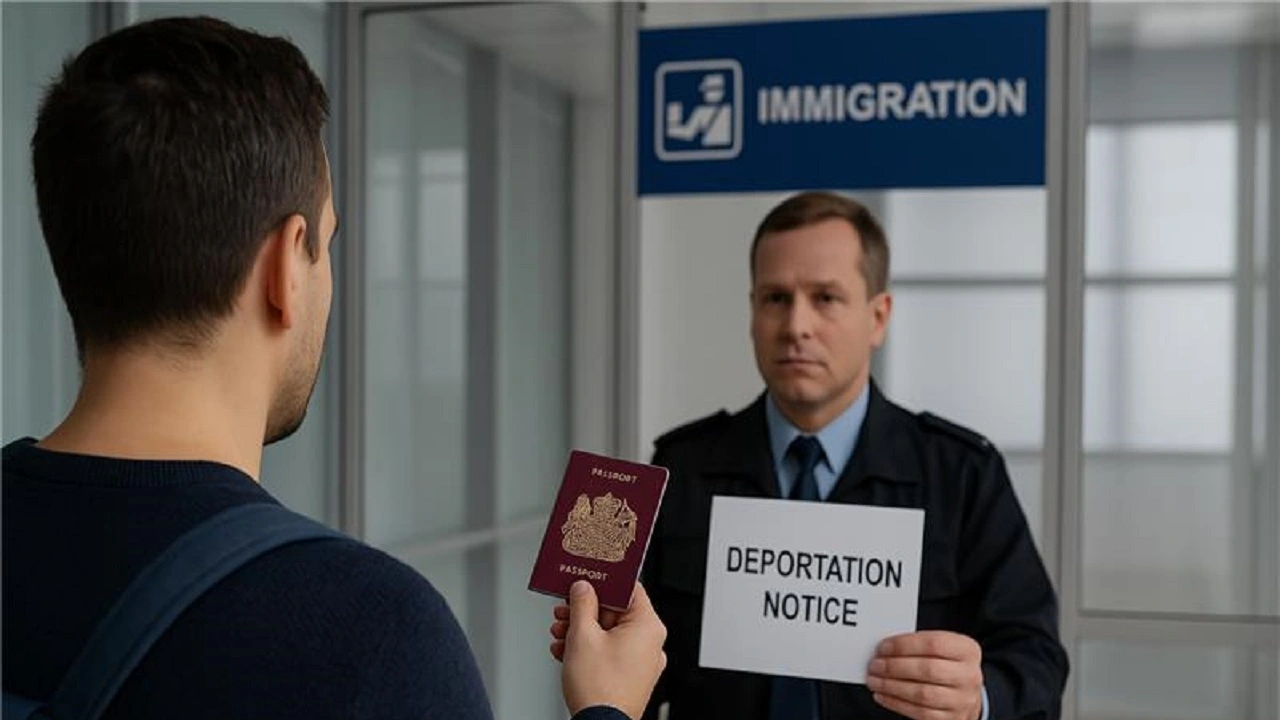
Synopsis: UK visa overstays crackdown 2025 underscores a zero-tolerance Home Office approach: even brief lapses can cause deportation, bans, and loss of work or housing rights. This post examines real cases, legal options, and practical steps—tracking expiry dates, applying early, and seeking legal advice—to immediately protect migrants’ status in the UK.
A Critical Moment for UK Visa Holders
In today’s UK immigration climate, one mistake can undo years of lawful residence. The Home Office is clear: if your visa expires—even for a short period—you risk being classified as an overstayer, losing work rights, and even facing deportation. According to the UK government’s official guidance, overstaying is a breach of immigration law that can have life-changing consequences.
Recent high-profile cases reveal just how unforgiving the system has become. Even those with compelling medical reasons, such as hospitalization or mental health crises, have found little sympathy from authorities. What does this mean for international students, skilled workers, and families living in the UK?

Why Renewing Your Visa On Time is Non-Negotiable
Overstaying Defined
Overstaying occurs when a visa holder remains in the UK beyond the date permitted on their visa without applying for an extension or new status. The moment your visa expires, your lawful presence ends.
Consequences include:
- Immediate loss of the right to work or study.
- Ineligibility for renting accommodation under the “Right to Rent” checks.
- Restricted access to financial services and healthcare.
- Risk of removal or long-term re-entry bans.
The Home Office explicitly states that even a short lapse—two or three days—can have a lasting impact on your immigration history.
The Case of the Canadian Academic: A Warning to All
One widely reported case involves a Canadian academic who had legally renewed her UK visa seven times since arriving in 2011. In 2022, she was hospitalized for 13 weeks due to severe mental illness, leaving her unable to engage with the visa renewal system. She overstayed for 46 days.
Despite extensive medical documentation, the Home Office refused to accept this as “exceptional circumstances.” Her application for further leave to remain was denied, with authorities insisting that indefinite leave to remain (ILR) is a privilege, not an entitlement.
Her appeal is ongoing, but the message is stark: illness—even mental health crises—does not guarantee leniency.
Stricter Rules Amid Immigration Pressures
Why the Hardline Approach?
The UK government has pledged to reduce net migration, aligning with a broader political agenda to limit foreign arrivals. In this climate, tolerance for procedural lapses is virtually non-existent. The Home Office has intensified enforcement, warning students, workers, and families via direct communication that overstaying—even unintentionally—will result in severe consequences.
Reports from The Guardian highlight increasing numbers of refusals and bans linked to technical overstays, reflecting a system designed to discourage non-compliance at all costs.
Other Cases Highlighting the Risks
Families Caught in Bureaucratic Gaps
A Brazilian couple faced devastating consequences when they inadvertently failed to secure valid visas for their children during a divorce and visa switch. Instead of approval for ILR, the family received a letter instructing the children to leave the UK.
Mortgage and Employment Barriers
Beyond legal risks, overstaying disrupts everyday life. Migrants report being denied mortgages, rental agreements, and even car purchases when their visa validity is under six months. Employers, bound by strict compliance checks, cannot legally retain workers whose visas have lapsed.
This illustrates how visas underpin not just legal residence but financial and social stability.
Human Rights Appeals: Do They Work?
Legal Avenues Available
While migrants can lodge human rights-based appeals, success rates are inconsistent. The Home Office often argues that the desire to remain in the UK does not constitute an “exceptional circumstance.”
In the Canadian academic’s case, her legal team submitted detailed medical evidence. Yet the Home Office responded that her improved condition meant she could safely return to Canada, dismissing her years of contribution in the UK.
Data from the Immigration and Asylum Chamber show that only a fraction of appeals citing illness or humanitarian grounds succeed.
Lessons for Visa Holders: Staying Ahead
Practical Strategies
- Track Visa Expiry Dates Closely: Use reminders on multiple devices.
- Apply Early: Submit renewal applications well before expiry, even months ahead if possible.
- Maintain Documentation: Keep a record of financials, employment, and housing to strengthen any applications.
- Seek Legal Help Promptly: Immigration solicitors can advise on complex cases before problems escalate.
- Check Rules Directly: Always review requirements on the official UK visa website rather than relying on informal advice.
Don’t Assume Sympathy
Even with strong reasons—health crises, family emergencies—the Home Office rarely bends rules. Overstaying damages future eligibility for ILR, visas, and even citizenship.
Broader Implications for International Students and Workers
The impact of strict visa enforcement extends beyond individual cases. It affects universities, employers, and industries dependent on international talent.
- Universities: Students face disruption if forced to leave mid-program.
- Employers: Skilled workers risk job loss, affecting critical sectors like healthcare.
- Economy: Businesses struggle when compliance rules force them to let go of valuable staff.
A Migration Observatory report underscores how immigration policy shifts ripple through the UK economy, reducing long-term competitiveness.
The Fine Print: ILR and Overstaying
Many migrants aim for Indefinite Leave to Remain. But overstaying—even briefly—can derail eligibility. Home Office policy clarifies that past overstays significantly reduce the chances of approval.
This reinforces the urgency of proactive compliance. ILR is not automatic; it must be earned through years of uninterrupted lawful residence.
Conclusion: A Harsh but Clear Reality
The UK’s stance on overstaying is uncompromising. Whether you are a student, skilled worker, or long-term resident, letting your visa lapse—no matter the reason—can undo years of effort.
Migrants must adopt a proactive, almost defensive approach: monitor expiry dates, prepare renewals early, and never assume exceptions will be made. The Home Office has made its position clear—rules will be enforced to the letter, even in compassionate cases.
Staying informed through official channels like UKVI guidance is no longer optional—it is essential. For migrants, the lesson is simple but urgent: your visa is your lifeline in the UK. Protect it at all costs.