Synopsis: The UK government has suspended the refugee family reunion scheme, citing rising asylum numbers and political pressure over small-boat crossings. This post examines the policy’s political rationale, humanitarian consequences, legal constraints, and likely next steps — offering guidance to charities, refugees and policymakers navigating family separation risks and reunification options.
A Pivotal Shift in UK Asylum Policy
Immigration has once again risen to the top of the UK’s political agenda, with the government announcing the temporary suspension of the refugee family reunion scheme. This comes at a time when illegal Channel crossings have reached record levels, and public concern over migration remains high. According to the UK Home Office, nearly 21,000 family reunion visas were granted in the year to June, a sharp increase from just 5,000 in 2011.
The announcement highlights a turning point: Britain is balancing humanitarian obligations with growing political and public demands for stricter border controls. But does suspending family reunification deliver security, or does it risk tearing families apart and fueling more dangerous crossings?
This blog examines the suspension in depth—covering political motives, humanitarian impacts, public opinion, and what lies ahead for the UK asylum system.
Topics Discussed
- Rising Channel Crossings and Political Backdrop
- Suspension of Refugee Family Reunion Visas
- Humanitarian Consequences and Personal Testimonies
- Political Strategy, Opinion Polls, and Radical Alternatives
- Future of UK Immigration and Asylum Reforms

Rising Channel Crossings and Political Backdrop
Record Numbers Across the Channel
In 2023, more than 29,000 people crossed the English Channel in small boats, making it the worst year on record. The perilous crossings have dominated headlines and sparked fierce debate in Westminster. For the Labour government, tackling illegal migration has become a litmus test of credibility and control.
Public polling consistently shows immigration as a top voter concern. The Office for National Statistics (ONS) highlights that immigration levels remain historically high, driven by both asylum seekers and legal migration streams. Against this backdrop, suspending one of the main humanitarian visa pathways signals a government eager to project firmness.
Political Symbolism
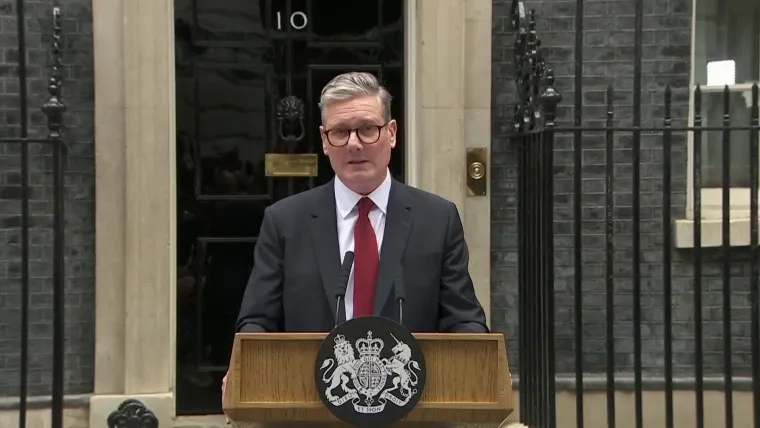
The Home Secretary’s speech emphasized British pride—flags, monarchy, and national values. Fairness, she argued, extends to ensuring asylum rules are not exploited. By framing the decision as protecting integrity rather than dismantling compassion, ministers aim to reassure voters that Britain remains both strong and fair.
Suspension of Refugee Family Reunion Visas
What the Suspension Means
Effective immediately, the Home Secretary announced a halt to all new applications under the refugee family reunion route. This scheme previously allowed those granted asylum to reunite with spouses, children, and sometimes other close relatives.
The government justifies the pause as necessary to review and tighten immigration rules. With applications rising fourfold in a decade, ministers argue the system risks being overwhelmed.
Tightening the Appeals Process
Alongside the suspension, the asylum appeal system will face stricter scrutiny. Officials promise faster decisions and reduced opportunities for legal challenges. The Prime Minister also reaffirmed plans to close asylum hotels—widely unpopular with local communities—earlier than expected.
Humanitarian Consequences and Personal Testimonies
Joel’s Story: A Family Divided
The human impact is best illustrated by cases like Joel Morty, a Nigerian activist who fled persecution after organizing the country’s first Pride march in 2019. Granted asylum in the UK, Joel has reunited with some family members, yet his mother and brother remain stranded.
“They’ve been subjected to acid attacks,” Joel revealed, urging the government not to dismantle family reunification. For him, suspending the scheme means a cruel separation at a time when safety is most needed.
Risks of Desperate Alternatives
Charities warn the move could increase irregular crossings. When legal avenues are blocked, families may attempt the dangerous journey across the Channel. The UNHCR has long advocated that family unity is central to refugee protection, stressing that denying it risks undermining international humanitarian obligations.
Political Strategy, Opinion Polls, and Radical Alternatives
The Reform Party Challenge
A significant driver of the government’s tougher stance is political competition. The Reform Party, led by Nigel Farage, has gained a 10–15% lead in polls on the migration issue, largely due to promises of mass deportations—up to 600,000 in one year.
While critics call these proposals simplistic and undeliverable, they resonate with voters seeking radical action. The government’s more gradualist approach risks being overshadowed unless it can demonstrate tangible results.
Piecemeal Progress vs. Bold Promises
Over the summer, Britain signed a new returns agreement with France—an achievement but only a modest step. Critics argue incremental progress fails to convince a public demanding decisive change. As one commentator noted, Western democracies increasingly reward radical solutions, leaving centrist governments struggling to keep pace.
Future of UK Immigration and Asylum Reforms
Policy Recalibration in Downing Street
The suspension coincides with major reshuffles inside Number 10 Downing Street. The Prime Minister has appointed Darren Jones to enforce spending discipline and Manisha Shafi, former Deputy Governor of the Bank of England, as chief economic adviser. These moves aim to consolidate control and rebuild public confidence after a turbulent first year.
Balancing Fairness and Control
The government insists Britain will continue offering asylum to those fleeing genuine persecution. Yet, it faces a delicate balance: demonstrating compassion while proving to voters that borders are secure.
Future reforms may include:
- Stricter eligibility criteria for asylum claims.
- Accelerated removals for rejected applicants.
- Expanded offshore processing discussions with European partners.
- Alternatives to asylum hotels, such as repurposed barracks or barges.
The Bigger Question
Does suspending family reunion genuinely reduce irregular migration, or does it risk exacerbating the very problem it seeks to solve? For many observers, the answer depends not only on numbers but also on the values Britain chooses to uphold.
Conclusion: A Defining Moment for UK Immigration Policy
The suspension of the refugee family reunion scheme marks one of the most consequential immigration decisions in recent years. On one side lies political necessity: a government under pressure to control borders and outflank populist rivals. On the other lies humanitarian principle: the right of refugees to live with their families in safety.
With immigration dominating national debate, this move will define Labour’s credibility on asylum and border security. Whether it brings control or deepens division remains to be seen—but one thing is certain: Britain’s asylum policy now stands at a crossroads.