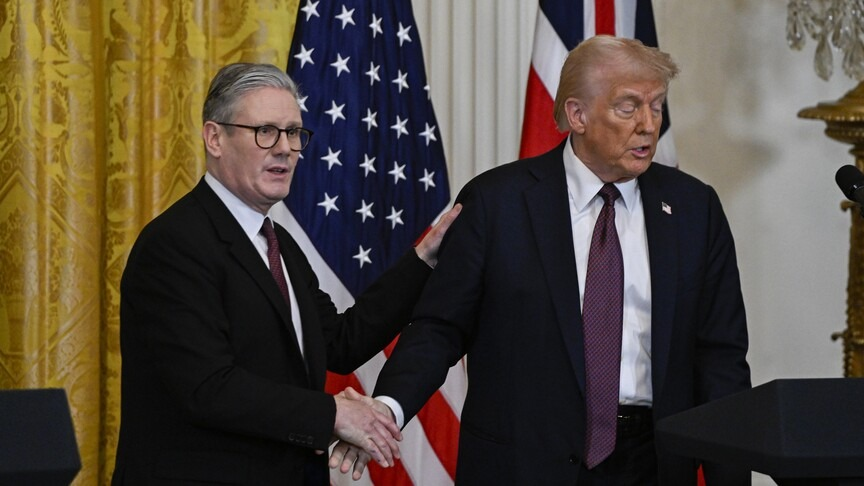
Synopsis: The UK government proposes tightening Graduate Visa rules, mandating graduates secure relevant employment post-study. Universities fear significant economic impact, while the Home Office cites misuse of visa pathways. A delayed policy White Paper adds further uncertainty, compelling international students to carefully reassess and plan their future immigration strategies to the UK.
Are you an international student planning your future in the UK? Prepare for uncertainty as the UK government proposes tightening rules on Post Study Work Visas. The planned reforms aim to reduce net migration by requiring international graduates to secure graduate-level jobs to remain in the UK, sparking debates and concern among universities and students alike.
Topics Discussed:
- Proposed Changes to Graduate Visa Rules
- Impact on UK Universities and Economy
- Home Office Data on Visa Misuse
- Delayed Immigration Policy White Paper

Proposed Changes to Graduate Visa Rules
Currently, the Graduate Visa allows international students to remain in the UK for up to two years post-study without employment. However, proposed changes would mandate securing a graduate-level job to stay, significantly tightening current regulations.
Impact on UK Universities and Economy
The education sector fears these proposed visa restrictions could severely harm universities financially. Universities UK CEO Vivienne Stern highlighted that international students contribute approximately £40 billion annually, labeling restrictions as detrimental and “madness.”
Home Office Data on Visa Misuse
Home Office statistics from 2024 reveal troubling trends, with 40,000 asylum claims from individuals previously on UK visas—40% former student visa holders. Officials suggest misuse of student-to-graduate visa pathways, indicating potential fraud and exploitation of the system.
Delayed Immigration Policy White Paper
Prime Minister Sir Keir Starmer’s highly anticipated immigration policy White Paper has been postponed until after May’s local elections due to internal disagreements and external economic concerns. This delay adds further uncertainty for international students and UK institutions.
Conclusion
With these looming changes, international students must closely monitor developments and strategically plan their future in the UK. Stay informed, act proactively, and be ready to adapt swiftly to ensure your UK ambitions remain achievable.