Synopsis: As the UK and EU prepare for a major summit, talks intensify around a youth mobility scheme. This potential deal could reshape opportunities for under-30s and mark a significant step in post-Brexit relations.
The United Kingdom and the European Union stand on the brink of a significant breakthrough: a youth visa deal that could transform the landscape for young people on both sides of the Channel. As the first major UK-EU summit since Brexit approaches, political momentum is building for a scheme that would allow young people under 30 to live, work, and study abroad with greater ease. This development represents not only a potential “reset” in UK-EU relations but also a response to calls from politicians, business leaders, and youth advocates for renewed cultural and economic exchange.

The Political Context: From Stalemate to Possibility
Since the UK’s departure from the EU, the question of youth mobility has been a contentious issue. The government, particularly under previous Conservative leadership, was quick to rule out any return to freedom of movement, a stance echoed by Labour in the run-up to the last general election. However, the political winds are shifting. Over 60 Labour MPs have now urged ministers to negotiate a “new and bespoke youth visa scheme for UK and EU citizens aged under 30,” arguing that such a deal would “extend new cultural, educational, and economic opportunities to young people in the UK”1 5.
Downing Street, while previously firm in its opposition, has notably softened its language ahead of the upcoming summit, declining to repeat earlier objections and stating that it would not provide a “running commentary” on ongoing talks1 2. This subtle but significant change signals a willingness to engage with EU proposals, especially as both sides seek to strengthen cooperation in the wake of Brexit.
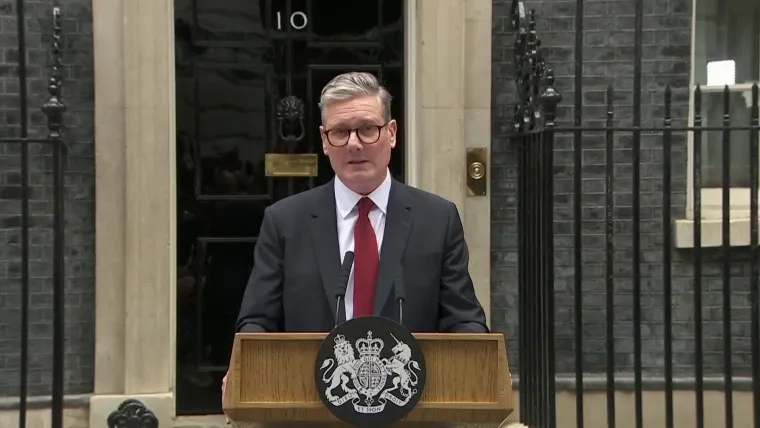
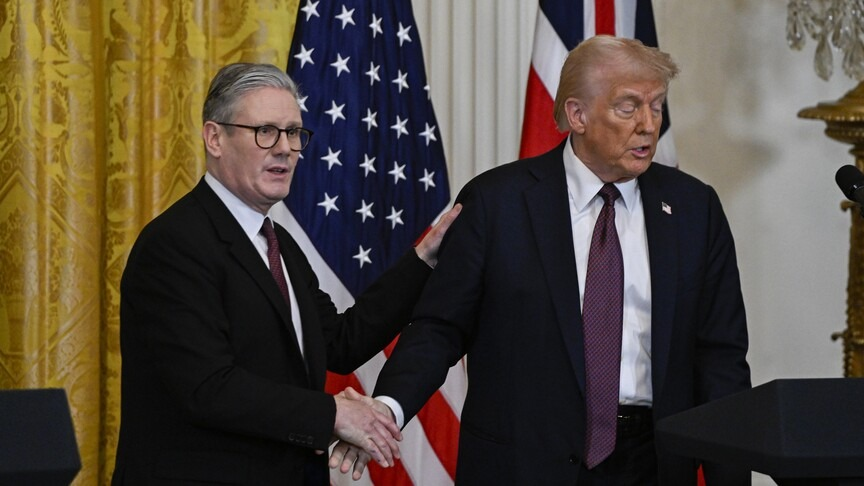
“In talks about negotiations to the UK-EU partnership, both parties concurred that significant progress had been achieved. They requested their teams to persist in their vital efforts in the upcoming weeks, aiming to deliver the most ambitious package at the UK-EU summit next month,” a Downing Street spokesperson confirmed following a meeting between Prime Minister Sir Keir Starmer and European Commission President Ursula von der Leyen1 2.
What Is on the Table? The EU’s Proposal
The European Commission first floated the idea of an EU-wide youth deal in April 2024, proposing that people aged 18 to 30 could apply for visas lasting up to four years to work, study, train, or volunteer, with no overall cap on the number of visas issued2. The proposal also suggested that EU applicants should not have to pay the NHS surcharge and should be eligible for the same university tuition fees as British students, rather than the higher international rates imposed since Brexit2.
This ambitious approach reflects the EU’s desire to restore some of the mobility lost after Brexit, albeit without replicating the full freedom of movement that once existed. As Germany’s ambassador to the UK, Miguel Berger, put it, “EU citizens have faced many obstacles to moving to the UK since Brexit, including very high thresholds for skilled work visas”1.
The UK’s Current Youth Mobility Scheme: A Template?
The UK already operates a Youth Mobility Scheme (YMS) with 12 non-EU countries, including Australia, Canada, Japan, and South Korea4 8. Under this program, young people aged 18 to 30 (or up to 35 for some countries) can live and work in the UK for up to two years, with an option for a third year for Australians, Canadians, and New Zealanders4 8. Each country has an annual quota (e.g., 42,000 for Australia, 10,000 for Canada), and applicants must show at least £2,530 in savings, pay an application fee of £319, and cover an annual NHS surcharge of £776 for students and £1,035 for workers4 8.
The scheme is designed to promote cultural exchange and provide opportunities for young people without leading to permanent migration. Visa holders can work in most jobs, study, and travel freely, but cannot access public funds or bring dependents4 8.
| Country | Annual Quota (2025) |
| Australia | 42,000 |
| Canada | 10,000 |
| New Zealand | 9,500 |
| Japan | 6,000 |
| South Korea | 5,000 |
| India | 3,000 |
| Others (each) | 100–1,000 |
Source: DavidsonMorris, UK Government4 8
What Would a UK-EU Youth Visa Scheme Look Like?
While details are still under negotiation, both sides seem to agree that any deal should be time-limited, capped, and reciprocal—mirroring the structure of the existing YMS5 7. The UK government, keen to avoid a surge in net migration, is reportedly advocating for a more restrictive version than the EU’s original proposal. Home Secretary Yvette Cooper is said to favor visas limited to one year, with an overall cap on numbers, and for participants to be excluded from official immigration figures2.
The EU, meanwhile, has emphasized that a youth visa deal would not amount to a return to freedom of movement. Documents circulated among member states suggest the scheme could be branded as a “youth experience” program to avoid political backlash and downplay any link to migration2.
“A bespoke scheme would extend new cultural, educational and economic opportunities to young people in the UK without returning to free movement,” wrote the group of Labour MPs and peers in their letter to ministers5.
The Political Debate: Supporters and Critics
The prospect of a youth visa deal has sparked intense debate across the political spectrum. Supporters, including the Liberal Democrats and the Greens, argue that such a scheme would boost economic growth, enhance cultural ties, and provide life-changing opportunities for young people3 5. Liberal Democrat Cabinet Office spokesperson Sarah Olney pressed the government to seize the opportunity at the upcoming summit:
“Warm words about a reset in UK-EU relations is no longer enough. The summit taking place in London on the 19th of May is an opportunity for real action… to commit to bringing in a UK-EU youth mobility scheme that will boost economic growth and enhance chances for young people in our country and across the EU”3 7 .
Critics, notably from the Conservative Party and Reform UK, warn that the scheme could be exploited and might undermine the goals of Brexit. Conservative leader Kemi Badenoch expressed concerns that it could become “another avenue which people might use to game the system,” while Reform leader Nigel Farage argued it would be “completely against what the Brexit vote demanded”2.
Beyond Visas: The Broader UK-EU Relationship
The youth visa talks are part of a broader agenda to reset UK-EU relations post-Brexit. Both sides are also exploring deeper cooperation on defence and security, especially in light of the ongoing war in Ukraine. A defence pact could unlock full UK access to a €150bn (£128bn) EU-backed loans scheme, from which British firms are currently limited to 35% participation in funded projects1.
Additionally, there is discussion about reducing border checks on food products and collaborating on sanitary and phytosanitary (SPS) measures—issues that have caused friction since Brexit5.
The Economic and Social Case
The potential benefits of a youth mobility scheme are significant. According to the Confederation of British Industry (CBI), the UK faces ongoing skills shortages in key sectors, and greater mobility could help address these gaps while fostering innovation and cross-cultural understanding. A 2023 survey by Universities UK found that 70% of students believe international experience is crucial for their career prospects, and 65% of employers said they value such experience when hiring.
The British Council has highlighted the long-term benefits of international exchange, noting that “young people who have lived, studied, or worked abroad are more likely to develop the global skills needed in today’s interconnected world.”
What Happens Next?
The outcome of the upcoming UK-EU summit on May 19 will be pivotal. Both sides have acknowledged “good progress” in negotiations, but key details remain unresolved1 2. The government’s willingness to consider a youth visa deal, even if limited and capped, marks a significant shift from its previous stance.
As the negotiations continue, the voices of young people, business leaders, and cultural organizations will be crucial in shaping the final agreement. The stakes are high: a successful youth mobility scheme could become a flagship example of pragmatic, post-Brexit cooperation—one that benefits not just governments, but the next generation of Britons and Europeans.
Conclusion: A Window of Opportunity
The UK’s potential youth visa deal with the EU represents more than just a policy shift—it is a chance to rebuild bridges, foster mutual understanding, and equip young people with the tools they need to thrive in a globalized world. As Sir Keir Starmer and Ursula von der Leyen prepare for their historic summit, the eyes of a generation are watching, hopeful that the doors to Europe—and the world—may soon be open once again.
“This is about giving our young people the chance to experience the world, to learn, to grow, and to build the relationships that will shape the future of our continent,” said one Labour MP involved in the push for the scheme5.
The coming weeks will reveal whether political will can translate into concrete action—and whether the UK and EU can truly move beyond the divisions of Brexit toward a new era of partnership and possibility.
Key Facts at a Glance:
- Over 60 Labour MPs support a UK-EU youth visa deal for under-30s5.
- EU proposal: 18–30-year-olds, up to four-year visas, no overall cap2.