Synopsis: Australian commentators and politicians are urging PM Anthony Albanese to restrict immigration, citing parallels with UK reforms and mounting housing pressures. This blog explores the policy debate, economic interests, population data, and long-term national challenges as immigration remains a hot-button issue in Australian public discourse.
As Australia faces a deepening housing crisis and mounting infrastructure strain, a familiar political battle is resurfacing—immigration policy. Radio host Ben Fordham and others have reignited calls for Prime Minister Anthony Albanese to impose stricter immigration limits, following the UK’s recent move under Prime Minister Keir Starmer. The debate pits population growth against national capacity, and economic growth against public sentiment.
With UK reforms sparking global attention, the question now looms: should Australia follow suit?

Why the UK’s Immigration Reform Is Making Waves
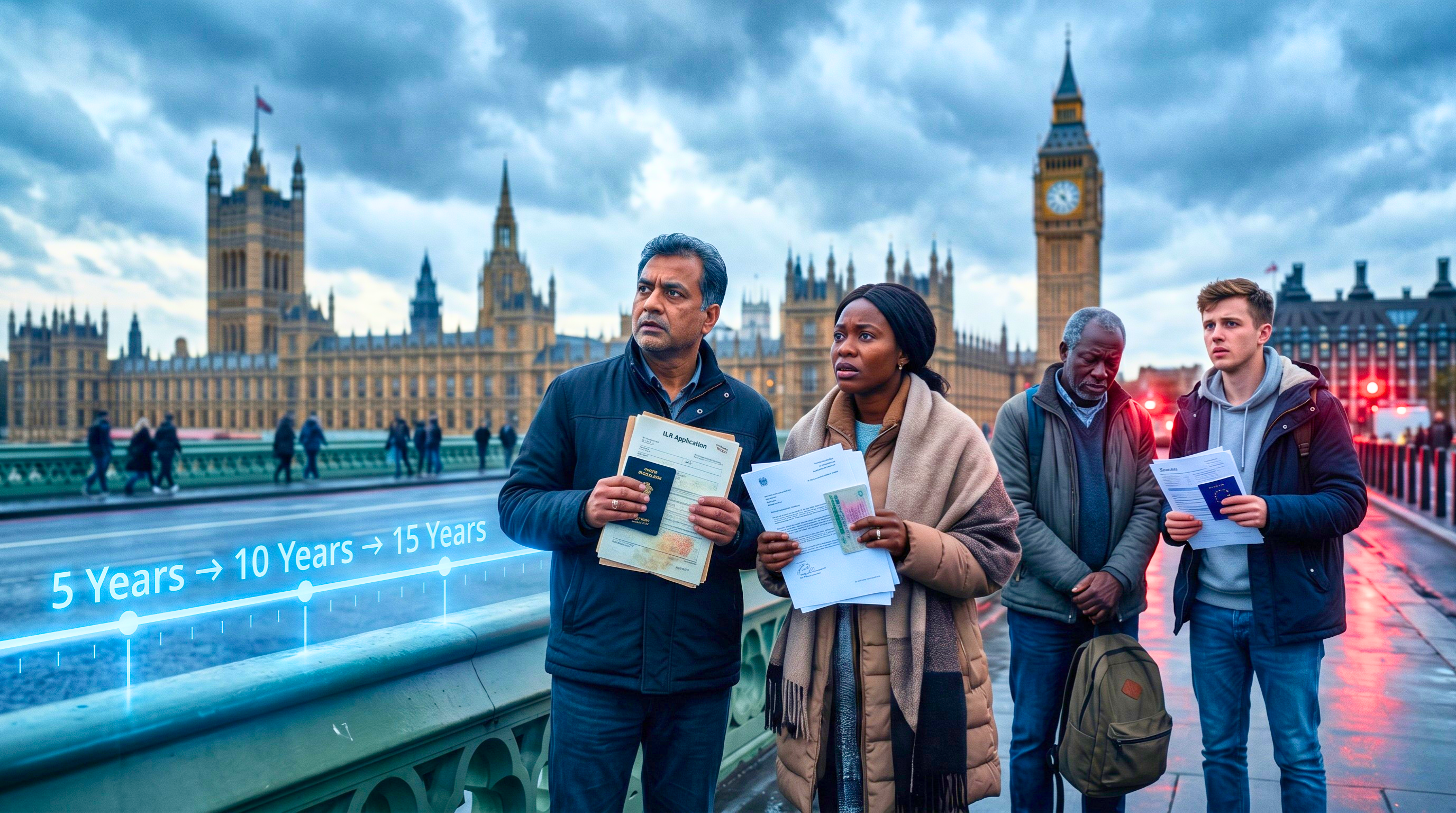
Prime Minister Keir Starmer’s Labour government announced a bold series of policies to reduce immigration in 2025, citing fears of the UK becoming an “island of strangers.” Among the proposed changes:
- Increasing the settlement waiting period from 5 to 10 years
- Tightening English language requirements for migrants
- Expanding qualifications needed for a Skilled Worker visa
In 2023, the UK admitted a record 1.2 million migrants. These numbers have prompted widespread debate, prompting other nations—including Australia—to consider similar course corrections.
Australia’s Surging Migration Figures
Australia experienced a massive spike in immigration during the 2023–24 financial year, absorbing approximately 670,000 new migrants, according to Treasury Budget papers. This marked the highest level of net overseas migration (NOM) in the country’s history, surpassing earlier forecasts by 80,000 people.
Key Data Points:
- In December 2023, Treasury revised its forecast to 340,000 for 2024–25, up from the originally predicted 260,000
- NOM is expected to fall to 260,000 in 2025–26, but concerns remain whether this will suffice to ease pressure on housing and services
The demographic shift is stark. As Fordham pointed out:
“Twenty-five years ago, more babies were born in Australia than migrants arriving. Now it’s four to one the other way.”
Australian Bureau of Statistics (ABS) projections echo these concerns, with population growth tracking at rates well above OECD averages.
The Housing Crisis: Can Migration Be the Scapegoat?
Ben Fordham and other critics argue that high immigration is directly linked to Australia’s housing affordability crisis. With rental prices surging, vacancy rates at record lows, and home ownership slipping out of reach for many, the call to “slow down” immigration is gaining momentum.
Fordham’s message to PM Albanese was direct:
“We’re in the middle of a housing crisis, and yet we’re taking in almost two thousand people per day.”
However, urban economists urge caution in oversimplifying the problem. A Grattan Institute report emphasizes that zoning laws, land supply, and investment incentives also contribute to housing pressures.
Economic Arguments: The Triguboff Position
In sharp contrast to restrictionist voices, billionaire property developer Harry Triguboff insists that immigration is essential to sustain construction and prevent economic stagnation. Speaking on the podcast Straight Talk with Mark Bouris, Triguboff said:
“We need more immigration, because if we have no migrants, it’s very, very difficult [to build].”
Triguboff forecasts Australia’s population will hit 55 million by 2050, and openly supports a target of 100 million, highlighting the role of migration in addressing labor shortages and aging demographics.
His position aligns with the Productivity Commission and Treasury, both of which note that migrants tend to be younger and more workforce-ready than the existing population.
Aging Population vs Infrastructure Limits: A Policy Crossroads
Australia’s population pyramid is tilting. By 2030, one in five Australians will be over the age of 65. Without sufficient immigration, the tax base may shrink, undermining health, pension, and aged-care systems.
However, rapid population growth without proportional investment in:
- Affordable housing
- Public transport
- Hospitals and schools
…risks triggering backlash from overstretched urban communities.
The Albanese government is caught between competing policy imperatives: support a strong economy through migration or ease social tensions by scaling back.
The Albanese Government’s Position: Promises vs Reality
Anthony Albanese pledged during the 2022 election campaign to “bring immigration levels under control”. But despite these promises, actual numbers surged in 2023–24.
Under pressure from both voters and media, his administration has committed to:
- Reducing NOM to 335,000 in 2024–25
- Scaling it back further to 260,000 in 2025–26
- Introducing tighter controls on student and temporary visa streams
Yet critics argue this is reactive rather than reformative.
Comparing Australia’s Migration to Global Peers
Is Australia’s growth truly “off the charts”? Let’s compare:
| Country | Net Migration Rate (2023 est.) | Population Growth Driver |
| Australia | 11.6 per 1,000 population | Mostly migration |
| UK | 6.3 per 1,000 | Mixed |
| Canada | 9.4 per 1,000 | Mostly migration |
| US | 3.0 per 1,000 | Mostly births |
(Source: World Bank)
Australia leads in migration-fueled growth among Western economies, prompting calls for recalibrated long-term planning.
Is It Time to Set a Cap?
One idea gaining traction is to legislate an annual cap on net overseas migration, as some states have suggested.
Pros:
- Predictability in infrastructure and housing planning
- Alignment with environmental and resource limits
- Easier communication with the public
Cons:
- Reduced labor force participation
- Lower GDP growth
- Risks to university and real estate sectors dependent on migrants
As outlined in a Parliamentary Budget Office report, reducing NOM by 50% could shrink the federal budget by over $30 billion within a decade.
Could Immigration Policy Be Politicized?
In the UK, Keir Starmer’s pivot on immigration was partly motivated by electoral competition with right-wing parties like Reform UK. Could a similar dynamic emerge in Australia?
With support for populist parties like One Nation and the United Australia Party increasing in some regions, migration is again becoming a political flashpoint.
Albanese’s ability to retain centrist voters may depend on his handling of this polarizing issue.
Key Takeaways
- The UK’s new immigration laws have ignited debate in Australia, prompting calls for similar reforms.
- Australia absorbed a record 670,000 migrants in 2023–24, far exceeding initial projections.
- Critics like Ben Fordham argue immigration is fuelling a worsening housing crisis.
- Business leaders like Harry Triguboff argue high migration is essential for economic resilience.
- The Albanese government has pledged to reduce migration but faces growing scrutiny over delivery.
- A national debate is emerging: Can Australia afford not to cut immigration, or can it afford to?
Final Thought
Australia’s immigration debate is no longer just about numbers—it’s about national identity, economic sustainability, and the capacity of cities and communities to absorb growth. As global migration patterns accelerate and political pressure intensifies, Prime Minister Albanese must balance competing interests with a long-term vision. Whether he mirrors the UK or carves a distinct path, the consequences will be profound and far-reaching.