Synopsis: The UK asylum overhaul 2025 marks the most significant shake-up of Britain’s refugee system in modern history. This analysis breaks down political drivers, protection cuts, the 20-year settlement rule, loss of guaranteed support, and the humanitarian impact shaping the UK’s new asylum landscape.
A Turning Point in UK Immigration Policy
The United Kingdom has entered a new era of immigration governance with the announcement of what the Home Office describes as the “largest overhaul of asylum policy in modern times.” This landmark policy dramatically curtails protections for asylum seekers, reduces the length of refugee status, and introduces an unprecedented 20-year wait for permanent settlement. As confirmed in the UK Home Office’s official asylum policy statements, the reforms draw heavily from Denmark’s restrictive asylum model — a framework built on deterrence, temporary protection, and prioritising return over integration.
Why is the UK adopting such a hardline stance now? Political pressure, record asylum numbers, and public concern have converged into a perfect storm, compelling the government to demonstrate control over irregular immigration. But while the motivation may appear clear, the consequences — humanitarian, political, and social — are far more complex. Will this be the policy shift that finally reduces irregular arrivals, or will it create deeper instability and long-term issues?
This comprehensive long-form blog explores every dimension of the new UK asylum overhaul.

Understanding the UK’s New Asylum Framework
The Political Climate Driving the Reform
The UK’s asylum overhaul did not emerge in isolation. It is a direct response to a volatile combination of:
- Rising asylum numbers
- Growing public frustration
- Intensifying political pressure
- The surge of Reform UK under Nigel Farage
- Channel crossings dominating national debate
Opinion polls now show immigration has overtaken the economy as the UK’s top voter concern — a significant departure from typical political priorities.
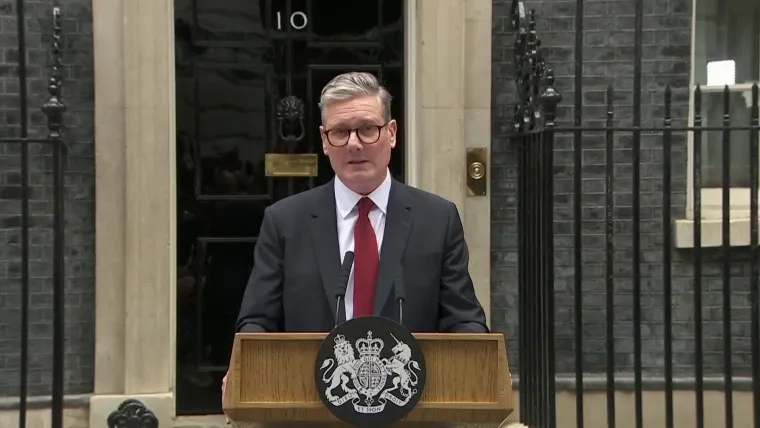
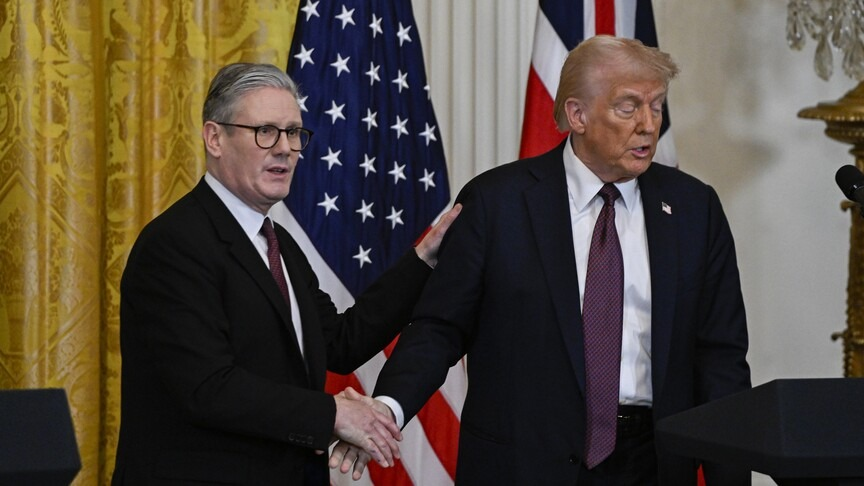
Prime Minister Keir Starmer faces one of the most challenging environments of any recent UK leader. Reform UK’s rise has forced Labour to shift rightward on immigration to prevent further political erosion.
This context is critical to understanding the aggressive tone of Interior Minister Shabana Mahmood’s declaration:
“I’ll end the UK’s golden ticket for asylum seekers.”
The government’s message is clear:
The era of easy, automatic long-term protection is over.
Why Denmark Became the UK’s Model
Denmark is widely regarded as Europe’s strictest country for asylum protection. Its model is designed to:
- Discourage irregular migration
- Limit pathways to permanent settlement
- Prioritise removal once home countries stabilise
- Restrict social benefits
- Maintain temporary, not permanent, protection
Denmark’s approach has been controversial and criticised by humanitarian groups and the UN. Yet politically, it has been effective at reducing public pressure.
The UK now seeks to replicate that political outcome.
Cutting Refugee Protection From 5 Years to 30 Months
What This Shorter Protection Really Means
Under the previous system:
- A refugee received 5 years of protection
- After 5 years, they could apply for Indefinite Leave to Remain (ILR)
- After ILR, they could apply for citizenship
Under the new system:
- Protection is cut to 30 months
- It will undergo regular review
- A refugee can be returned if their country is deemed safe
- Protection becomes temporary, unstable, and conditional
A shorter protection period aligns with the Danish philosophy that asylum is not a pathway to permanent residency but a temporary safeguard until repatriation becomes possible.
What does this mean for refugee lives?
- Less security
- Greater fear of deportation
- More frequent legal reviews
- Weak integration prospects
- Long-term disruption for families
Refugees may spend decades in limbo, never fully settled yet unable to return home safely.
The New 20-Year Settlement Timeline
How This Redefines the Refugee Experience
One of the most dramatic changes is the extension of the settlement pathway.
Instead of five years, refugees must now wait 20 years before applying for permanent residency.
This mirrors aspects of long-residence rules outlined by UK Visas and Immigration (UKVI), but it applies specifically to asylum — a drastic shift.
A 20-year pathway raises questions:
- How can an individual plan a career with immigration status constantly under review?
- Can refugees truly integrate when their future is uncertain for two decades?
- Will employers hesitate to hire them?
- What about education access? Homeownership? Community stability?
This policy appears designed not only to deter arrivals but to reduce the attractiveness of the UK as a destination for asylum seekers.
However, research consistently shows that people fleeing conflict do not base their migration decisions on such technicalities.
Ending Guaranteed Housing and Allowances
Revoking the Statutory Duty to Support Asylum Seekers
Perhaps the most consequential and least understood change is the removal of the statutory duty — established under the 2005 Asylum Support Regulations — requiring the government to provide:
- Housing
- Weekly financial assistance
- Basic living support
Under the new framework:
Support becomes discretionary, meaning:
- Asylum seekers who can work may receive nothing
- Those with minor criminal records can be denied support
- Accommodation is no longer an entitlement
- Vulnerable individuals may be left without guaranteed protection
This represents a fundamental philosophical shift:
From welfare-based asylum support → to merit-based conditional assistance.
The Migration Observatory at the University of Oxford has repeatedly highlighted that asylum seekers often endure months or years without the right to work — making removal of support potentially devastating.
Human rights groups warn that this will:
- Increase homelessness
- Encourage informal labour exploitation
- Strain local charities
- Create public health risks
Record-High Asylum Claims — The Statistical Backdrop
Analysing the Numbers Behind the Reform
Asylum claims in the UK have reached:
- 109,343 applications in the year ending March 2025
- A 17% increase from the previous year
- 6% above the previous peak in 2002
Politically, these numbers drive the narrative of a system under strain.
But internationally?
The UK still receives fewer asylum applications than Germany, France, and Spain, according to the European Union Asylum Agency.
Understanding the numbers in global context is essential — the rise is significant, but the UK is far from Europe’s top recipient.
The Humanitarian Backlash
Civil Society’s Response to the Reform
More than 100 British charities have signed a joint letter warning that the asylum overhaul will:
- Increase racism
- Fuel xenophobia
- Drive refugees into destitution
- Create long-term instability
- Undermine community cohesion
The UNHCR has also issued consistent warnings against deterrence-based systems, arguing they violate core principles of international refugee protection.
Enver Solomon of the Refugee Council criticised the reforms, saying:
“Refugees who contribute to Britain should be allowed to build secure, settled lives.”
Channel Crossings — The Political Flashpoint
Why the Government Cannot Ignore This Issue
With more than 39,000 migrants crossing the English Channel this year — despite previous deterrence measures — the government faces immense pressure.
The crossings have become:
- A symbol of border insecurity
- A political weapon for opposition parties
- A key concern for voters
- A media fixation
The surge in crossings has strengthened Reform UK and pushed Labour into a more enforcement-heavy stance on immigration.
The asylum overhaul is, in many ways, a response to small-boat politics.
Will the Overhaul Work? A Critical Assessment
What Migration Research Tells Us
Decades of immigration research show that deterrence-focused asylum policies rarely reduce irregular arrivals. Why?
- Migrants fleeing war do not weigh technical policy details
- Smugglers adapt faster than governments
- Reducing protections makes asylum seekers more vulnerable, not less likely to travel
- Safe routes remain limited—forcing irregular journeys
The UK risks implementing policies that satisfy political narratives but fail in practical outcomes.
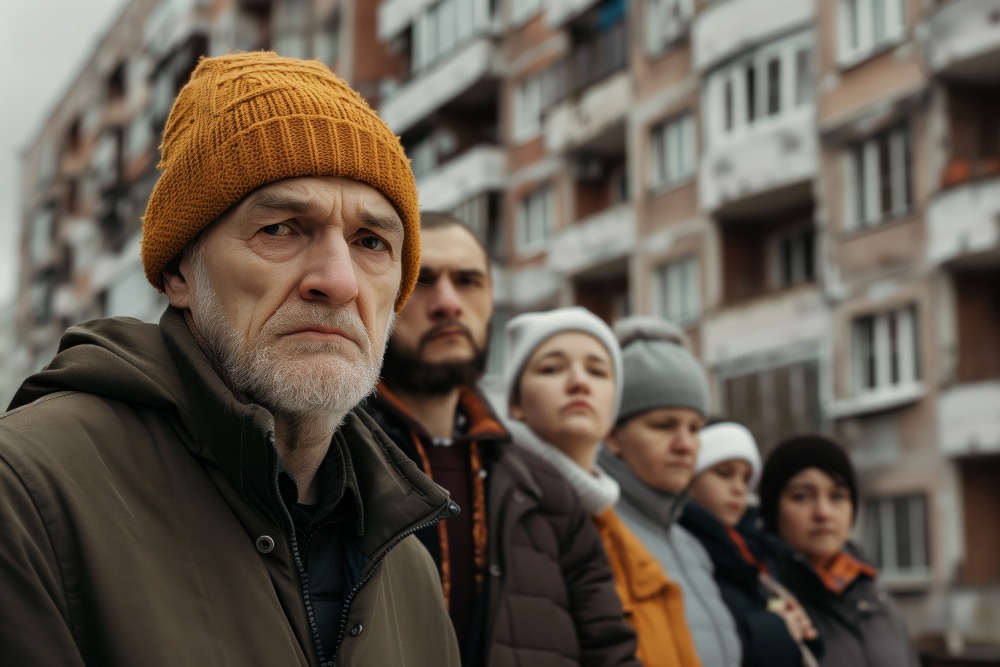
The Human Cost of Temporary Protection
Living in Limbo — A 20-Year Uncertainty
What does life look like for a refugee under this new system?
- Temporary status for decades
- Difficulty finding stable employment
- Limited access to long-term housing
- Anxiety about sudden return
- Family separation risks
- No pathway to full integration
These human consequences are often lost in political rhetoric.
International Comparisons and Global Implications
Where the UK Now Stands in the Global Asylum Landscape
Globally, asylum systems are shifting toward restriction:
- Australia’s offshore processing
- Denmark’s temporary protections
- Greece’s hardened border controls
- Italy’s port closures
- EU states tightening frameworks
The UK’s policy now aligns with the restrictive end of this spectrum — signalling a broader geopolitical shift away from humanitarian obligations.
Conclusion: A Historic Recalibration With Uncertain Outcomes
The UK’s new asylum overhaul marks a defining moment in the nation’s immigration history. It is a bold, politically charged, and controversial attempt to reshape refugee protection, respond to public pressure, and deter irregular migration.
Yet the critical question remains:
Will it work — or will it create deeper humanitarian and social problems?
What is undeniable is that the UK has moved into a new era of immigration policy — one defined by deterrence, conditionality, and long-term uncertainty.
The coming years will reveal whether this transformation delivers the stability the government seeks or amplifies the challenges it aims to solve.