Synopsis: The UK Home Office’s August 11, 2025 ban blocks dozens of Merchant Category Codes on Aspen cards, preventing asylum seekers from buying items labelled as “luxuries.” With weekly support often under £10, charities say the measure is impractical and punitive. This blog examines the policy, humanitarian concerns and political implications.
A Policy That Raises Eyebrows
On 11 August 2025, the UK Home Office enacted a sweeping ban on asylum seekers using their Aspen prepaid cards to purchase a long list of goods and services deemed “non-essential.” From snowmobiles to flowers, the restrictions highlight a stark contrast between political rhetoric and the actual reality of asylum seekers living in deep poverty.
According to the UK Home Office, individuals in asylum accommodation receive only £9.95 per week if meals are provided, or £49.18 per week if they must self-cater. How then can they realistically afford “luxuries” such as boat rentals, furs, or timeshares? The policy raises critical questions about whether this is a genuine financial safeguard or a symbolic gesture targeting a politically sensitive group.
Topics Discussed
- The New Ban: What It Covers and Why
- Aspen Cards: The Mechanism of Control
- Humanitarian Concerns and Charity Responses
- Public Perception and Political Context
- Real-Life Struggles of Asylum Seekers
- Implications for UK Immigration Policy

The New Ban: What It Covers and Why
Luxury or Farce?
The new policy prohibits spending on hundreds of goods and services via Merchant Category Codes (MCCs), the banking industry’s way of classifying transactions. These include:
- Armoured cars
- Snowmobiles
- Timeshares
- Flowers
- Audio books
- Toys and cards
- Even aquarium entry and carnival tickets
The inclusion of items like baby toys, audio books, and photocopying has been particularly criticized. Critics ask: are these truly “luxuries,” or tools of education and childhood development?
Government Justification
In the official Home Office document, the rationale is framed as safeguarding public funds:
“These restrictions are designed to uphold the integrity of public assistance programmes by preventing expenditure on goods and services that fall outside the scope of essential living needs.”
But if the allowance itself barely covers toiletries, bus fares, or children’s food, the credibility of the ban comes under question.
Aspen Cards: The Mechanism of Control
What Are Aspen Cards?
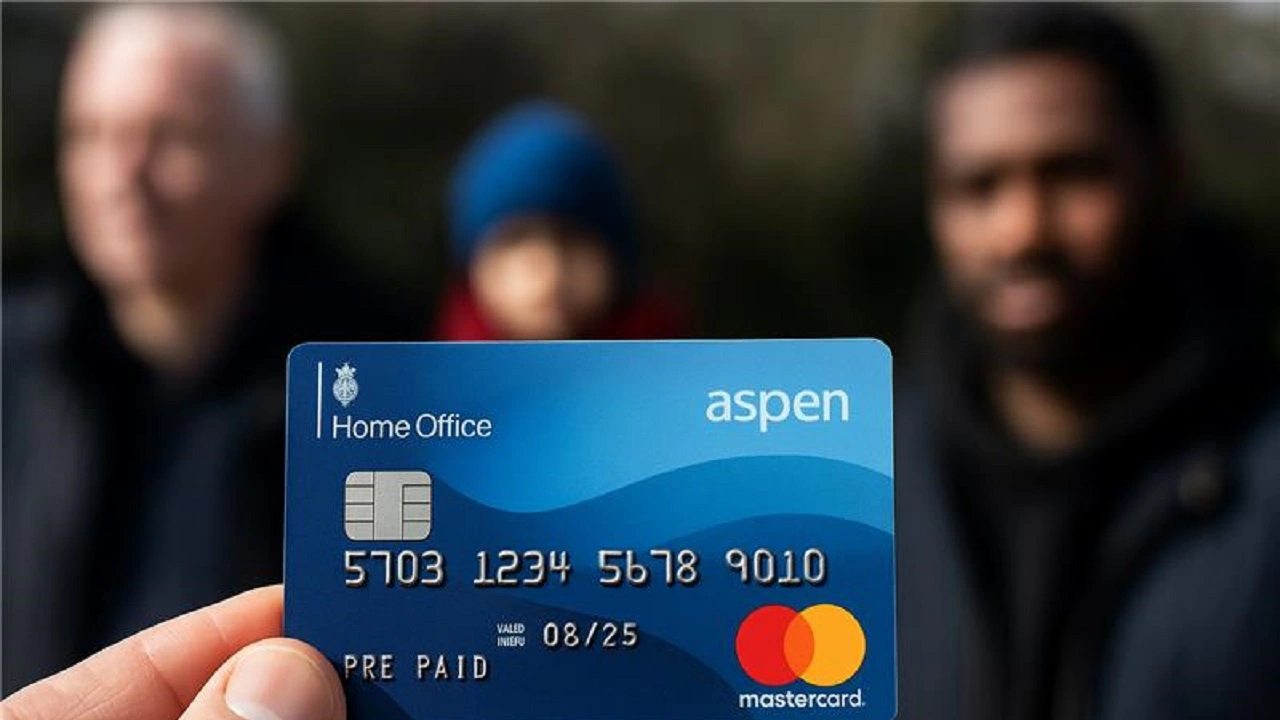
Aspen cards are pre-paid debit cards issued to asylum seekers, loaded weekly with their allowance. They can be used in shops, at ATMs, and for selected services.
However, the House of Commons Library highlights that Aspen cards already limit autonomy. Purchases are traceable, spending patterns monitored, and cash withdrawals restricted.
Blocking MCCs
The August 2025 ban takes this monitoring a step further, automatically declining purchases coded as “luxury.” While this prevents misuse, it also risks humiliating individuals when their card is declined for something as trivial as a haircut or library fine.
Humanitarian Concerns and Charity Responses
Care4Calais’ Perspective
Steve Smith, CEO of Care4Calais, condemned the policy as:
“Out of touch with the realities of life for people seeking sanctuary in this country.”
Volunteers regularly distribute essentials—deodorant, socks, school uniforms—because allowances cannot stretch that far. Restricting access further, critics argue, makes life deliberately “miserable.”
Evidence of Poverty
- Parents cannot afford clothing beyond flip-flops and T-shirts, even in freezing conditions.
- Children often reject hotel food as too spicy, forcing families to use allowances for alternative groceries.
- Payments for basics like a £1.70 library fine have been declined due to category restrictions.
Charities warn these bans deepen dependency and strip away dignity.
Public Perception and Political Context
Symbolic Politics
Observers suggest this policy is less about finance and more about optics. In the wake of rising political pressure to reduce migration, ministers may be using the “luxury” ban as a signal to voters that asylum seekers are tightly controlled.
Yet, as the Migration Observatory at Oxford University points out, asylum seekers already face some of the lowest financial support levels in Europe. Framing them as potential abusers of public funds risks fueling anti-migrant sentiment.
A Labour Government Under Fire
Notably, this ban was introduced under a Labour government—traditionally seen as more progressive on social justice. Critics argue this represents a hardening stance on immigration, designed to counter public fears about “open door” policies.
Real-Life Struggles of Asylum Seekers
Case Studies Highlight the Disparity
- An asylum seeker unable to pay a haircut fee with their Aspen card.
- Parents walking their children to school without winter coats.
- Volunteers stepping in to provide nappies, shoes, and potties for families in hotels.
These examples contrast sharply with the government’s claim that the policy prevents frivolous spending.
The Poverty Paradox
According to the Refugee Council, asylum seekers are barred from working while awaiting claims, leaving them wholly dependent on allowances. The paradox is clear: individuals unable to earn money are simultaneously criticized for how they spend their tiny stipends.
Implications for UK Immigration Policy
Policy Beyond Economics
At its core, this ban is more symbolic than economic. The cost of asylum support is a fraction of the overall immigration budget, yet the policy sends a message of strictness.
Potential Consequences
- Social Polarization: Reinforces the perception that asylum seekers are a financial burden.
- Human Rights Concerns: Risks breaching dignity and basic rights to autonomy.
- Administrative Burden: Monitoring purchases adds bureaucracy without clear benefits.
International Comparison
Other European nations, such as Germany and Sweden, allow more flexible cash-based support. By contrast, the UK’s ban risks isolating asylum seekers further and undermining integration prospects.
The United Nations High Commissioner for Refugees (UNHCR) has repeatedly urged states to ensure asylum policies respect dignity and basic human needs—a standard the UK risks falling short of.
Conclusion: Restriction or Ridicule?
The Home Office’s ban on “luxury” goods for asylum seekers raises more questions than it answers. With allowances set at less than £10 per week for many, the idea that asylum seekers could spend on furs, timeshares, or snowmobiles seems implausible. Instead, the ban appears designed to send a political message rather than address a real problem.
Critics argue it undermines dignity, restricts autonomy, and distracts from more pressing debates about housing, processing delays, and integration. If the goal is to ensure accountability, shouldn’t the focus be on improving asylum infrastructure rather than restricting access to flowers or library services?
The debate highlights a crucial tension: between fiscal accountability and human compassion. For a government seeking to balance public perception with international obligations, this policy may ultimately be remembered less for its economic logic and more for its symbolic excess.