Synopsis: The Britain asylum overhaul 2025 marks one of the most dramatic shifts in UK refugee policy. This analysis breaks down the political drivers, rising anti-immigration sentiment, new settlement timelines, ECHR reinterpretations, and the long-term impact on refugees, legality, and public confidence.
Why the UK’s Asylum Overhaul Matters Now
The United Kingdom has entered one of the most transformative periods in its modern immigration history. Amid rising public anxieties, record numbers of asylum claims, and mounting political pressure from populist movements, the Labour government has unveiled what it describes as the most sweeping asylum overhaul of contemporary times. This reform aims to tighten the interpretation of human rights protections, dramatically extend settlement timelines for refugees, and accelerate removals of failed asylum seekers. The government argues that these measures are necessary to restore public trust and protect vulnerable individuals from exploitation — a position echoed cautiously in several international assessments, such as those published by the UNHCR.
At the same time, the proposed overhaul has sparked fierce debate across political, legal, and humanitarian circles. Critics warn that the changes risk undermining Britain’s long-standing commitment to refugee protection, straining relations with international partners, and inflaming social division. The future of British immigration — and the public’s trust in it — now depends on how effectively the government can balance control with compassion.

The Political Climate Driving the Overhaul
The Rise of Anti-Immigration Sentiment
Over the past two years, immigration has climbed to the top of voter concerns in the UK, overtaking the economy, the National Health Service, and crime. Public frustration has been visibly shaped by the growing number of small-boat crossings across the English Channel — images that have become emblematic of what many perceive as a loss of border control.
Opinion surveys reflect this shift clearly. Data shared by the Migration Observatory at the University of Oxford shows a consistent upward trend in public concern around asylum and illegal migration. The rise of online activism, media commentary, and political rhetoric has further amplified unease, creating a climate in which bold policy changes appear not only politically advantageous but necessary.
A large segment of the British public now supports more stringent border controls, partly due to the belief that the asylum system is too permissive, too slow, and too vulnerable to misuse. This sentiment has strengthened calls for reform across the political spectrum.
Reform UK’s Influence on Labour’s Policy Direction
The rapid rise of Reform UK — led by veteran anti-EU campaigner Nigel Farage — has reshaped Britain’s political landscape. Once perceived as a fringe movement, Reform now commands double-digit national polling figures, largely driven by a hard-line stance on immigration.
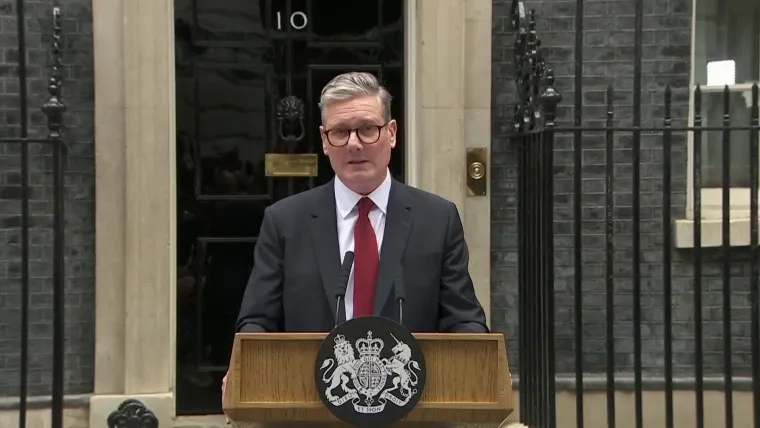
Reform UK argues that illegal migration can be stopped with firmer legislation, greater border enforcement, and a complete withdrawal from the European Convention on Human Rights (ECHR). Keir Starmer’s Labour government, while rejecting withdrawal from the ECHR, is under undeniable pressure to respond.
Labour’s asylum overhaul appears to be an attempt to regain political control and counter the narrative that it is “soft” on borders. By proposing more stringent rules than many expected from a centre-left administration, Labour aims to assure the public that it can be both compassionate and strict — though critics argue this balance is increasingly difficult to achieve.
Public Concerns Around Illegal Channel Crossings
More than 29,000 people crossed the Channel in small boats in the previous year, a figure that — although fluctuating — continues to fuel front-page headlines. To many voters, this is the most visible sign of irregular migration.
The government insists the new asylum overhaul is partly designed to reduce these crossings by removing what it sees as “pull factors” in the system. Prime Minister Starmer has stated unequivocally that Britain’s existing asylum rules are “too permissive” compared to other European countries and were not designed for modern levels of global displacement.
The Most Sweeping Asylum Reform of Modern Times
The New 20-Year Settlement Requirement
One of the most dramatic changes is the decision to extend the time refugees must wait before becoming eligible for permanent settlement — from five years to 20 years. This quadrupling marks one of the longest settlement paths in the Western world.
The government argues this is necessary to deter “abuse” of the asylum system, ensure integration is meaningful, and discourage non-genuine claims. Critics counter that such a long waiting period undermines stability, increases mental health risks, and contradicts best-practice refugee integration models endorsed by international bodies.
Proposed Visa Bans on Non-Compliant Countries
The government has threatened visa bans on Angola, Namibia, and the Democratic Republic of Congo (DRC) if they fail to cooperate in accepting the return of illegal migrants and foreign criminals.
The rationale is simple: removals cannot function if origin countries refuse to receive deportees. However, foreign policy experts warn that such bans could strain diplomatic partnerships, create retaliatory measures, and further complicate global mobility agreements.
Britain’s Comparison with EU Asylum Numbers
In the year ending March, the UK received 109,343 asylum claims — a 17% increase from the previous period. Yet Britain still receives fewer asylum applications than peers such as France, Germany, Italy, or Spain.
The UK government argues that while numbers are smaller than Europe’s, the public perception of disorder, inefficiency, and unfairness makes the issue politically sensitive.
Redefining Human Rights Protections
Changes to Article 8 — A Stricter Interpretation of Family Life
The government proposes a more limited reading of Article 8 of the ECHR, which protects the right to family life. It seeks to define “family” exclusively as immediate relations — parents or children — to prevent individuals from using extended or distant ties to avoid deportation.
According to legal specialists and guidance from the Council of Europe, Article 8 is intentionally broad to account for diverse family structures. Narrowing its interpretation could lead to legal clashes, increased appeals, and deeper scrutiny of the UK’s commitment to human rights law.
Proposed Review of Article 3 and Deportation Safeguards
Article 3 of the ECHR prohibits torture or inhuman treatment. The UK government argues the definition has expanded “beyond what is reasonable,” making it too easy to challenge deportations on humanitarian grounds.
This is one of the most contentious proposals. Human rights experts warn that revisiting Article 3 risks weakening fundamental protections — especially for vulnerable individuals fleeing persecution or violence. The UNHCR has previously highlighted the importance of Article 3 in ensuring refugees and asylum seekers are not returned to unsafe conditions.
The Debate Over ECHR Compliance
Labour insists it will not withdraw from the ECHR, but Reform UK and some Conservative factions argue that meaningful reform is impossible while the UK remains bound by it. The government’s attempt to reinterpret Articles 3 and 8 without formally leaving the ECHR is legally complex and will likely be tested in British courts.
The Data Behind the Debate
Asylum Claim Trends and a 17% Rise in Applications
Asylum claims have risen by 17% year-on-year, reflecting increased global displacement. Yet, the UK remains behind many European countries in overall asylum intake.
This nuance is often missing from political debate, which focuses more on visible irregular migration than broader humanitarian trends.
Net Migration Figures and the Fall from 906,000 to 431,000
Net migration in the UK hit a record 906,000 in the year to June 2023. In response to tighter rules, it fell to 431,000 in 2024, according to the Office for National Statistics (ONS).
A significant portion of this decline is attributed to restrictions on student dependants, skilled worker reforms, and enforcement actions targeting abusive or fraudulent routes.
Legal vs. Illegal Migration — What the Numbers Actually Show
The government emphasises illegal migration, but most migrants arrive legally through work, study, family, or humanitarian routes. Long-term public frustration stems from a perception that the system is both too generous and too chaotic — a contradiction that complicated policy narratives must now confront.
Criticism, Concerns, and Humanitarian Pushback
Arguments from Lawyers, MPs, and Rights Advocates
Senior lawyers, including Labour’s own members, argue the proposals risk creating a “two-tier” asylum system that disadvantages genuine refugees. They contend the reforms are politically motivated rather than evidence-based.
Fears of Rising Social Division and “Dark Forces”
Shabana Mahmood has warned that an asylum system vulnerable to abuse fuels anger and empowers “dark forces” — referencing extremist groups, racist incidents, and anti-migrant protests outside hotels.
Human rights organisations counter that hostile rhetoric itself emboldens such groups. Balancing these competing risks remains a central policy challenge.
Public Consent and the Future of Britain’s Refugee System
Mahmood argues that unless the government acts decisively, the UK risks “losing popular consent” for having an asylum system altogether. Advocates respond that consent must be built through fairness and clarity — not punitive measures.
What These Changes Mean for the Future of UK Immigration
Implications for Refugees and Asylum Seekers
Refugees may face decades of uncertainty under the 20-year settlement rule. Families could endure prolonged separation due to tighter Article 8 interpretations. Deportations may increase, but appeals and legal challenges are likely to rise as well.
Possible Political Fallout for Labour and the Opposition
Labour risks alienating both its progressive base and centre-right swing voters. Reform UK is likely to continue capitalising on public anger, while Conservatives may push for even stricter measures — especially around the ECHR.
International Relations and Compliance with Global Norms
Cooperation with African nations may strain under potential visa bans. International observers — including the UNHCR and OECD — will carefully scrutinise whether the reforms remain consistent with humanitarian standards and global commitments.
Conclusion — The UK at a Crossroads
The UK’s asylum overhaul is more than a policy update — it is a defining moment in the nation’s immigration trajectory. The balance between control, compassion, and legality has never been more delicate. How the government implements these reforms, navigates legal challenges, and communicates its intentions will determine whether the UK emerges with a fairer, more trusted system — or a fractured, contested one.
As public pressure intensifies and global migration evolves, the UK must ensure that security and humanity coexist. The world is watching.