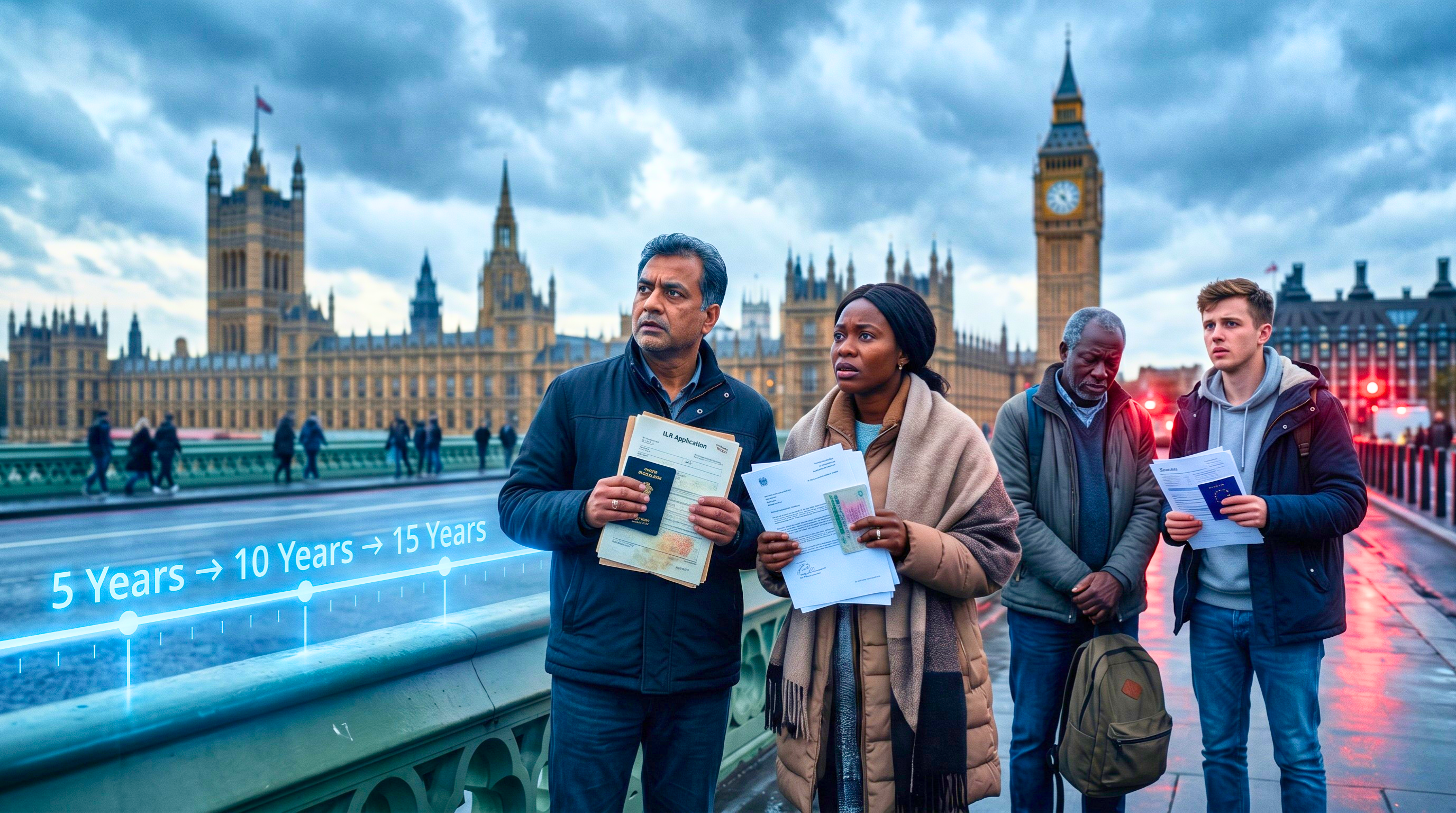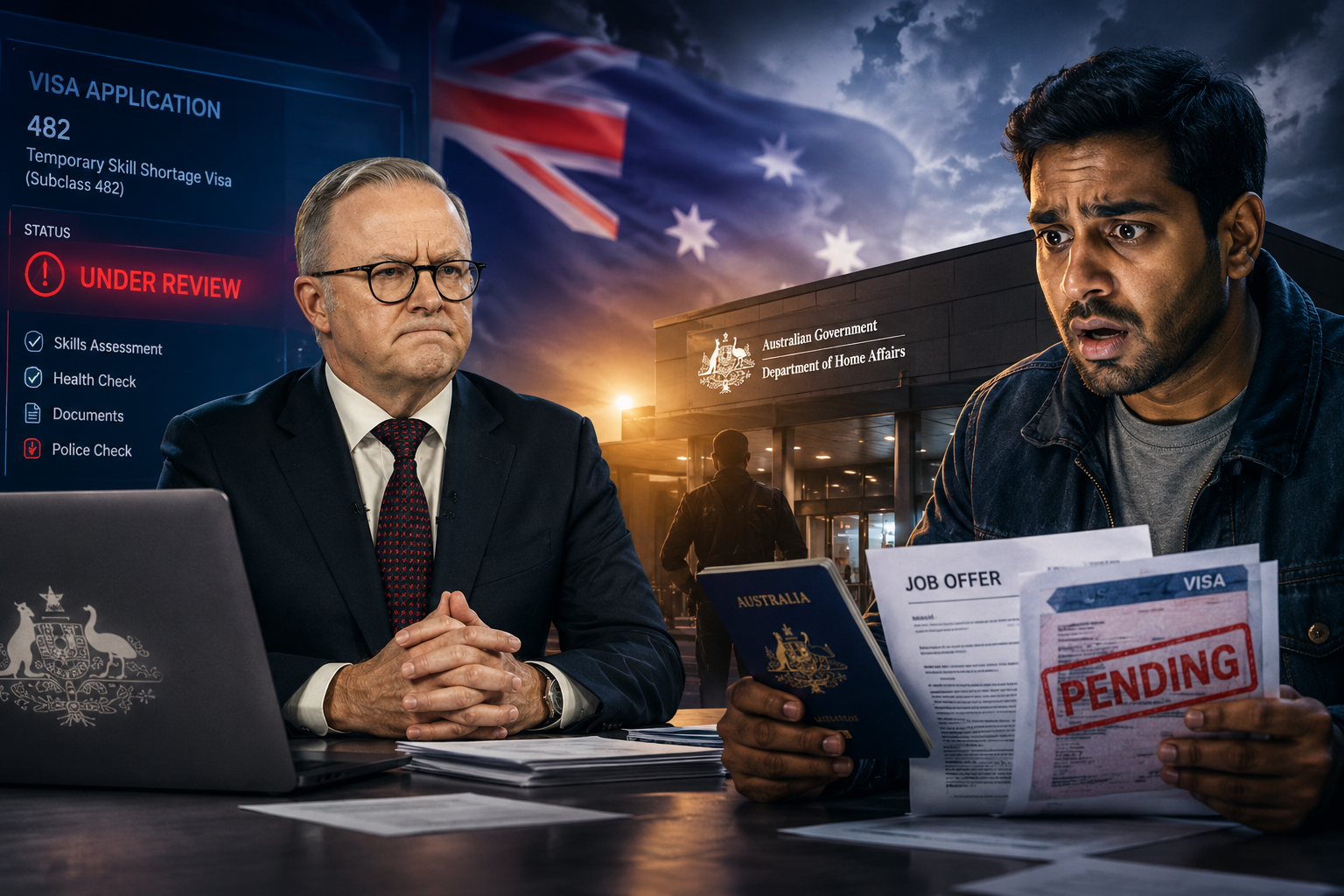
Synopsis: This July 2025 update examines Australian immigration July 2025 policy updates: the 462 Work & Holiday visa ballot opens for India, South Australia invites 858 innovation visa nominations, offshore subclass 190/491 refusals surge, and Suzanne Lei’s migrant‑leader debate intensifies amid rising fees and quota resets.
A Crucial Turning Point for Australian Immigration
As July begins, Australia’s immigration landscape faces both opportunity and uncertainty. From the opening of the Work and Holiday (subclass 462) visa ballot for India to new nomination pathways like South Australia’s 858 visa, changes are reshaping migration in 2025. However, offshore applicants continue to face frustrating hurdles, particularly those affected by refusals of subclass 190 and 491 visas.
This mid-year juncture is especially significant due to Australia’s annual visa quota resets, leading to a renewed surge of grant letters for skilled migrants. Amidst these developments, the rise of Suzanne Lei—Australia’s first female opposition leader and a migrant herself—adds a compelling political dimension to ongoing immigration discourse. These stories reflect not only policy shifts but the very real impact on the lives of thousands. According to the Australian Department of Home Affairs, visa grants are often delayed in June as quotas close, only to resume post-July.
Let’s examine the most pressing updates shaping Australia’s immigration landscape as of July 2025.
Topics Discussed in This Update:
- Key Policy Developments Effective July 1
- South Australia Opens 858 National Innovation Visa Nominations
- Work and Holiday (462) Visa Ballot Opens for India, China, and Vietnam
- The Tuvalu Ballot: Climate-Driven Migration
- Suzanne Lei’s Rise and the Migrant Identity Debate
- Offshore 190 and 491 Visa Refusals Spark Frustration

Key Policy Developments Effective July 1
Increase in Business Visa Nomination Threshold
One of the most prominent policy changes involves the rise in the Temporary Skilled Migration Income Threshold (TSMIT) for business visa nominations. As of July 1, the TSMIT has increased from AUD 73,150 to AUD 76,515. This change affects all nominations lodged after this date, signaling a tightened standard for employer-sponsored visa streams.
Visa Application Fee Increases
Visa application charges across multiple categories have risen. Notably, student visas now incur an additional AUD 2,000, making Australia one of the costliest study destinations globally. These fee hikes could potentially deter international students and skilled migrants who are already weighing options among competing destinations like Canada and the UK.
Quick Facts:
- New TSMIT: AUD 76,515 (up from AUD 73,150)
- Student visa additional fee: AUD 2,000
- Changes apply only to applications lodged on or after July 1
This policy aligns with Australia’s broader effort to balance skilled migration with economic contribution, yet it raises questions about affordability and fairness—especially for students from developing countries.
South Australia Opens 858 National Innovation Visa Nominations
The National Innovation Visa (subclass 858), which caters to individuals with exceptional talent and achievements in science, research, and industry, is now open for nominations through South Australia. Both offshore and onshore applicants can register their interest.
This move is significant in light of Australia’s growing push toward innovation-led migration. By supporting candidates with high-value contributions, South Australia aims to position itself as a hub for global talent.
For details on nomination criteria and submission process, applicants can refer to the official South Australian Government Migration portal.
South Australia’s proactive stance on innovation migration reflects a broader trend: states are increasingly tailoring visa pathways to align with regional economic strategies, especially in sectors like advanced manufacturing, clean energy, and artificial intelligence.
Work and Holiday (462) Visa Ballot Opens for India, China, and Vietnam
A Limited-Time Opportunity for Young Travelers
Australia’s highly anticipated Work and Holiday (subclass 462) visa ballot officially opened for Indian, Chinese, and Vietnamese applicants on June 24 and will close on July 15. Applicants have only three weeks to register, with the first draw scheduled for July 16.
This randomized ballot system, designed to manage high demand, will continue until April 30, 2026. With thousands of applications expected, only a limited number of visas will be granted per country.
The official details and registration process are outlined on the Department of Home Affairs website.
Why Is This Visa in High Demand?
The Work and Holiday visa allows young adults (aged 18–30) from eligible countries to live and work in Australia for up to one year, with the possibility of extension. It is an increasingly attractive option for Indian youth seeking international exposure and income opportunities—particularly amid rising unemployment and inflation at home.
However, the tight timeframe and limited allocations mean many qualified candidates may miss out despite being eligible. Critics argue that more transparency and capacity are needed to meet demand and promote fairness.
The Tuvalu Ballot: Climate-Driven Migration
In a world-first initiative, Australia has opened a dedicated humanitarian migration pathway for Tuvalu citizens, whose island nation is gradually sinking due to climate change. The program offers 280 places per year.
Already, over 3,000 Tuvaluans—nearly one-third of the nation’s population of 11,000—have entered the ballot, each paying AUD 25. Critics question why the process involves a fee at all, given the humanitarian context.
More details on Australia’s regional agreements and humanitarian obligations can be reviewed through the Pacific Engagement Visa policy page.
While innovative, the Tuvalu program faces logistical challenges. If the current pace continues, it could take nearly four decades to accommodate all applicants. Without intervention, the scheme risks becoming a symbolic gesture rather than a real solution to climate-induced displacement.
Suzanne Lei’s Rise and the Migrant Identity Debate
Suzanne Lei, the newly elected leader of the Liberal Party and Australia’s first female opposition leader, has made headlines not just for her policy views but also her identity as a migrant. Speaking at the National Press Club, Lei reflected on her journey from immigrant teenager to federal party leader.
While her personal story is inspiring, it also highlights the disconnect between political rhetoric and migrant experiences. During an SBS interview, Lei appeared unaware of why many migrants felt alienated by the Liberal Party’s past policies.
The Australian Human Rights Commission’s Race Discrimination report details the exclusionary impact certain immigration narratives can have on multicultural communities.
This contradiction points to a larger issue: representation does not automatically translate to inclusive policy. For migrants, visible leadership is just one step. Equally important is a genuine commitment to listening and reform.
Offshore 190 and 491 Visa Refusals Spark Frustration
Perhaps the most disheartening trend for prospective migrants is the rising number of refusals for offshore subclass 190 (Skilled Nominated) and 491 (Skilled Regional) visas. Applicants who have received refusals are often left without the right to appeal unless their nominating state participates in the review process—something most states currently avoid.
Common Reasons for Refusal:
- Claiming points as “single” and later getting married post-lodgment
- Inaccurate or insufficient employment documentation
- Occupational mismatch in supporting documents
- Errors made by migration agents or legal representatives
In one tragic case, a lawyer incorrectly ticked “de facto partner” for a single applicant, lowering their points and leading to an automatic refusal. The applicant was falsely assured the matter could be corrected in review—even though no review right existed due to the offshore status. This misinformation resulted in missed opportunities and further delays.
For an outline of Australia’s visa refusal and review rights, consult the Administrative Appeals Tribunal resource page.
These cases underline the critical need for accurate documentation and expert consultation. More importantly, they highlight a systemic issue: offshore applicants are disproportionately affected by rigid processes and limited recourse.
Conclusion: A Mid-Year Reset with High Stakes
As Australia resets its immigration calendar, both new opportunities and ongoing obstacles shape the road ahead. The opening of visa ballots and nomination programs offers fresh hope for many, but bureaucratic rigidity and legal oversights continue to derail legitimate applications. At the heart of it all lies a critical question: can Australia create a system that is not only merit-based but also fair, transparent, and humane?
Whether it’s a Tuvaluan seeking refuge from rising seas or a skilled worker caught in a paperwork nightmare, the policies we enact today will define the Australia of tomorrow. The next few weeks will be pivotal as stakeholders await the official release of July reforms and planning levels.
Until then, applicants must stay alert, verify documentation meticulously, and seek guidance from qualified professionals. For those impacted by recent changes, the road is challenging—but not without hope.
Frequently Asked Questions (FAQs)
1. What is the Work and Holiday (subclass 462) visa and how does the ballot system work for Indian applicants?
The subclass 462 visa allows eligible citizens from certain countries, including India, to live, work, and travel in Australia for up to 12 months. To manage high demand, Australia uses a ballot system, where applicants enter a lottery-style draw. For Indians, the 2025 ballot opened on June 24 and closes on July 15. The Department of Home Affairs randomly selects applicants throughout the year. Being selected in the ballot does not guarantee a visa—it only gives you the chance to apply. Applicants must also meet specific criteria such as age limits, education, and English language requirements.
2. Why are offshore subclass 190 and 491 visa applications often refused?
Offshore subclass 190 and 491 visas are commonly refused due to documentation errors, false claims, or mismatches in occupational duties. Some applicants lose points by changing marital status after submitting their Expression of Interest (EOI), or by submitting insufficient proof of work experience. Errors made by agents—like incorrect relationship status declarations—can also trigger refusals. Unfortunately, offshore applicants have limited rights to appeal, as most states do not support review participation. It’s vital to cross-check every document and seek professional advice before submitting the application.
3. Has the TSMIT (Temporary Skilled Migration Income Threshold) increased in 2025?
Yes, the TSMIT was increased on July 1, 2025, from AUD 73,150 to AUD 76,515. This change impacts all new employer-sponsored visa nominations, such as subclass 482 (Temporary Skill Shortage) visas. Employers must now offer this minimum annual salary to nominate foreign workers. The adjustment reflects rising living costs and aims to ensure foreign workers are paid fairly and are not undercutting local wages. Applications lodged before July 1 are not subject to the new threshold.
4. What are the eligibility criteria for the South Australia 858 visa nomination?
The 858 visa targets highly skilled individuals in science, research, arts, and academia. To qualify under South Australia’s 2025 guidelines, applicants must demonstrate an internationally recognized record of achievement, significant contribution to their field, and alignment with South Australia’s innovation priorities. Both onshore and offshore candidates can register interest. Having endorsements from national or international bodies and a clear plan for contributing to the state’s economy improves chances of nomination. Check the official Migration SA portal for current criteria.
5. How many Tuvaluans will be allowed to migrate to Australia each year?
Australia’s Pacific Engagement Visa provides up to 280 places annually for citizens of Tuvalu, whose country is under threat due to climate change and rising sea levels. The initiative is part of a broader regional climate response and humanitarian migration strategy. However, the process uses a ballot system, with over 3,000 Tuvaluans already registered. Given the nation’s population is just around 11,000, the intake pace means it could take decades to resettle everyone. Critics argue the process should be more streamlined and humanitarian-focused.
6. Why is Australia charging an extra AUD 2,000 for student visa applications?
In 2025, the Australian government introduced a AUD 2,000 surcharge for student visas, effective July 1. This increase aims to control the growing influx of international students and shift the financial burden away from taxpayers. The fee hike could discourage low-income applicants and has raised concerns about Australia’s competitiveness in the global education market. Countries like Canada and the UK have already seen success attracting international students with lower costs. Australia’s move may result in students considering alternative destinations.
7. What happens if your migration agent makes an error on your visa application?
If a registered migration agent or lawyer makes a mistake—like ticking the wrong relationship status or providing incorrect documents—it can lead to visa refusal or even permanent ineligibility. Unfortunately, the Department of Home Affairs holds the applicant, not the agent, responsible for the information submitted. In some cases, there is no right of review, especially for offshore applicants. Always request a complete copy of your application and review it thoroughly before submission. Complaints against unethical agents can be lodged with the Office of the Migration Agents Registration Authority (OMARA).
8. Can offshore applicants appeal a refused subclass 491 or 190 visa decision?
Generally, offshore applicants cannot appeal subclass 190 or 491 visa refusals unless their nominating state or territory agrees to participate in the review process. Most states explicitly state in their immigration policies that they will not support visa reviews. This creates a significant disadvantage for offshore applicants, who may be refused without any path to appeal. The only option in such cases is to submit a fresh Expression of Interest and secure nomination again. It’s essential to get the application right the first time.
9. What documents are commonly missing in skilled visa applications?
Commonly missing documents in skilled visa applications include payslips, tax returns, employment contracts, and detailed reference letters. For points-tested visas like 189, 190, and 491, it is critical to provide complete proof of employment, including matching job duties with the nominated occupation on ANZSCO. Incomplete or vague job descriptions, unsigned reference letters, or unverifiable employer information can result in immediate refusal. Always refer to the Department of Home Affairs document checklist for your specific visa subclass.
10. What are the chances of getting selected in the 462 Work and Holiday visa ballot for India?
The chances depend on how many Indians apply vs. how many spots are allocated. While the Department of Home Affairs has not publicly disclosed country-specific quotas, reports suggest that Indian applicants face stiff competition due to high demand. The random nature of the ballot means even well-qualified applicants may not get selected. To improve your odds, ensure all documents are ready and submit your registration early in the three-week period. Also, monitor official updates as the department may conduct multiple draws throughout the year.