Synopsis: As of September 2025, Australia’s visa system shows faster processing for many temporary and student visas, while skilled, partner and parent categories face significant backlogs. This article explains processing-time trends, key policy drivers such as the Skills in Demand visa and fee rises, and gives practical steps to reduce delays.
Why September 2025 Is a Turning Point in Australian Visa Processing
Australia’s immigration system has always been under global scrutiny, but the past two years have been especially significant. By September 2025, the Department of Home Affairs (DHA) has made measurable progress in cutting visa backlogs, yet not all categories have benefited equally. Some visas now move quickly — in weeks or months — while others remain trapped in bureaucratic limbo.
This shift is not random. It is the result of major government reforms, resource allocation, and the introduction of new pathways such as the Skills in Demand visa. According to the Department of Home Affairs itself, reforms are tied to Australia’s labor market demands, economic recovery, and broader population planning goals.
But what do these changes mean for applicants right now? And how should families, skilled workers, and students prepare? This blog breaks down the latest processing times, analyzes policy impacts, and offers recommendations for applicants trying to navigate Australia’s evolving immigration landscape.

General Updates: Faster in Some Areas, Slower in Others
Focus on Efficiency
In 2025, DHA committed more resources to reduce waiting times, particularly for temporary and student visas, which are crucial for economic recovery and international education. Additional staff, updated digital systems, and prioritization policies have allowed many temporary applications to be finalized in weeks rather than months.
Backlogs Remain
Despite progress, family and permanent visa categories remain burdened by older, complex cases. While temporary visa backlogs have shrunk, parent and partner visa applicants continue to face years of waiting. This uneven improvement reflects the government’s strategic prioritization: immediate economic needs are given precedence over long-term migration categories.
Policy Shifts
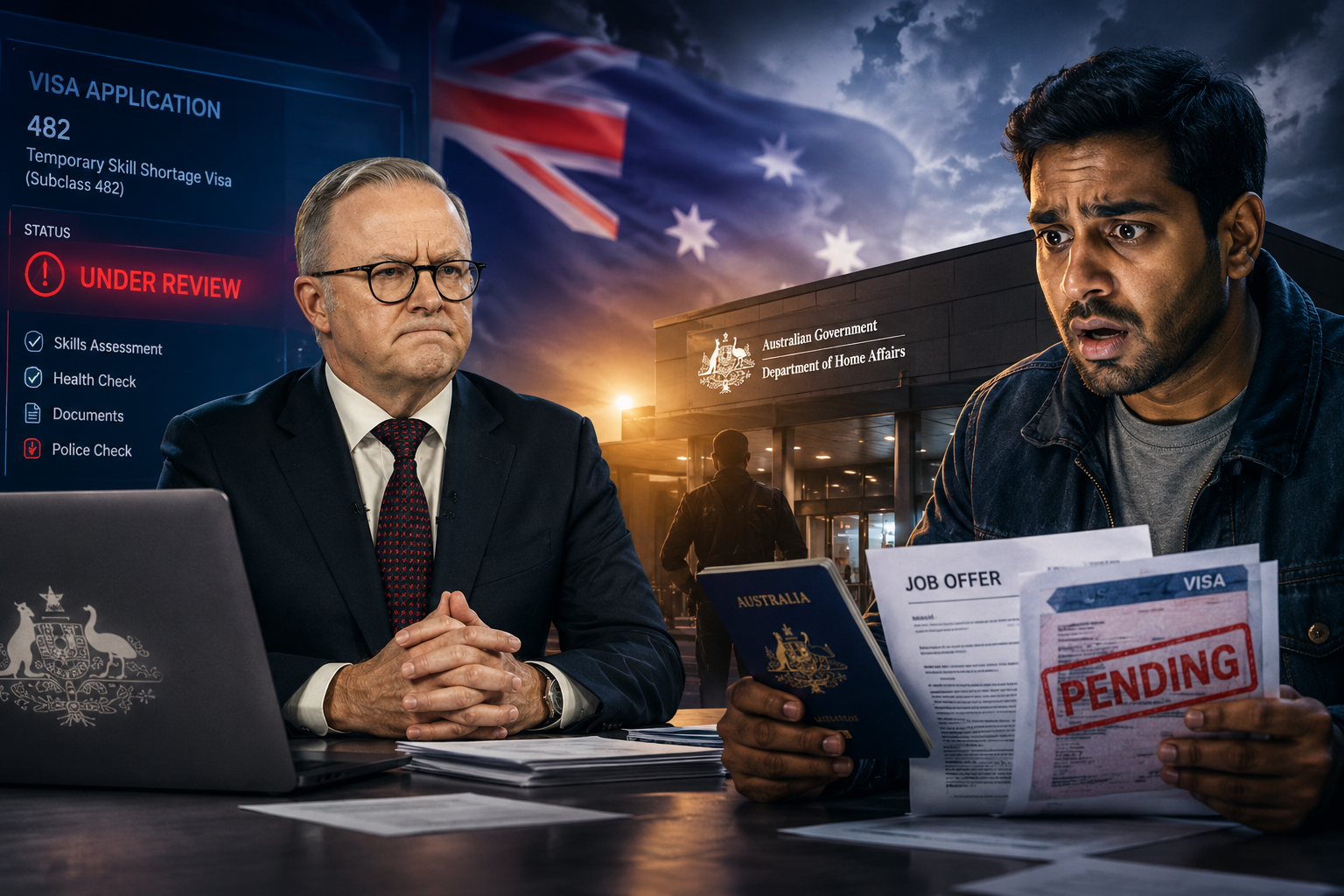
One of the most significant 2025 reforms was the replacement of the Temporary Skill Shortage (TSS) visa (subclass 482) with the Skills in Demand (SID) visa. This change was designed to provide more flexibility, streamline employer sponsorship, and align with new salary thresholds. For applicants, the SID visa means both opportunities and new compliance challenges.
Higher Costs
As of 1 July 2025, visa application charges increased across most subclasses. For many applicants, especially families applying for partner or parent visas, this increase has added thousands of dollars in costs. Combined with the long processing times, this has sparked debate over the accessibility and fairness of Australia’s immigration system.
Skilled Visas: Australia’s Backbone for Economic Growth
Skilled Independent Visa (Subclass 189)
By September 2025, median processing for subclass 189 is down to around 8 months. This improvement reflects DHA’s targeted allocation of resources and higher quotas for skilled migration. However, competition remains intense, and the rising income threshold introduced in July 2025 adds a financial barrier for many applicants.
Skilled Nominated Visa (Subclass 190)
Subclass 190 continues to struggle with backlogs carried over from 2023 and 2024. Although 33,000 places were allocated for the 2024–25 program year, new applicants are unlikely to see quick processing due to priority being given to older files. Some applicants report delays exceeding 18 months, particularly in states with high demand.
Skilled Work Regional (Provisional) Visa (Subclass 491)
The subclass 491 visa has an allocation of 28,500 places for 2024–25, but backlogs mirror those in subclass 190. Applicants aiming for permanent residency through this pathway face uncertainty, particularly as regional demand fluctuates and state nomination requirements become stricter.
Employer Nomination Scheme (Subclass 186)
Subclass 186 visa processing varies dramatically: some streams finalize in 3 months, while others take up to 12 months. Processing speed depends heavily on whether an applicant is already in Australia, the occupation, and whether all documents are complete at lodgement.
The New Skills in Demand (SID) Visa
Replacing the subclass 482 TSS visa, the SID visa has three salary-based streams:
- Core Skills Stream – targeting critical shortage areas.
- Essential Skills Stream – for lower-salary occupations under specific agreements.
- Specialist Skills Stream – for high-salary roles in cutting-edge industries.
While designed to be more responsive, early reports suggest applicants are facing challenges adjusting to salary thresholds and employer compliance rules, adding new layers of complexity.
Family and Partner Visas: Long Waits, High Costs
Partner Visas (Subclasses 309/100 and 820/801)
Average processing times now range from 9 to 24 months, but older or complex applications can still take years. Increased scrutiny of fraudulent applications and demand outpacing quotas contribute to the delays.
Prospective Marriage Visa (Subclass 300)
For couples planning to marry in Australia, the subclass 300 visa takes 12–16 months. While this is shorter than some partner visas, applicants still face prolonged uncertainty, especially if wedding plans are tied to visa outcomes.
Parent Visas
Perhaps the most challenging category:
- Contributory Parent Visas face queues stretching over a decade due to limited places.
- Sponsored Parent (Temporary) Visa (Subclass 870) offers a shorter route, with processing between 70 days and 5 months, but this option is temporary and comes with renewal costs.
The imbalance between demand and available quotas highlights the government’s preference for skilled migration over family reunification.
Student and Temporary Visas: A Mixed Picture
Student Visas
Thanks to Ministerial Direction No. 111, student visas are prioritized. Most are finalized in 23 days to 5 months, depending on application completeness. However, rejection rates have increased, particularly for applicants unable to demonstrate genuine intent, strong financial backing, or compliance with academic requirements.
Visitor Visas
These remain among the fastest: many are finalized within 24 hours, although official timelines vary from 6 to 41 days. Post-pandemic tourism recovery and streamlined online applications have contributed to this efficiency.
Recommendations for Applicants
Lodge a Complete Application
One of the simplest but most critical steps: ensure your application is complete. Missing documents or unclear evidence can add months of delay. Applicants should use the ImmiAccount portal checklists before submission.
Monitor Official Sources
Applicants often waste months waiting for email responses from DHA. Remember: the department does not respond to inquiries if your application is within the published timeframe. Regularly check the Global Visa Processing Times page for updates.
Prepare for Policy Changes
With the SID visa, higher income thresholds, and rising fees, applicants must stay ahead of reforms. Consulting with registered migration agents or reviewing updates on the Migration Institute of Australia can help navigate evolving requirements.
Consider Alternative Pathways
For family applicants stuck in long queues, temporary options like the Subclass 870 Sponsored Parent visa may provide a bridge. Skilled workers may also benefit from state or regional nomination if federal quotas are oversubscribed.
The Bigger Picture: Australia’s Migration Strategy
Australia’s reforms are not simply about reducing wait times. They are part of a broader strategy to align migration with labor market needs and population planning. In 2025, the government signaled clear preferences:
- Skilled migration is prioritized over family reunification.
- Student visas are processed quickly to sustain the education sector.
- Temporary pathways are emphasized over permanent ones for flexibility.
This raises pressing questions:
- Is Australia striking the right balance between economic priorities and humanitarian commitments?
- Will the focus on salary thresholds and high-skill occupations exclude those who can still contribute meaningfully?
- How sustainable is the reliance on temporary visas over permanent settlement?
The answers will shape not only visa applicants’ futures but also the social and economic fabric of Australia in the coming decades.
Conclusion: Strategy, Patience, and Preparedness
As of September 2025, visa applicants face a system that is both improving and frustrating. Temporary and student visas are faster, skilled migration pathways are being reshaped, but family categories remain weighed down by queues and costs.
For applicants, the strategy is clear:
- Be proactive — lodge complete applications.
- Stay informed — check official sources regularly.
- Plan financially — account for higher fees and longer waits.
- Explore alternatives — temporary visas may provide interim solutions.
Australia remains one of the world’s most sought-after destinations, but gaining entry in 2025 requires resilience, adaptability, and preparation. The government’s focus on efficiency is promising, yet until backlogs are fully addressed, applicants must brace for delays.