Synopsis: Amid U.S. visa uncertainties, Australia signals support for displaced students. But the Australian system itself is shifting: a $2,000 non-refundable visa fee, new processing quotas, refusal spikes, and a major IM account security upgrade are altering the landscape. Plus, new guidance clarifies how spouses and children can be added to visa applications.
A Global Policy Shift Hits Home for International Students
As U.S. immigration policy under President Trump takes a sharp turn—with proposals to scrutinize visa applicants’ social media—Australia finds itself in an unexpected spotlight. In contrast to restrictive American moves, Australian universities are reaching out to international students affected by U.S. visa freezes. Yet, at home, Australia’s own student visa system is also undergoing major changes, bringing both opportunities and risks.
Topic Discussed
- Australia Steps Up: Universities Welcome Displaced U.S.-Bound Students
- The New $2,000 Student Visa Fee
- Ministerial Direction 111: Quotas You May Not Know About
- Rejection Rates Rise for Vocational Pathways
- IM Account Security Gets Major Upgrade
- Adding Spouses and Children: What the Law Really Allows

Australia Steps Up: Universities Welcome Displaced U.S.-Bound Students
Responding to U.S. Policy Uncertainty
With the U.S. halting student visa processing to inspect applicants’ social media, Australian universities are positioning themselves as a reliable alternative. As reported in The Australian, universities are ready to support both returning Australian citizens and displaced international students seeking academic continuity.
Luke Shei, head of Universities Australia, reinforced this sentiment, stating that the institutions are “prepared to support students whose plans have been disrupted by foreign policy shifts.”
This public stance highlights Australia’s desire to strengthen its position in global education, even as internal visa systems face increasing scrutiny.
The New $2,000 Student Visa Fee
Financial Burden Without Refund Guarantees
Starting July 1, all student visa applicants must pay a $2,000 fee—non-refundable, regardless of approval or rejection. This policy has sparked concern, especially in light of Department of Home Affairs data showing high rejection rates for applicants from India and China.
For many, this fee could mean investing significant money without assurance of study rights. Critics argue the measure disproportionately affects students from lower-income backgrounds and funnels revenue to the federal government without sufficient accountability.
Ministerial Direction 111: Quotas You May Not Know About
How Quotas Quietly Delay Applications
Under Ministerial Direction 111, visa applications are assessed within pre-set quotas per institution. Once a university hits its cap, no further applications are processed—regardless of merit—until space becomes available.
This system is not well-publicized and often omitted by education agents during counseling sessions. Applicants who pay the full visa fee may face indefinite delays or even voluntary withdrawal out of frustration.
Rejection Rates Rise for Vocational Pathways
Indian and Chinese Students Face Higher Risks
Freedom of Information data from March 2025 reveals concerning refusal rates: 68.8% for Indian applicants and 52.1% for Chinese applicants in vocational education. These figures underscore the importance of choosing accredited, high-demand programs—and verifying institutional caps before applying.
The numbers point to a growing gap between marketing messages and actual success rates.
IM Account Security Gets Major Upgrade
Multi-Factor Authentication Goes Live
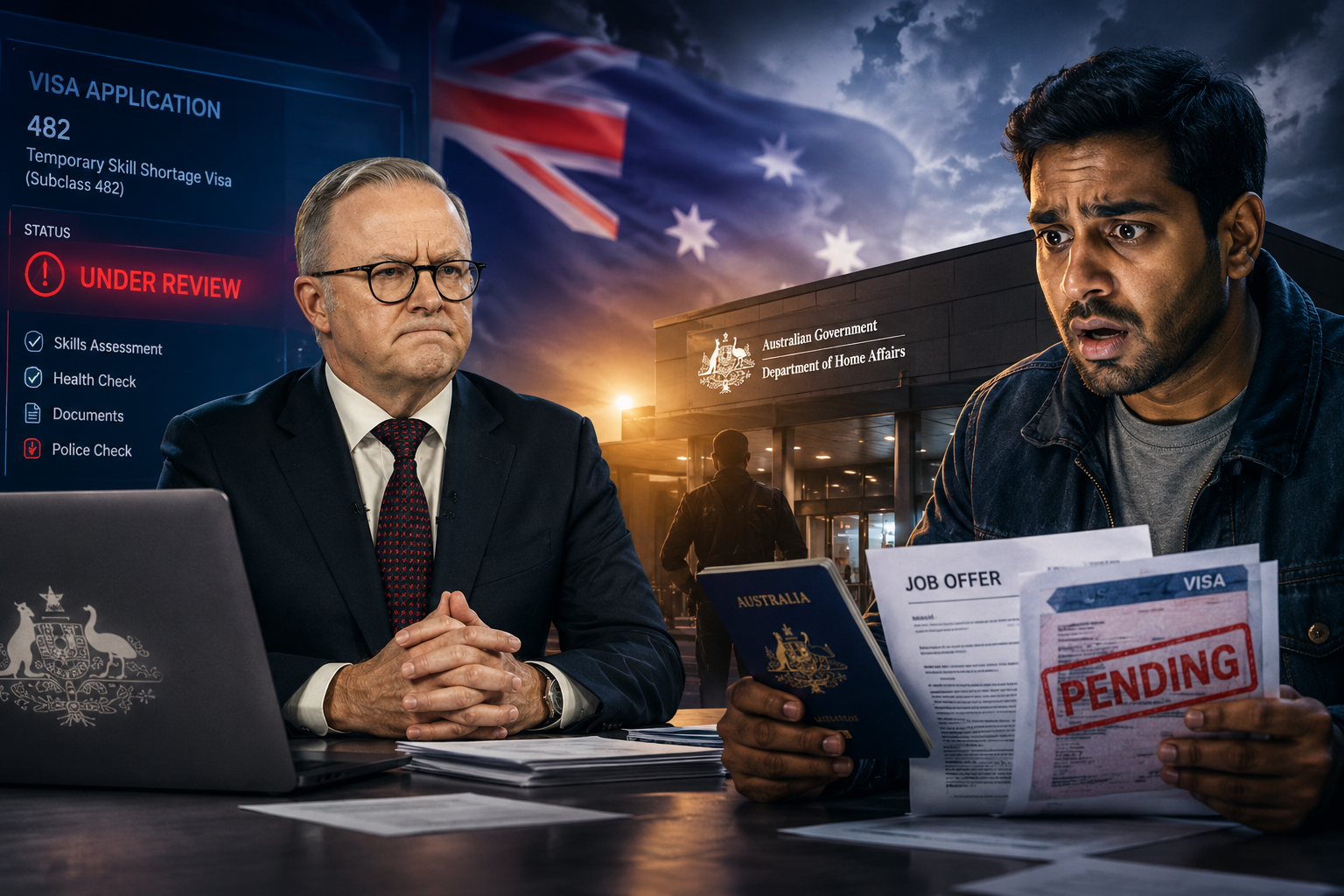
Beginning June 18, all users of the Department of Home Affairs’ IM (Immigration Management) account will be required to enable multi-factor authentication (MFA). This decision follows a report from the Australian Computer Society about stolen password data being used in phishing attempts.
The Department maintains the platform was not breached but is enhancing security “out of an abundance of caution.” MFA will be required at login and for any changes made to the account. Users can reset their MFA settings from within the platform.
Adding Spouses and Children: What the Law Really Allows
Permanent Visas: Yes—with Conditions
For most permanent residency (PR) visas, Regulation 2.08A allows applicants to add a spouse or child after lodging, with notable exceptions for the 887 and contributing parent visas. It’s important to formally notify the Department and request the addition. Be aware: adding a spouse could reduce your total points and lead to a visa refusal.
Section 48: The In-Australia Limitation
If your partner is in Australia and affected by Section 48—which limits visa reapplication while remaining in the country—they must leave Australia before being added to your PR application.
Temporary Visas: Children Yes, Spouses No
Children can be added to temporary visa applications after lodgement, under Regulation 2.08. Spouses generally cannot—except in limited cases like temporary protection visas.
Newborns automatically receive the visa status of their parents, and parents only need to inform the Department of the birth. If your case is under tribunal review, children cannot be added until a favorable decision is reached.
Conclusion: Stay Informed, Stay Prepared
Australia remains a top destination for global talent—but new rules, high fees, and hidden quota systems create a challenging landscape for students and families. While the country is publicly welcoming to U.S.-displaced students, navigating its immigration process now demands greater awareness and caution.
As policies evolve, applicants must stay up-to-date with legal changes, ensure their agents disclose all relevant details, and consider professional guidance when dealing with complex family additions or point-based applications.
If you’re unsure about how these changes may affect your case, it’s advisable to consult a certified migration agent or immigration attorney.
Frequently Asked Questions (FAQs)
- What is the new $2,000 Australian student visa fee and when does it take effect?
As of July 1, 2025, all international student visa applicants must pay a non-refundable fee of AUD 2,000. This amount is payable at the time of application and will not be returned even if the visa is refused.
- Why are many student visa applicants unaware of Ministerial Direction 111?
Ministerial Direction 111 allows the Department of Home Affairs to impose institution-based quotas for processing visa applications. If a school meets its cap, further applications can be stalled. Many education agents fail to disclose this detail upfront.
- Which student groups face the highest visa rejection rates in 2025?
According to March 2025 data, Indian vocational applicants face a 68.8% refusal rate, and Chinese vocational applicants are rejected at 52.1%. These rates highlight the importance of course selection and institutional credibility.
- Can I get a refund if my visa application is rejected?
The $2,000 visa fee is non-refundable under any circumstance, including rejection, withdrawal, or delays caused by processing quotas.
- What is the IM Account and why is multi-factor authentication (MFA) required now?
The IM Account is your personal portal with the Department of Home Affairs for visa applications. Starting June 18, 2025, MFA is mandatory to enhance cybersecurity and prevent data breaches, following reports of compromised passwords across various agencies.
- Can I add my spouse or child to my PR application after it has been lodged?
Yes, for most permanent residency visas, you can add a spouse or child post-lodgement under Regulation 2.08A, except in cases like the 887 or contributing parent visas. However, adding a spouse may affect your point score and lead to visa refusal.
- What is Section 48 and how does it impact adding a spouse to an application?
Section 48 of the Migration Act restricts people who’ve had a visa refused or canceled while in Australia from applying for another visa onshore. A spouse affected by Section 48 must leave Australia before being added to your ongoing PR visa application.
- Can children be added to temporary visa applications after submission?
Yes, under Regulation 2.08, a newborn child can be added to a parent’s temporary visa application if the child is born after submission and before a decision is made. Spouses, however, generally cannot be added to temporary visa applications.
- What happens if my visa application is under review at the Administrative Appeals Tribunal (AAT)?
If your case is under AAT review, you cannot add a new child or spouse until a favorable outcome is reached. Once the decision is overturned and the case returns to the immigration department, a dependent may then be added.
- Are newborn children of temporary visa holders automatically granted a visa?
If a child is born in Australia to parents holding temporary visas, the child is automatically granted the same visa subclass as the parents. The parents must inform the Department of the birth for official records, but no application is necessary