Synopsis: The UK’s asylum seekers gig economy crackdown has officially begun, with enforcement teams fanning out across cities to identify delivery riders working illegally. This asylum seekers gig economy crackdown signals a new era of immigration policy under Labour, blending tough enforcement with promises of fairness. Critics and supporters alike are watching how this asylum seekers gig economy crackdown unfolds on platforms like Deliveroo and Uber Eats, spotlighting broader questions of identity fraud and platform accountability. As the asylum seekers gig economy crackdown intensifies, businesses face hefty fines and riders face legal risks. Ultimately, this asylum seekers gig economy crackdown will test the balance between control and compassion.
UK’s ‘Nationwide Blitz’ on Illegal Working: Delivery Riders, Asylum Rules, and Political Pressure
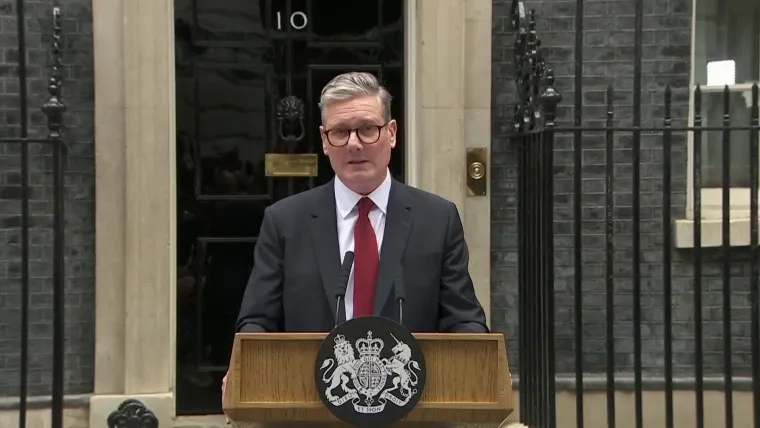
Illegal working by asylum seekers in the UK is now the focal point of a growing immigration enforcement drive. In response to mounting political criticism and a wave of media reports, the UK Home Office has declared a “nationwide blitz” to clamp down on asylum seekers operating illegally as takeaway delivery riders. This move underscores a broader shift in the government’s migration strategy under Prime Minister Keir Starmer, as Labour aims to position itself as tough yet humane on immigration — a balance that remains politically fraught and operationally complex.

Understanding the Government’s ‘Blitz’ Strategy
Targeting the Gig Economy
The Home Office announced a “major operation to disrupt this type of criminality,” focusing particularly on delivery riders working under another person’s identity on platforms such as Deliveroo, Just Eat, and Uber Eats. These platforms often employ riders under a flexible model, which critics say enables identity fraud.
This enforcement initiative reportedly includes:
- Strategic, intelligence-led field operations.
- Nationwide deployment of immigration enforcement teams.
- Real-time facial recognition checks for platform riders.
- Severe penalties for violating businesses — including fines up to £60,000 per worker and possible prison time for directors.
Such operations reflect Labour’s resolve to enforce legal boundaries, especially when taxpayer-funded services like asylum accommodation are involved.
Triggered by Political Scrutiny
The tipping point came after Shadow Home Secretary Chris Philp shared a widely viewed video on social media. It showed rows of delivery bikes parked outside an asylum hotel in London. This incident catalyzed both media coverage and political backlash, prompting urgent meetings between the Home Office and major gig economy platforms.
Philp argued that it was “shameful” that only his visit triggered action, stating:
“The government could easily stop it. I saw Deliveroo and other bikes parked in the hotel’s own compound – yet all the security guard cared about was me filming.”
This narrative placed the government on the defensive, pushing it to showcase strong action.
Gig Platforms in the Spotlight
Industry Promises Stricter Checks
In response to pressure, Uber Eats, Deliveroo, and Just Eat agreed to expand facial recognition-based ID verification for their delivery personnel. These platforms acknowledged that identity fraud poses both legal risks and reputational damage, especially as their services become linked with high-profile political issues.
But questions remain:
- How will biometric data be stored and regulated?
- Will identity checks extend to subcontracted or shared accounts?
- Can enforcement agencies access this data in real-time?
This raises data privacy and compliance concerns, which remain unaddressed in the immediate announcement.
A System Open to Exploitation?
Critics argue that platform-based gig work creates vulnerabilities in labour enforcement, particularly when workers can share logins or subcontract routes. This problem becomes acute in asylum accommodation contexts, where residents are not allowed to work legally while waiting for decisions on their status.
Yet these individuals often face:
- Long asylum processing delays
- Mental health deterioration in hotel accommodations
- A strong desire to remain active and support family abroad
This situation creates a grey zone of survival vs. legality, further complicating enforcement.
Legal Risks for Asylum Seekers
What Does UK Law Say?
According to UK asylum rules, individuals cannot work while their claim is being processed unless the government grants permission under exceptional circumstances. Violating this can lead to:
- Removal of accommodation and financial support
- Negative impact on the asylum decision
- Arrest and potential detention or deportation
Employers who hire ineligible workers, knowingly or not, may face:
- Civil penalties up to £60,000 per worker
- Director disqualifications
- Criminal charges under the Immigration, Asylum and Nationality Act 2006 (source)
This crackdown reinforces that asylum status is not a shield from employment law, especially under public scrutiny.
Political Stakes: Reform, Labour, and Public Sentiment
Labour Under Pressure
As immigration remains a top-tier political issue, Labour’s handling of asylum policy is under intense observation. Starmer’s government inherited a significant asylum backlog, while also facing surges in small boat crossings — an area exploited heavily by Reform UK and Conservative hardliners.
Polling suggests that public concern over migration has rebounded, especially on illegal entries and asylum hotel costs. Labour’s strategy involves:
- Asserting control through visible enforcement
- Demonstrating accountability in public spending
- Seeking diplomatic solutions with France and other EU partners
Home Secretary Yvette Cooper emphasized that work bans for asylum seekers help prevent pull factors that incentivize illegal migration.
“There is no single solution to the problem of illegal migration,” she said. “That’s why we’ve signed landmark agreements with international partners to dismantle gangs and made significant arrests of notorious people smugglers.”
The “One In, One Out” Proposal with France
In a bid to formalize returns and reduce reliance on illegal crossings, PM Keir Starmer is expected to propose a “one in, one out” agreement during French President Emmanuel Macron’s UK visit.
The concept is simple:
- UK returns small boat arrivals to France
- In return, UK accepts a comparable number of asylum seekers with legitimate ties to Britain
This echoes the Dublin Regulation logic — previously applicable before Brexit — and indicates a more diplomatic, reciprocal model of migration control (source).
The Humanitarian Question
Between Desperation and Criminality
It’s important to ask: why are asylum seekers taking such risks?
- Many have waited over a year in asylum hotels with little to no activity.
- Some arrive traumatized from war or persecution.
- Language barriers, financial hardship, and isolation push them to find agency — often through work.
While illegal working is clearly a breach of UK law, it stems from policy-induced limbo. Human rights advocates warn that enforcement-heavy approaches may push vulnerable people deeper into criminal networks or exploitation.
There’s also the fear of over-enforcement — mistakenly penalizing migrants who have legitimate work rights or whose applications are pending appeal.
The Road Ahead: Enforcement Meets Reform
Balancing Control with Compassion
As Labour tries to restore faith in immigration governance, the nationwide crackdown offers an early test of:
- Operational capability: Can enforcement units consistently verify gig workers’ identities?
- Legislative clarity: Will legal ambiguities be clarified in future immigration reforms?
- Public perception: Can Labour demonstrate it is fair but firm?
With asylum being a long-term policy arena, snap enforcement blitzes may score political points but fail to address root issues such as the housing crisis, asylum claim bottlenecks, and labour exploitation.
Calls for Structural Reform
Experts suggest that resolving illegal working and asylum system inefficiencies requires:
- Faster asylum processing, possibly through AI or digital workflows
- Safe, legal routes for migration tied to labour shortages
- Workplace audits of gig platforms by HMRC or the Gangmasters and Labour Abuse Authority (GLAA) (source)
Until then, the government risks fighting fires while public trust and migrant welfare hang in the balance.
Conclusion: The Asylum Work Crackdown and What It Means
The UK’s “nationwide blitz” on asylum seekers working in the gig economy is both a response to political pressure and a signal of broader policy recalibration. It highlights the tension between enforcement and empathy, legality and survival, optics and operational depth.
Labour’s path forward will depend not just on headline-grabbing raids but on durable reforms that balance border control with humanitarian duty. While stricter workplace checks and fines send a deterrent message, real solutions lie in improving the asylum system, enhancing legal routes, and ensuring industry accountability.
As Britain continues redefining its post-Brexit immigration stance, this latest crackdown could either be a necessary course correction — or a warning sign of reactive policymaking in a deeply complex arena.
Frequently Asked Questions (FAQs)
1. Can asylum seekers work in the UK while their application is pending?
No, asylum seekers in the UK are generally not allowed to work while waiting for a decision on their application. However, after 12 months without a decision, they may request permission to work in shortage occupation roles listed by the Home Office. Most gig economy jobs, like food delivery, are not included in these roles.
2. What happens if an asylum seeker is caught working illegally in the UK?
If caught working illegally, asylum seekers risk losing their accommodation and financial support, being detained, or having their asylum claim negatively impacted. The UK Home Office may also initiate removal proceedings, especially if the individual entered the UK irregularly or used false documents.
3. How do food delivery apps like Deliveroo and Uber Eats verify the identity of their riders?
These companies typically verify identity via documents at registration, but recent enforcement pressure has led to increased use of facial recognition technology to ensure the person delivering matches the registered account holder. Subletting or sharing accounts is a violation of their terms and UK employment laws.
4. Why is the UK government targeting asylum seekers working in the gig economy now?
The crackdown follows political criticism and media reports revealing asylum seekers working as delivery riders while living in taxpayer-funded asylum hotels. The government sees this as a “pull factor” for illegal migration and aims to deter abuse of the asylum system while appeasing public opinion and political opponents.
5. What penalties do UK employers face for hiring workers without legal right to work?
Employers can be fined up to £60,000 per illegal worker, face criminal prosecution, and even director disqualification. They are legally obligated to conduct right-to-work checks before hiring. This includes verifying visa status, biometric residence permits, and in some cases, use of the Home Office’s Employer Checking Service.
6. What is the “one in, one out” asylum deal being discussed with France?
The UK is reportedly negotiating a deal with France to return small boat arrivals in exchange for accepting a similar number of asylum seekers with verified links to the UK. This model aims to reduce illegal crossings while providing formal resettlement channels—a concept reminiscent of the EU Dublin Regulation (pre-Brexit).
7. How long does the UK asylum process usually take in 2025?
As of mid-2025, the average wait time for an initial asylum decision is approximately 8–12 months, although some cases take much longer. The UK government has pledged to clear the legacy backlog, but delays persist due to resource constraints and rising numbers of small boat arrivals.
8. Are asylum seekers entitled to any financial support or accommodation in the UK?
Yes. Asylum seekers receive £49.18 per week (as of 2025) for basic needs and are usually housed in asylum hotels or temporary accommodations. This support continues until their application is decided. However, working illegally while receiving support may lead to termination of these benefits.
9. What is the legal definition of “illegal working” under UK immigration law?
Illegal working includes any paid or unpaid work performed by individuals not authorized under UK immigration rules. This includes working under another person’s identity, without a valid visa or work permit, or while awaiting asylum decisions without special permission. Violators may be prosecuted or removed from the UK.
10. What is the UK government doing to reduce illegal migration beyond enforcement?
Beyond enforcement raids, the UK is investing in international cooperation, including joint operations with France, arrests of smuggling gangs, and tighter visa controls. Additionally, the government is exploring reforms to the asylum system, improving decision-making timelines, and enhancing digital tools for border enforcement.