Synopsis: Starmer immigration reset closes asylum hotels, moves asylum seekers into military barracks, and seeks returns deals with European partners. This analysis examines political motives, legal risks under human-rights law, humanitarian impacts for vulnerable families, operational feasibility, and whether these measures will reduce Channel crossings or deepen public controversy significantly.
The Urgent Immigration Reset
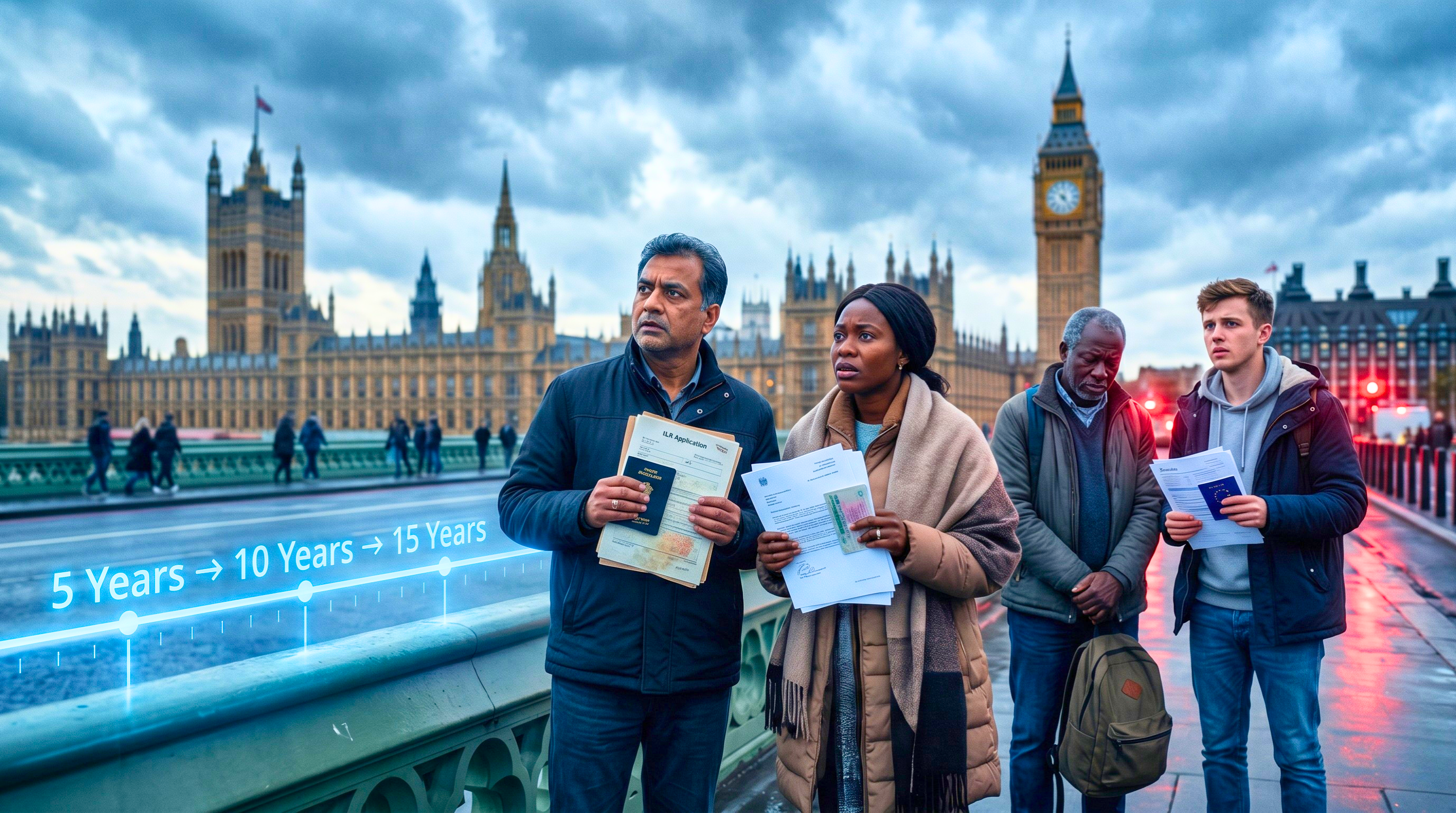
The Starmer immigration reset signals a major policy shift: the UK plans to relocate asylum seekers into military barracks, close asylum hotels, and pursue returns deals with European partners — raising urgent questions about legality, humanitarian impact, and political feasibility. As part of the Starmer immigration reset, ministers argue these measures will speed case processing, reduce accommodation costs, and restore public confidence in border control.
The United Kingdom is once again at a crossroads on immigration. Prime Minister Keir Starmer has ordered a drastic overhaul of asylum housing and border enforcement measures, describing it as the Starmer immigration reset that some call the most significant shift in UK asylum policy in over a decade. According to UK Home Office data, more than 29,000 individuals arrived via small boat crossings in 2024 alone — a persistent challenge that has fuelled political pressure and public protests.
Now, the Labour government is making a bold move: asylum hotels—long criticized as costly “luxury” accommodations—will be phased out, with migrants transferred to military barracks. These measures represent not only a logistical reset but also a defining political gamble; whether the Starmer immigration reset will deliver on promises or provoke legal and humanitarian backlash remains the central question for ministers and campaigners alike.

Why Close Asylum Hotels?
Mounting Criticism and Protests
For years, asylum hotels have become flashpoints for controversy. Local communities, particularly in smaller towns, have expressed resentment over hotels being repurposed for migrants while taxpayers foot the bill. Protests erupted nationwide in 2024, often organized by groups opposed to illegal migration.
The criticism hinges on two narratives:
- Public Cost Burden: Hotels cost hundreds of millions annually, stretching the Home Office’s already strained budget.
- “Luxury Lifestyle” Perception: Critics argue that hotel stays provide conditions better than what many struggling UK families can access.
Labour’s move to shut these sites aims to blunt public anger, but it raises new concerns over human rights compliance.
Political Pressures Driving the Shift
Labour inherited the asylum hotel system from the Conservatives, who themselves had turned to barges, dispersal housing, and barracks amid capacity shortages. While former Home Secretary Yvette Cooper sought alternatives like dispersed housing, community opposition forced delays.
The government’s new stance is clear: hotels will be closed well before Labour’s 2029 target, with priority given to moving asylum seekers into repurposed military accommodation.
Migrants in Military Barracks: A New Era of Asylum Housing
Existing Precedents
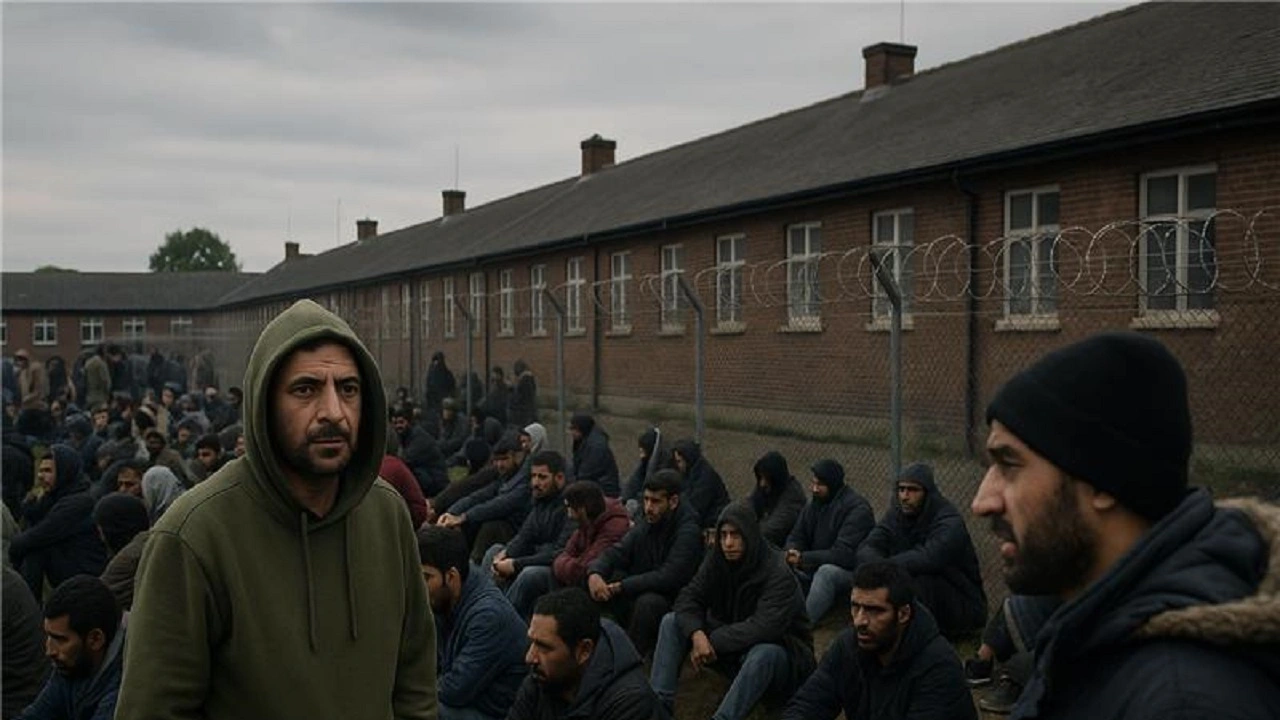
Currently, asylum seekers are housed in two barracks:
- MDP Wethersfield in Essex
- Napier Barracks in Folkestone
Both facilities were controversial when introduced by Conservative governments. Human rights groups compared them to prisons, citing cramped conditions, lack of privacy, and limited access to healthcare. Despite this, Labour intends to expand the model.
Legal and Human Rights Concerns
Critics argue that barracks could violate obligations under the European Convention on Human Rights (ECHR), especially regarding living standards and the treatment of vulnerable asylum seekers. Reports from groups like Amnesty International have warned that institutional accommodation risks retraumatizing individuals fleeing conflict zones.
Government Rationale
Defence Secretary John Healey defended the move, stating military planners are working alongside border enforcement teams to provide temporary accommodation. He stressed the necessity of rapid processing to determine asylum eligibility or deportation.
The argument is pragmatic: barracks are cheaper, scalable, and politically palatable compared to hotels. Yet, they remain a lightning rod for legal challenges and activist opposition.
The “One In, One Out” Returns Deal
France and Germany Agreements
Britain already has a bilateral arrangement with France, under which 50 migrants are returned weekly, balanced by the UK accepting vetted asylum seekers who have not attempted Channel crossings. Now, Germany is expected to join the scheme.
Strategic Implications
Why Germany? Boats may not launch directly from Germany, but many asylum seekers travel through it before reaching France. By establishing this deal, the UK creates a multi-country deterrence framework, signaling that irregular crossings will not guarantee settlement.
Policy Innovation or Mere Symbolism?
Some critics argue these deals are symbolic at best. Given the volume of crossings—often more than 1,000 in a single weekend—the return of 50 per week barely scratches the surface. Still, politically, it strengthens Starmer’s claim to be restoring “border control” while distinguishing Labour from its Conservative predecessors.
Internal Political Dynamics
Labour’s Internal Divisions
The reshuffle that brought Shabana Mahmood into the Home Office was not without dissent. Left-wing Labour MPs, including Kim Johnson, openly criticized the direction as a rightward lurch. Describing the reshuffle as “shuffling deck chairs on the Titanic,” Johnson underscored growing unease within the party.
Starmer’s Strategic Gamble
By doubling down on enforcement, Starmer risks alienating progressive supporters while courting working-class voters disillusioned with Conservative immigration policies. It’s a high-stakes strategy: success could cement Labour’s image as competent managers of national borders, while failure could leave them vulnerable to Reform UK’s more radical proposals.
Comparative Pressure from the Right
- Reform UK: Nigel Farage has proposed barring all Channel migrants from asylum claims and housing them in detention centers.
- Conservatives: Figures like Robert Jenrick argue even Labour’s barracks policy doesn’t go far enough, calling instead for “rudimentary prisons.”
Labour must balance between being tough enough to satisfy public concern while avoiding reputational damage from inhumane policies.
International Law and Deportation Hurdles
ECHR Challenges
One of Mahmood’s immediate tasks is to review how human rights laws are used to block deportations. The UK’s interpretation of Article 8 (family rights) of the ECHR has been described as overly generous compared to other European states.
Deportation Numbers and Realities
The government boasts of “record numbers” of deportations in recent years. Yet, deportations remain logistically and legally complex, often slowed by appeals, safe-country disputes, or lack of bilateral agreements. According to Migration Observatory at Oxford, deportation rates have steadily declined over the last decade, undermining rhetoric of decisive action.
The Foreign Criminal Question
Another thorny issue is the deportation of foreign criminals, often delayed due to human rights appeals. Mahmood’s mandate includes reassessing how far the UK can legally go in restricting such claims.
Humanitarian and Social Implications
Living Standards in Barracks
Pro-migrant groups warn that barracks exacerbate isolation, mental health issues, and stigmatization. The Refugee Council has repeatedly argued that dispersal housing or community integration offers safer, more humane solutions.
Public Sentiment
Polling consistently shows immigration is one of the public’s top three concerns. Yet, public opinion is nuanced: while there is strong demand for reduced illegal migration, there is also sympathy for genuine asylum seekers. How Labour communicates its policy could determine whether it gains support or triggers backlash.
Local Resistance
Communities hosting barracks often mobilize against them, citing strain on infrastructure and public services. In constituencies like Essex, even Conservative MPs such as James Cleverly opposed siting decisions.
Starmer’s Immigration Policy in Context
Phase Two of Government
Starmer has framed this reshuffle and policy package as part of “phase two” of his government: a pivot from electioneering promises to tangible delivery. Cabinet changes in the Home Office, Defence, and Growth departments all reflect an effort to demonstrate competence and reformist zeal.
Comparison with European Models
Other European nations—France, Italy, Greece—already use military or offshore detention-style facilities for migrants. The UK is aligning itself with a broader European trend of deterrence-driven asylum policy, though critics argue this undermines international refugee protection standards.
Balancing Growth and Control
Starmer’s broader agenda emphasizes economic growth. Yet, immigration is deeply intertwined with growth, given the UK’s reliance on foreign workers in sectors like healthcare and agriculture. Restricting asylum seekers while seeking skilled migrants reveals the contradictions of modern immigration policy.
Conclusion: Reform, Risk, and the Road Ahead
The Labour government’s immigration reset—closing hotels, expanding barracks, and striking returns deals—signals a decisive break from the past. It is both a practical attempt to address capacity issues and a political maneuver to outflank opponents on the right.
Yet the risks are immense:
- Legal challenges under the ECHR could stall or derail implementation.
- Humanitarian groups will continue to highlight ethical concerns.
- The volume of small boat crossings may simply overwhelm symbolic returns agreements.
Starmer’s gamble is that delivery, not debate, will win public trust. If barracks are operational, hotels closed, and returns deals enforced, Labour can claim progress. If not, the criticism that these are cosmetic measures—mere “deck chair shuffles”—may stick.
As Britain enters this new chapter, the question remains: can deterrence and containment coexist with humanitarian obligations? The answer will define not only Starmer’s premiership but also the UK’s standing in the global immigration debate.