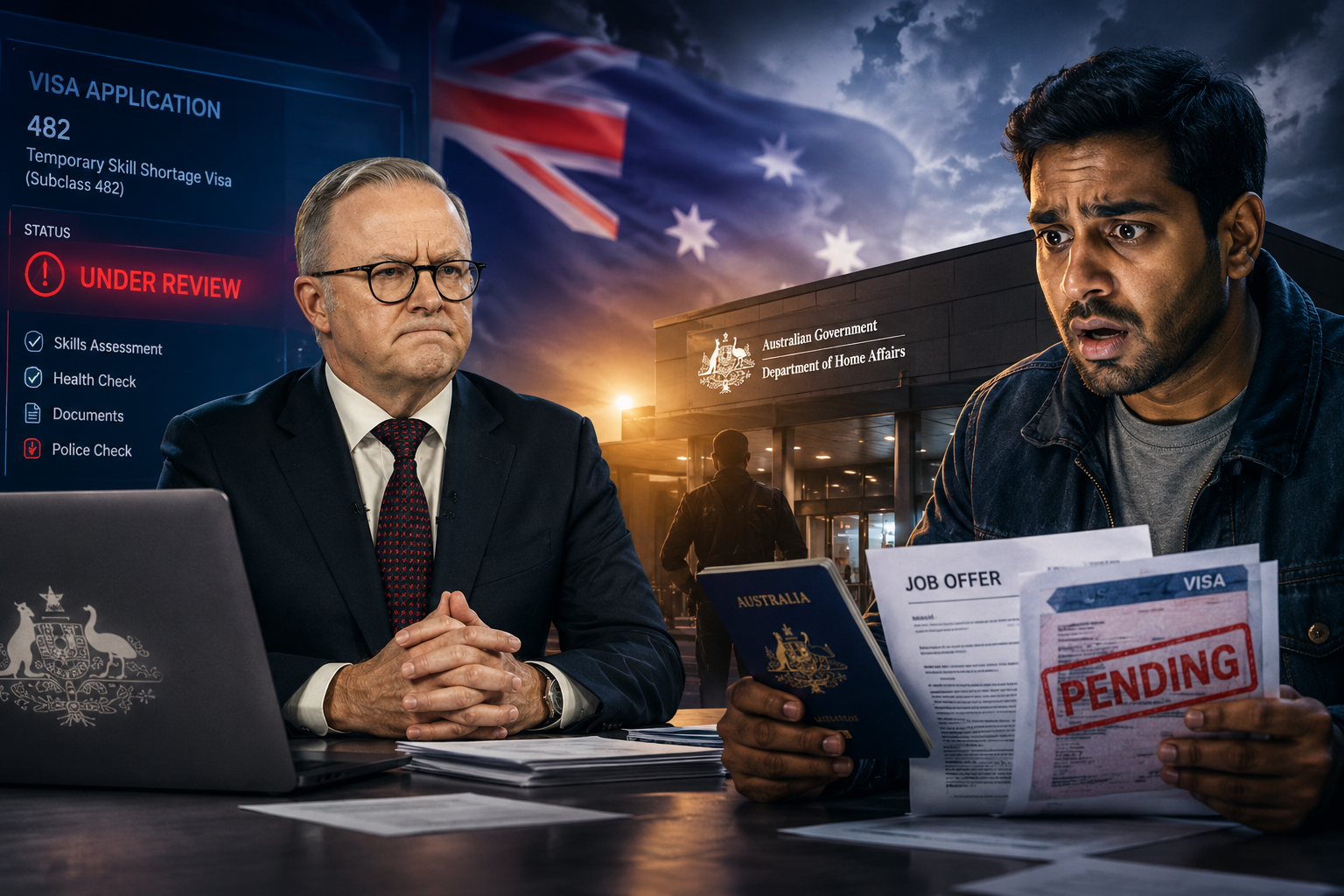
Synopsis: Australia salary thresholds 2025 increase on July 1 to raise the national minimum wage, TSMIT, and core and specialist skills income levels alongside higher superannuation rates. This analysis explores the policy rationale, evaluates effects on skilled migrants and employers, and provides practical guidance to ensure compliance and inform strategic workforce planning.
Why Australia salary thresholds 2025 Demand Your Immediate Attention
Australia salary thresholds 2025 usher in a new era for the nation’s workforce and skilled migration system. With sweeping reforms to both the national minimum wage and income thresholds for employer-sponsored visas, the Australian government signals a clear priority: attracting skilled talent while safeguarding local wages. These policy shifts are more than bureaucratic adjustments—they shape the prospects for thousands of international workers and impact every major employer in the country. The newly announced salary levels, effective July 1, 2025, set a fresh benchmark in the ongoing battle to balance competitiveness, cost of living, and economic growth.
How do these changes compare to previous years? Who gains and who is left behind? Let’s unpack the new rules, analyze their wider significance, and address what every prospective applicant, HR manager, and policy watcher needs to know.

The New Australian Minimum Salary Landscape: What’s Changed?
The National Minimum Wage Increase: Supporting Local Workers
Australia’s national minimum wage has always served as a vital benchmark for fairness and worker protection. As of July 1, 2024, the Fair Work Commission increased the national minimum wage by 3.75%, raising it to AUD 915.90 per week or AUD 24.10 per hour. For millions of employees—many in hospitality, retail, and support services—this adjustment provides essential relief in an era marked by rising living costs.
But is it enough? Recent data from the Australian Bureau of Statistics reveals that inflation remains stubbornly high, with the Consumer Price Index rising by 4.1% in the 12 months to June 2024. While the minimum wage hike signals government responsiveness, it struggles to keep pace with everyday expenses. For context, in 2023, Australia ranked among the world’s most expensive countries for expat professionals, with major cities like Sydney and Melbourne outpacing their global peers in cost-of-living indices.
The Skilled Migration Shake-Up: New Thresholds for Visa Holders
Australia’s approach to skilled migration is built around the Temporary Skilled Migration Income Threshold (TSMIT)—the minimum annual salary required for employer-sponsored visa holders. After remaining frozen at AUD 53,900 for nearly a decade, the TSMIT was increased to AUD 70,000 in July 2023, and again to AUD 73,150 from July 1, 2024. The latest announcement boosts this further to AUD 76,515 effective July 1, 2025.
This escalation reflects a conscious effort to both deter wage undercutting and ensure that skilled visas benefit the economy at large. The impact is profound for subclass 482 (Temporary Skill Shortage) and subclass 494 (Skilled Employer Sponsored Regional) visa applicants, who now face a much higher bar for sponsorship. Notably, the TSMIT also guides Labour Agreements, shaping a wide range of industry-specific pathways.
Why the TSMIT Matters
The TSMIT is more than just a number—it determines who can enter Australia’s skilled workforce and at what price. According to the Department of Home Affairs, over 100,000 employer-sponsored visa holders were in Australia in 2024. The latest changes mean that sponsors must prove that jobs for migrant workers pay at or above this new threshold, in line with market rates Australian Government: Department of Home Affairs.
Bullet Points for Quick Reference:
- National minimum wage: AUD 24.10 per hour (from July 2024)
- TSMIT (Temporary Skilled Migration Income Threshold): AUD 76,515 (from July 2025)
- Specialist Skills Income Threshold: AUD 141,210 (from July 2025)
- High-Income Threshold: AUD 183,100 (from July 2025)
- Mandatory superannuation: increased to 12% of base earnings
New Visa Streams and Salary Thresholds: Core Skills vs. Specialist Skills
Introducing the Skills in Demand (SID) Visa
On December 7, 2024, Australia launched the much-anticipated Skills in Demand (SID) visa, replacing older, less targeted programs. The SID visa streamlines skilled migration, introducing two new salary bands based on job type and applicant profile:
Core Skills Income Threshold
- Set at AUD 73,150 for 2024–2025, rising to AUD 76,515 from July 2025.
- Applies to most applicants under the SID Core Skills stream, as well as Temporary Residence Transition and Direct Entry streams of the Employer Nomination Scheme (ENS).
Specialist Skills Income Threshold
- Set at AUD 135,000 for 2024–2025, rising to AUD 141,210 from July 2025.
- Reserved for highly specialized roles, senior executives, and niche technical positions where market salaries far exceed average rates.
How Do the Thresholds Compare Across Visa Types?
To appreciate the scale of these changes, consider the following table:
|
Threshold Type |
Previous (2023) |
July 2024 |
July 2025 |
|
National Minimum Wage (p.a.) |
AUD 882.80/wk |
AUD 915.90/wk |
Updated as per FWC |
|
TSMIT |
AUD 70,000 |
AUD 73,150 |
AUD 76,515 |
|
Core Skills (SID/ENS) |
N/A |
AUD 73,150 |
AUD 76,515 |
|
Specialist Skills (SID) |
N/A |
AUD 135,000 |
AUD 141,210 |
|
High-Income Threshold |
AUD 175,000 |
N/A |
AUD 183,100 |
|
Superannuation |
11.5% |
12% |
12% |
What’s Driving the Split in Thresholds?
This dual-band system recognizes that not all skilled jobs are created equal. While core skills positions must offer a salary above the national average, specialist roles—think data scientists, fintech leads, or chief engineers—command a premium. By segmenting thresholds, the government aims to:
- Attract and retain global talent in high-demand sectors
- Prevent wage undercutting in core occupations
- Encourage employers to invest in local upskilling when possible
Economic Context: Inflation, Labour Demand, and Policy Rationale
Inflation and the Cost of Living
Wage policy does not exist in a vacuum. Australia’s minimum wage and skilled migration thresholds have been raised in the context of:
- Persistent inflation (over 4% year-on-year as of mid-2024)
- Skyrocketing rental prices and home ownership costs
- Sector-specific labour shortages, particularly in healthcare, construction, and IT
According to the Reserve Bank of Australia, wage growth is a critical tool in maintaining consumer spending power and social stability. Yet, there is a delicate balance: setting thresholds too high could deter needed international talent; too low, and local workers risk stagnating incomes and increased competition.
Labour Market Pressures
Australia faces an acute skills gap, with over 350 occupations listed as in-demand according to Jobs and Skills Australia. These shortages have been exacerbated by a post-pandemic migration rebound, ongoing demographic shifts, and intense competition for tech and healthcare talent globally.
The Government’s Policy Rationale
The federal government’s white papers repeatedly stress the need for migration to both fill short-term shortages and deliver long-term economic benefits. The latest salary changes align with:
- Recommendations from the Grattan Institute and Productivity Commission
- Commitments to “Australianize” wage floors for all workers
- A focus on skilled migration as an economic lever, not just a population policy
Impact Analysis: Who Wins and Who Loses?
For International Applicants
Raising the minimum salary for skilled visas will mean:
- Greater competition: Only higher-paying job offers will qualify, likely reducing the number of successful applicants.
- Improved conditions: Migrant workers should enjoy better pay and job security, narrowing the wage gap with locals.
- Fewer exploitation risks: By enforcing market-rate salaries, the government aims to curb wage theft and underpayment.
But it’s not all positive. Many entry-level professionals and those in regional or less lucrative industries may now find themselves shut out of skilled migration routes.
For Employers
Australian businesses—especially SMEs and regional employers—will feel the pinch:
- Higher wage bills: Employers must pay more to access international talent.
- Administrative burden: Sponsorship compliance is now more complex, with strict documentation and audit requirements.
- Longer hiring timelines: The need to match or exceed threshold salaries may extend recruitment cycles and narrow the available talent pool.
On the upside, sectors plagued by chronic shortages (such as aged care or engineering) may see better retention as higher wages improve attractiveness.
For the Broader Economy
Raising wage floors should, in theory, drive up overall standards and productivity. However, there is ongoing debate about whether these policies might inadvertently choke off growth in certain industries. Australia’s experience will be closely watched by other OECD nations considering similar reforms.
Implementation and Compliance: What Employers and Workers Must Do
Employer Responsibilities
From July 1, 2025, employers who sponsor visa applicants must:
- Ensure the offered salary meets or exceeds the updated TSMIT or SID threshold applicable to the job
- Provide written contracts detailing salary, superannuation, and other conditions
- Maintain documentary evidence of compliance for audit purposes
- Guarantee that superannuation contributions (now 12%) are paid in addition to base salary—not used to offset it
Worker Protections
Employees—especially those on temporary visas—are encouraged to:
- Check their employment contract for compliance with new salary rules
- Confirm superannuation arrangements via the Australian Taxation Office
- Report any wage underpayment or contract discrepancies to Fair Work Australia
Policy Enforcement
Australia’s Department of Home Affairs and the Fair Work Ombudsman have ramped up compliance monitoring. Businesses found in breach face steep fines, loss of sponsorship rights, and reputational damage.
What Happens Next? Future Trends and Ongoing Reviews
Adjustments Based on Market Realities
Salary thresholds will continue to be indexed to economic conditions. Expect annual reviews that could further adjust thresholds in response to:
- Inflation
- Changing labour market needs
- Political and social pressures
Ongoing Skilled Migration Reforms
Australia’s migration program is undergoing a broader overhaul. The government has flagged additional changes for 2025–2026, including:
- Expansion of the SID visa to cover new sectors and occupations
- Potential for sector-specific or regional salary floors
- Integration of digital skills recognition and credentialing
Stay tuned to the Australian Government’s Immigration Policy Updates for the latest developments.
Conclusion: A New Era for Australia’s Workforce and Migration Policy
Australia’s decision to significantly raise the national minimum wage and skilled migration salary thresholds marks a pivotal moment in the country’s economic story. For local workers, the increases signal government commitment to wage growth and cost-of-living relief. For skilled migrants, the rules demand higher salaries but promise improved conditions and recognition.
Yet, challenges remain. As Australia recalibrates its approach to attracting and integrating global talent, it must continue to balance opportunity, protection, and competitiveness. The coming years will reveal whether these reforms deliver on their promise—or merely shift old pressures onto new ground.
Top 10 FAQs About Australia’s Minimum Salary and Skilled Visa Threshold Changes (2025)
1. What is the new minimum wage in Australia for 2025, and how does it compare to previous years?
Australia’s minimum wage was raised to AUD 915.90 per week (AUD 24.10 per hour) in July 2024, with annual reviews. Discover how this compares to past rates and why it matters for employees and international workers.
2. What is the Temporary Skilled Migration Income Threshold (TSMIT) for 2025, and who does it affect?
From July 2025, the TSMIT increases to AUD 76,515. Learn which employer-sponsored visa holders and skilled migrants are impacted, and how this threshold shapes eligibility for subclass 482, 494, and SID visas.
3. How do the new Core Skills and Specialist Skills Income Thresholds affect skilled visa applicants in Australia?
Understand the difference between the Core Skills threshold (AUD 76,515) and Specialist Skills threshold (AUD 141,210) under the SID visa, and how to qualify for each stream based on your occupation and salary offer.
4. What are the latest superannuation requirements for skilled visa holders and Australian employees in 2025?
As of July 2025, mandatory employer superannuation contributions rise to 12%. Learn what this means for your total salary package and compliance when hiring or working in Australia.
5. Which Australian visa subclasses are affected by the new salary thresholds for skilled workers?
Explore the list of visa subclasses—such as subclass 482 (TSS), 494, 186, and the new SID visa—now subject to updated salary thresholds and stricter employer compliance standards.
6. How do Australia’s new minimum salary changes impact international students seeking post-study work visas?
Find out how minimum salary changes affect graduate visa holders and those transitioning from student to skilled visas, including tips for maximizing your chances of employer sponsorship.
7. What documentation is required for employers to sponsor skilled workers under the new income thresholds in Australia?
Employers must provide detailed contracts, pay evidence, and compliance records. Discover the essential paperwork and government checks involved in sponsoring a skilled migrant from July 2025.
8. Can I count bonuses, overtime, or allowances towards Australia’s minimum salary threshold for skilled visas?
No, only guaranteed base salary (exclusive of superannuation) counts toward thresholds. Get clarity on what pay components meet TSMIT and SID visa requirements according to official guidance.
9. Are there any exemptions or concessions to the minimum salary requirements for regional employers or critical sectors?
Learn if certain regions, industries, or Labour Agreements offer flexibility on salary floors, and how to check for up-to-date exemptions through the Department of Home Affairs or relevant sector agreements.
10. How will future minimum wage and TSMIT changes be announced and implemented in Australia?
Stay informed about annual reviews, government updates, and policy changes by following official announcements from the Fair Work Commission and Department of Home Affairs.