Synopsis: Canada’s rising immigration refusal rates are linked to IRCC errors, policy shifts, and system overload. This blog breaks down the top causes, explains the impact on applicants, and offers solutions. from GCMS notes to judicial reviews. while urging the need for greater IRCC accountability and transparent decision making.
Why Are Immigration Refusals on the Rise?
Canada’s reputation as a prime immigration destination is under pressure. Over the past year, refusals of immigration applications by Immigration, Refugees and Citizenship Canada (IRCC) have increased dramatically — up by 61% for applicants from so-called high-risk countries, according to official data published by the Government of Canada.
So what’s driving this trend? The answer is a combination of volume overload, systemic inefficiencies, and inconsistent decision-making.

1. Overwhelmed IRCC Systems
IRCC processes nearly two million applications annually. This sheer volume stretches resources thin and burdens visa officers. Errors such as misreading financial documents or overlooking valid proof of eligibility are becoming more frequent.
One common example: applicants submit sufficient proof of funds, but officers still cite “financial insufficiency” — often due to misinterpretation or omission.
2. Stricter Policy Changes
In 2025, new rules restricted eligibility for Spousal Open Work Permits (SOWPs) to partners of workers in TEER 0–1 and specific TEER 2/3 occupations. While such updates are meant to protect labour standards, many applicants were assessed under the new rules despite applying earlier, resulting in unfair rejections.
3. Discretion and Inconsistency
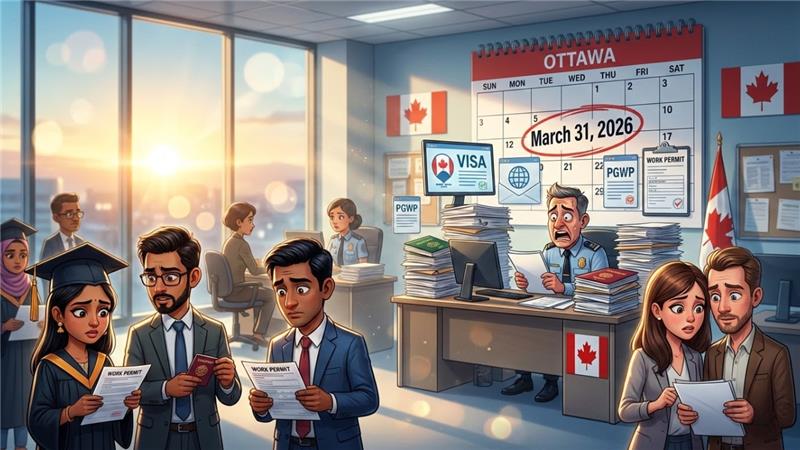
The discretionary power held by visa officers is enormous. Unfortunately, this leads to vastly different outcomes for similar applications. A perfectly documented PGWP might be rejected by one officer but accepted by another with little explanation. These inconsistencies damage public trust and create confusion among applicants.
4. Procedural and Communication Errors
Refusal letters often lack clarity, leaving applicants with no concrete reason to address. Worse still, procedural fairness letters (PFLs) — essential for applicants to respond before a final decision — have been wrongly sent to agents or omitted entirely.
5. Soaring Application Volumes
With growing international interest, Canada faces a tidal wave of immigration interest — especially in the student, skilled worker, and PR categories. The result? Rushed evaluations and sloppy outcomes.
The Impact of IRCC Errors on Applicants
The fallout from IRCC’s refusals can be deeply damaging, particularly when mistakes are involved.
Emotional and Mental Health Toll
A denial after months of preparation leads to anxiety, loss of motivation, and even depression. Families are separated, careers are derailed, and futures are put on hold.
Financial Costs
Each reapplication demands new fees — CAD $150 for a study permit, CAD $155 for a work permit — not to mention legal costs if a judicial review is pursued. The Federal Court of Canada requires a CAD $50 filing fee, with lawyer expenses ranging in the thousands.
Lost Educational and Career Opportunities
Rejected study permits delay academic progress. PGWP denials, meanwhile, close off one of the most vital pathways to PR for international graduates.
Long-Term Immigration Consequences
Each refusal harms your immigration profile. Age-related CRS point losses, expired language tests, and perceived unreliability can jeopardize future PR applications — especially under Canada’s Express Entry system.
Common Reasons for Refusals Across Immigration Streams
Let’s break down the most cited reasons for refusals in different immigration categories.
1. Visitor Visas
- Weak home ties or inability to prove intent to leave Canada.
- Unclear financials, such as inconsistent bank statements.
- Missing documents like travel history or valid ID.
2. Study Permits
- Doubtful course alignment with career goals.
- Outdated financial proofs, even when recent tuition payments were made.
- Non-compliance history, like breaching work-hour rules.
3. PGWPs
- Ineligible programs, especially under 8 months.
- Expired study permits without maintained status.
- Unauthorized work, such as employment before classes began.
4. Spousal Open Work Permits (SOWPs)
- Inadequate relationship proof, like missing joint assets or photos.
- Ineligible sponsor occupation under new 2025 rules.
- Officer oversight, such as ignoring valid common-law declarations.
5. PR Applications
- Missing documents, e.g., police clearance or IELTS results.
- Unintentional misrepresentation, which can trigger a 5-year ban.
- Low CRS scores due to age, expired documents, or point miscalculations.
Your Options After a Refusal: What Can You Do?
A refusal isn’t necessarily the end — there are strategic ways to recover.
1. Reapply with Better Documentation
Reapplication is viable if you still meet eligibility.
- Pros: Fast, familiar, and allows for updates.
- Cons: Repeated refusal risks and reapplication fees.
- Best Tip: Request your GCMS notes to understand exactly why you were refused and correct those issues in the next submission.
For more on GCMS notes, refer to Canada’s Access to Information and Privacy Act.
2. Request Reconsideration
This informal appeal is best when you’re sure the visa officer made a clear error.
- Pros: No fees, and can be done via webform.
- Cons: Rarely successful unless the error is undeniable.
- Tip: Clearly reference overlooked evidence — like a language test submitted but ignored — and cite public policies where applicable.
3. File a Judicial Review
A Judicial Review is a court-supervised challenge to the refusal.
- Pros: Can reset the process if procedural unfairness is proven.
- Cons: Expensive, complex, and slow.
- Best For: SOWP or PR applicants denied multiple times or those affected by IRCC officer mistakes.
Make sure to act fast — you only have 15 days (in Canada) or 60 days (outside Canada) to file.
The Call for IRCC Accountability
With refusal rates spiking and officer errors mounting, it’s clear that Canada’s immigration system is in urgent need of reform.
What Needs to Change
- Transparent refusal letters that help applicants fix their applications.
- Standardized officer training to reduce inconsistency.
- Formal reconsideration protocols, replacing vague and informal webform replies.
- Automated GCMS access, to improve transparency and speed.
Even Canada’s Office of the Auditor General has raised concerns about inconsistent immigration decisions in its recent performance reviews.
Turning Refusals into Opportunities
The pain of rejection can lead to renewed purpose.
Applicants who succeed after a refusal often:
- Carefully review GCMS notes
- Update documents and narratives
- Use help from certified consultants or lawyers
- Keep timelines in check (e.g., PGWP reapplications must be within 180 days of graduation)
Example:
A SOWP applicant was rejected due to missing common-law evidence. GCMS notes revealed the documents were submitted but overlooked. With legal help, they filed a judicial review. The case was sent back for reassessment — and approved.
Is a Reconsideration Request Worth It?
Yes, if IRCC clearly made a mistake. But success is rare without undeniable evidence. It’s free to try and can be done alongside reapplication.
How Long Does a Judicial Review Take?
Expect 1–6 months for a Federal Court decision. The full process may take a year, especially if further hearings or reassessments are involved.
Should I Hire a Professional?
Absolutely, for complex cases or court proceedings. Only licensed immigration lawyers can represent you in judicial reviews. An RCIC or immigration lawyer can help ensure compliance and improve your chances.
Final Thoughts
Canada’s immigration system is facing a crisis of confidence. Rising refusal rates, IRCC officer errors, and vague reasoning are leaving thousands of applicants in limbo. But by understanding the process, preparing carefully, and seeking professional support, applicants can still pursue their Canadian dreams.
The onus is now on the Canadian government to make IRCC more accountable, transparent, and just. Until then, knowledge is your most powerful tool.
Frequently Asked Questions (FAQs)
1. Why is IRCC refusing more Canadian immigration applications in 2025?
IRCC has seen a surge in application volumes, policy changes, and officer workload, leading to stricter assessments and more refusals. In many cases, errors or inconsistencies by IRCC officers also contribute to unjustified denials.
2. What are the most common reasons for study permit refusals in Canada?
- Unclear purpose of study
- Financial insufficiency
- Questionable program relevance
- Previous non-compliance
- Weak ties to the home country
3. Can I reapply after my Canadian visa or permit is refused?
Yes. In most cases, you can reapply with improved documentation. However, it’s crucial to obtain GCMS notes from IRCC to understand the exact refusal reason before submitting a new application.
4. What are GCMS notes, and why are they important after a visa refusal?
GCMS (Global Case Management System) notes provide detailed insights into why your application was refused. They help applicants address specific issues in reapplications or legal reviews.
5. How do I request reconsideration after a refusal from IRCC?
You can submit an informal request using IRCC’s webform, explaining why the decision was wrong or if key evidence was overlooked. Success is rare unless there’s a clear officer error.
6. When should I consider a judicial review after a Canadian visa refusal?
Judicial reviews are best for serious or repeated refusals caused by legal or procedural errors. You must file within 15 days (inside Canada) or 60 days (outside), and only a lawyer can represent you.
7. Can a refusal harm my future immigration chances to Canada?
Yes. Repeated refusals can negatively impact your credibility. Future visa officers may question your intent or eligibility unless new, compelling evidence is presented in reapplications.
8. How long does it take to complete a judicial review process?
A judicial review decision may take 1–6 months, but the full process—including filings, hearings, and possible reassessments—can last up to a year.
9. Are Spousal Open Work Permits (SOWPs) harder to get now?
Yes. As of January 2025, SOWPs are only granted to spouses of workers in TEER 0, 1, or specified TEER 2/3 roles. Many are refused due to changes in sponsor eligibility or weak relationship documentation.
10. Should I hire an immigration consultant or lawyer after a refusal?
For complex cases like PGWP denials or judicial reviews, hiring a Regulated Canadian Immigration Consultant (RCIC) or lawyer significantly improves your chances of success and compliance with IRCC rules.