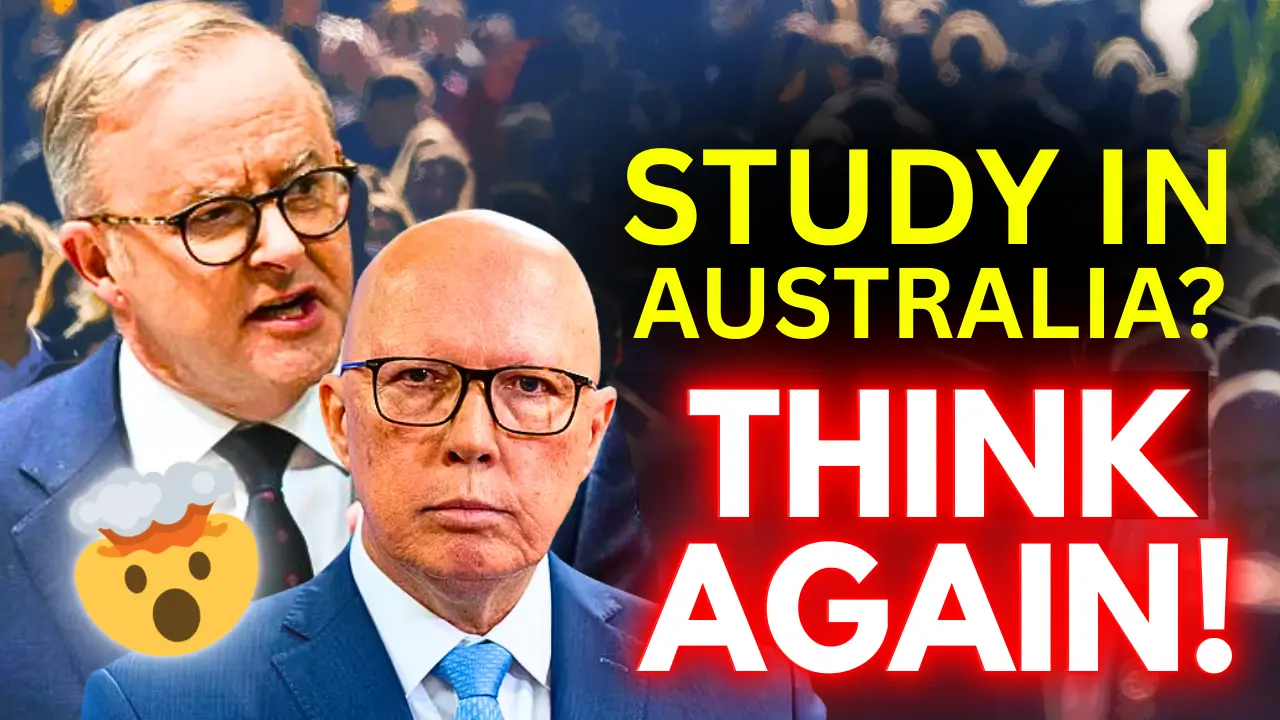
Australia’s international education landscape is on the brink of a seismic shift. The Coalition has unveiled plans to enforce stringent caps on international student enrolments, aiming to rectify what they term an “immigration mess”

This move has ignited fervent debates among policymakers, educators, and students alike.
Shadow Education Minister Sarah Henderson has been vocal about the Coalition’s stance, emphasizing that “Australian students must come first”
The proposed caps specifically target metropolitan hubs like Sydney and Melbourne, which host approximately two-thirds of the nation’s foreign student population. Henderson asserts that this approach will provide “long-term certainty” for the education sector, especially for regional universities where international students are integral to local economies.
The backdrop to this development includes the Albanese government’s earlier attempt to legislate a cap of 270,000 new international student enrolments for 2025
This proposal faced significant opposition, leading to its stalling in the Senate. Critics argue that such caps could exacerbate existing challenges, including housing shortages and infrastructure strain, while potentially jeopardizing the financial stability of universities heavily reliant on international tuition fees.
Universities Australia, representing the sector, has expressed concerns over the potential economic ramifications of stringent caps. International education stands as Australia’s largest export after mining, contributing approximately $51 billion to the economy
The organization warns that restrictive policies could deter prospective students, leading them to consider more welcoming countries.
As the federal election looms, immigration and education policies are poised to be pivotal issues. The Coalition’s promise of “tougher caps” on international students underscores a broader debate about Australia’s identity, economic priorities, and the role of international education in society.
In this climate of uncertainty, stakeholders—from university administrators to prospective international students—are urged to stay informed and engaged. The decisions made in the coming months will indelibly shape Australia’s educational and cultural landscape for years to come.