Synopsis: The closure of Perth International College of English underscores a larger crisis in Australia’s ELICOS sector. Visa fee hikes, policy missteps, and soaring rejection rates are driving institutions out of business. This blog explores the fallout for students, educators, and Australia’s position in global education.
A Grim Milestone: PICE Closes After 25 Years in Service
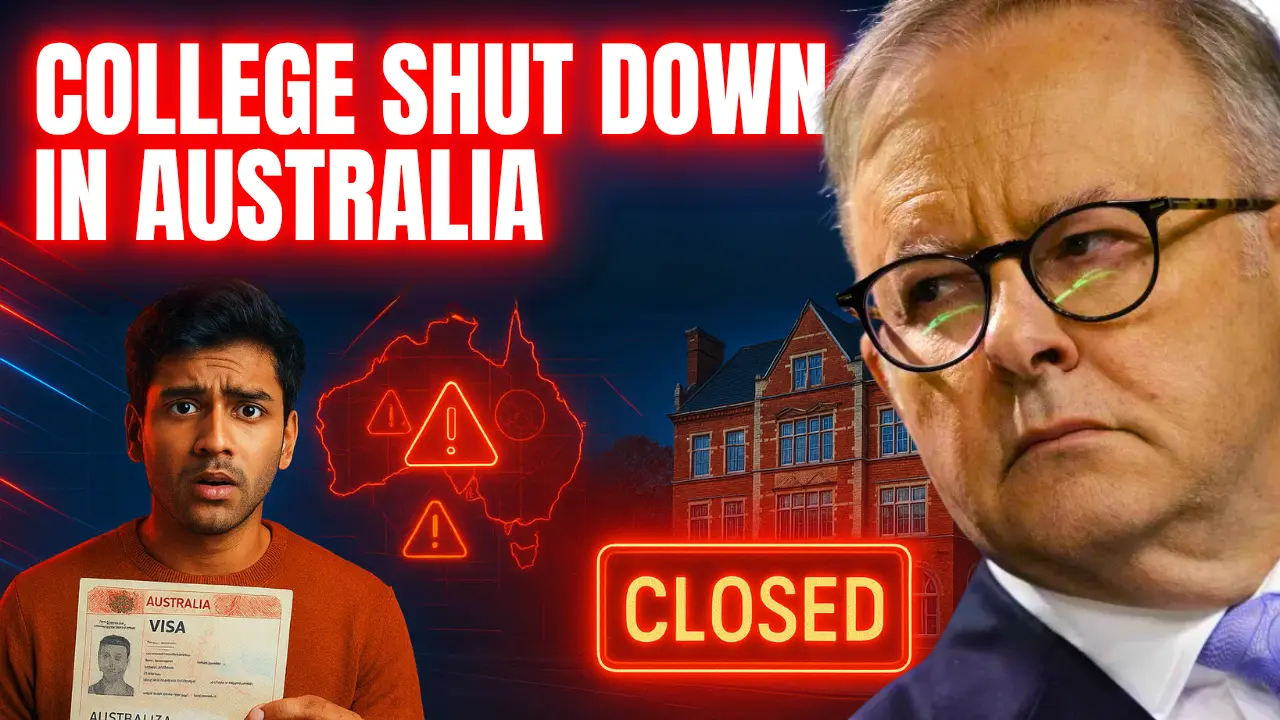
Australia’s English Language Intensive Courses for Overseas Students (ELICOS) sector has suffered a major blow. On June 16, the Perth International College of English (PICE)—a stalwart of quality English language instruction—closed its doors permanently. The Tuition Protection Service (TPS) confirmed that PICE had entered liquidation, triggering panic among students and professionals in the international education sector.
This event is not an isolated tragedy but a signal of systemic strain in Australia’s international education system. The closure of PICE, following similar shutdowns by IH Sydney and The Language Academy, reveals the compounding effects of rising visa fees, record-high rejection rates, and policy confusion on private education institutions across the country.

Why Did PICE Close? A Confluence of Policy and Economic Pressures
Visa Fee Hike to $1,600: The Breaking Point
One of the most immediate and visible catalysts behind PICE’s downfall was the increase in Australia’s international student visa fee. The cost for a subclass 500 visa, which once stood at AU$710, surged to AU$1,600 in July 2024, a move aimed at offsetting budget pressures and funding migration enforcement initiatives.
For smaller ELICOS colleges like PICE, the hike became a deterrent for potential students, especially from South Asia, Southeast Asia, and Latin America, where affordability determines mobility.
According to Australia’s Department of Home Affairs, these fees are payable upfront and non-refundable, even if the visa is refused—a risk that becomes more critical given the recent trends.
“Despite PICE’s exemplary reputation for quality, the increase in the student visa fee to $1,600… meant that PICE was unable to attract enough enrolments to be financially sustainable.”
— Ian Aird, CEO of English Australia
Visa Refusals Surge to Record Highs
In the past 18 months, student visa refusals have reached record levels. According to data cited by The Sydney Morning Herald and English Australia, refusal rates for ELICOS applicants surged beyond 20–25%, with some institutions reporting even higher figures.
Many students were denied on the grounds of a lack of genuine temporary entrant (GTE) compliance or concerns around financial support—even when documentation was in order. These high rejection rates have decimated confidence in the Australian visa system among students and education agents abroad.
This scrutiny stems from the Direction No. 111, a government directive issued to curb misuse of student visas, which many argue has inadvertently punished legitimate applicants.
Sector-Wide Impact: ELICOS Providers Are Disappearing
A Pattern of Closures
The collapse of PICE is just one chapter in a broader unraveling. In the last 12 months alone, several prominent names in the ELICOS sector have shuttered:
- IH Sydney Training Services: Once a staple in English language training with multiple campuses, it cited increasing costs and unviable enrolment figures.
- The Language Academy: Located in the Gold Coast and Sydney, this provider also closed, leaving hundreds of students in limbo.
This chain reaction is having a chilling effect on new applications and agent partnerships. As the number of operational ELICOS colleges shrinks, international students are left with fewer options, while Australia’s competitors—Canada, the UK, and Ireland—ramp up recruitment.
English Australia Sounds the Alarm
English Australia, the peak body for ELICOS providers, has been vocal in its concern. CEO Ian Aird has repeatedly called for urgent government intervention.
“John and the PICE team have been integral to our community and our efforts for two decades,” said Aird. “We urge stakeholders to support one another during these turbulent times.”
The group is collaborating with the TPS and former PICE staff to support affected students, though the broader challenge remains systemic.
The Fallout for Students and Staff
Displaced International Students
According to the Tuition Protection Service, affected students will be offered assistance through the placement or refund process. However, the emotional and academic disruption for these students cannot be underestimated. Many had already arranged accommodation, enrolled in pathway programs, or even relocated families.
For a significant number of students—particularly from South Asia—the closure means:
- Visa status uncertainty
- Loss of tuition fees if enrolled directly without protection
- Disruption of academic and migration timelines
- Emotional stress and disillusionment
Staff and Educators Out of Work
PICE’s shutdown also marks a loss for Australia’s education workforce. Highly trained teachers, admin staff, and curriculum developers now find themselves unemployed. Many other providers have undergone similar layoffs over the past year, as visa refusals and processing delays create financial bottlenecks.
English Australia estimates hundreds of jobs have been lost sector-wide since 2023. These losses compound the wider erosion of Australia’s international education brand.
Policy Blind Spots: Is the Government Undermining Its Own Priorities?
A System Designed to Fail?
While the government’s intention behind visa reform—curbing non-genuine students and tightening compliance—is understandable, its execution has been blunt and counterproductive.
Ironically, while Australia’s education sector contributes over AU$40 billion annually to the national economy, short-term migration politics are undermining long-term competitiveness. Stakeholders warn that if this continues:
- International students may view Australia as a hostile destination
- Pathways to skilled migration and workforce integration will shrink
- Smaller providers will vanish, leaving the sector dominated by large public institutions
Delay in Processing: A Compounding Burden
As if fee hikes and high rejections weren’t enough, visa processing times have worsened. In some cases, applications have taken more than 3 months for decisions—forcing students to either defer or shift to other countries.
This inefficiency disproportionately affects ELICOS students who often apply on tight academic calendars and budget constraints.
“Policy needs to consider the ecosystem: students, educators, migration pathways, and national interest. We’re failing on all fronts right now.”
— Comment from an industry expert (English Australia member, anonymous)
The Bigger Picture: Australia’s Shrinking Appeal as a Study Destination
Declining Global Ranking and Trust
Australia’s competitive edge in international education is fading. From a top-three position in global English language destinations, the country now finds itself outpaced by:
- Canada, which offers post-study work rights and lower fees
- Ireland, which actively markets visa stability
- The UK, which—despite its immigration crackdowns—still manages faster visa processing for short-term students
According to a 2024 IDP report, Australia saw a 17% drop in English language enrolments, while Canada and Ireland grew by 12% and 9%, respectively.
Losing Future Skilled Migrants
ELICOS students often represent the first stage in a longer migration journey. Many intend to pursue VET or higher education, eventually joining the skilled workforce. By pricing them out or rejecting them unfairly, Australia risks shrinking its talent pipeline—a contradiction to its own skilled migration targets.
What Needs to Happen Next?
1. Re-evaluate Visa Fee Structures
The current AU$1,600 fee is viewed by many as punitive. A tiered model—lower for short-term or low-risk applicants—could encourage a more balanced influx without compromising enforcement goals.
2. Restore Confidence Through Clear GTE Criteria
Applicants and education agents are navigating opaque and inconsistently applied Genuine Temporary Entrant (GTE) standards. Publishing clearer guidelines and training case officers in cultural competency could reduce unjustified refusals.
3. Fast-Track Processing for ELICOS Applications
Dedicated processing streams for ELICOS visas could dramatically reduce deferrals and institution instability. Canada and the UK offer “express streams” during peak seasons—Australia could replicate this.
4. Support for Affected Institutions and Workers
Beyond students, the government must recognize the loss of jobs and expertise. A support fund or workforce redeployment strategy could retain skilled educators and minimize disruption.
5. National Review of International Education Strategy
Australia’s last comprehensive review was prior to COVID. A post-pandemic reality demands an updated, sector-wide approach that balances economic, social, and diplomatic objectives.
Conclusion: More Than a Closure—A National Wake-Up Call
The shuttering of PICE is not just the loss of a college—it’s a symptom of deep-rooted policy failures. For a country that has long championed multiculturalism, international education, and skills development, allowing such an institution to collapse due to preventable policy-induced pressures is both short-sighted and avoidable.
Unless immediate steps are taken, the fate of PICE may become the rule, not the exception. In a globally competitive education market, Australia must choose whether it remains a welcoming, sustainable destination—or fades behind more agile rivals.
FAQs: Understanding the PICE Closure and ELICOS Challenges
- Why did the Perth International College of English (PICE) shut down?
PICE shut down primarily due to a steep decline in student enrolments caused by policy changes in Australia’s international education landscape. These included a massive hike in student visa fees (from AU$710 to AU$1,600 in July 2024), record-high visa refusal rates, and extended visa processing delays. Despite having a strong reputation in the sector, PICE could not maintain financial sustainability under these new conditions and was placed into liquidation on June 16, 2025.
- What impact did the AU$1,600 student visa fee have on ELICOS providers like PICE?
The increase in visa fees significantly reduced the affordability of studying in Australia, especially for students from cost-sensitive regions like South Asia, Latin America, and Southeast Asia. For many short-term English language students who don’t go on to longer academic programs, the cost became unjustifiable. Consequently, enrolment rates dropped, affecting providers like PICE that rely heavily on volume-based international admissions.
- How widespread are visa refusals for English language students in Australia?
Over the past 18 months, visa refusal rates for ELICOS students have surged. Some reports suggest refusal rates have exceeded 25–30%, even for applicants who met academic and financial criteria. The tightening of the Genuine Temporary Entrant (GTE) requirement and scrutiny over the students’ financial background led to many rejections. These high rates have contributed to declining student confidence and increasing institutional closures.
- What is the role of the Tuition Protection Service (TPS) for affected students?
The Tuition Protection Service (TPS) is an Australian government initiative that safeguards international students in cases where education providers close unexpectedly. In the case of PICE, TPS is working to:
- Transfer students to alternative registered providers
- Process refund requests for prepaid tuition
- Support visa continuity for affected students
This ensures students are not left without options due to no fault of their own.
- What does the PICE closure mean for international students currently in Australia?
Students enrolled at PICE will need to find alternative providers to continue their studies or risk visa cancellation due to non-compliance. They must act quickly to update their enrolment and notify the Department of Home Affairs. While TPS offers assistance, students may face challenges such as:
- Delayed academic progression
- Additional accommodation or relocation costs
- Emotional and psychological stress
- Are other English colleges in Australia shutting down too?
Yes, PICE is part of a growing list of ELICOS providers forced to close due to economic and regulatory pressures. Notable closures include:
- IH Sydney Training Services – shut down in early 2024
- The Language Academy – ceased operations after over a decade
This trend is severely shrinking the diversity and availability of English language programs in Australia.
- What are the long-term consequences for Australia’s international education sector?
The ELICOS closures and hostile visa environment could result in:
- A loss of international student trust, shifting demand to Canada, Ireland, or the UK
- Reduced skilled migration intake, as many skilled migrants begin their journey via ELICOS or VET pathways
- Revenue loss for the Australian economy, which earns over AU$40 billion annually from international education
- Higher unemployment among teachers and academic professionals specializing in English instruction
- How can the Australian government prevent more closures in the ELICOS sector?
Key policy interventions could include:
- Revising the AU$1,600 visa fee to make it proportionate to course duration
- Clarifying and standardizing GTE assessments to reduce arbitrary visa refusals
- Introducing priority visa processing for ELICOS students with genuine progression pathways
- Providing financial or transition support for struggling private education providers
Without such reforms, smaller institutions will continue to shut down, damaging Australia’s education brand globally.
- What is English Australia doing to support affected institutions and students?
English Australia, the peak body for ELICOS providers, is coordinating with TPS, government agencies, and former PICE staff to:
- Provide advisory sessions for students
- Assist staff and displaced teachers with job placement support
- Advocate to the government for policy reform, especially around GTE clarity, visa processing times, and financial relief
- What should international students consider before applying to study English in Australia now?
Students considering ELICOS programs in Australia should:
- Verify the financial viability and registration status of the provider
- Ensure their visa application is thorough, especially the GTE statement and financial documents
- Understand the non-refundable nature of the visa fee
- Consult a trusted education agent or migration consultant with recent experience in Australia
- Stay informed via official sources like the Department of Home Affairs and Study Australia