

Synopsis: September 2025–26 immigration reforms in Australia reshape student, skilled and employer-sponsored visas. This post explains four major updates—fee increases, revised English tests, regional PR boosts, and tighter compliance—and gives practical, stepwise strategies to budget, document experience, choose regional routes, address integrity checks, and avoid visa refusal and plan next steps.
Why Australia’s September 2025 Visa Changes Matter Now
Australia Visa Changes September 2025 have major implications for students, skilled workers, and families seeking global opportunities. Australia has long been a top destination, but in September 2025 the Department of Home Affairs announced significant visa-system reforms—changes that will directly affect student visas, skilled migration and temporary work pathways. These updates are not minor tweaks; they reflect a broader strategy to strengthen migration integrity, protect the labour market, and encourage regional settlement.
For applicants, these changes demand urgent attention. Fees are rising, English test requirements are shifting, and stricter compliance measures mean that even after visas are granted, cases may still be audited or cancelled. According to the Australian Government Department of Home Affairs, integrity and compliance are now as central as eligibility itself.
In this detailed analysis, we’ll explore the four biggest changes introduced in September 2025, their practical impact, and strategies you can adopt to reduce the risk of rejection.

Four Major Visa Changes: An Overview
Visa Bans Linked to Deportation Refusals
Australia now has the power to impose visa restrictions on nationals of countries that refuse to accept their citizens upon deportation. While the government emphasizes that this measure is aimed at international compliance rather than targeting individuals, the implications are serious. Nations such as Russia, Iran, Iraq, and South Sudan could see their citizens face higher barriers.
Why is this significant? The policy reflects Australia’s stance that migration is not just a privilege but a responsibility shared between governments. Non-compliance with deportation orders undermines system integrity, and these restrictions aim to deter such practices.
Key implications:
- Nationals from affected countries may face limited access to certain visa subclasses.
- Applicants must demonstrate stronger ties and compliance history.
- Policy reflects a shift toward stricter bilateral accountability.
NSW Subclass 491 Regional Visa Update
In a rare piece of good news, New South Wales (NSW) has reduced the required period of full-time regional work for the Subclass 491 visa from 12 months to just 6 months. This update accelerates pathways to permanent residency for those contributing to regional economies.
For migrants willing to relocate away from Sydney and major urban hubs, this policy creates a faster, more accessible route. According to NSW Government Migration Programs, regional migration remains a core pillar of Australia’s economic strategy.
What this means for applicants:
- Regional employers now play a more significant role in sponsorship.
- Applicants must ensure they are employed in their nominated occupation.
- Six months of work can now trigger a nomination, reducing waiting times.
Stricter Tourist to Other Visa Conversions
Visitor visas with “no further stay” conditions will now be more tightly enforced, closing loopholes previously used by applicants attempting onshore conversions into student or work visas. Unless rare exemptions are granted, applicants will need to apply offshore if they wish to transition to another visa category.
Practical effect:
- Reduced opportunities for onshore transitions.
- Greater emphasis on planning visa pathways before arrival.
- Offshore applications will increase processing costs and timelines.
Rising Skills Assessment Fees
Skills assessments—mandatory for professions such as engineering, healthcare, and teaching—have seen fees rise by 3–4% as of September 2025. Combined with higher visa charges, this reinforces the need for financial planning.
Applicants must budget 5–10% more than previously expected to account for assessment, visa, and compliance costs. As per the Australian Skills Recognition Information (ASRI), these assessments remain crucial in verifying qualifications.
English Test Updates and New Rules
From 7 August 2025, Australia revised its list of approved English language tests. Tests taken before 6 August may still be valid, but new rules now apply for tests taken after this date.
Key changes include:
- Clear separation between academic and general test categories.
- New providers, such as CAL, PIP, and Michigan tests, have been added.
- Applicants must confirm both the test type and score requirement for their visa subclass.
What does this mean for applicants? First, you cannot assume equivalency between academic and general test results. Second, expired results will no longer be accepted under transitional flexibility.
Action points:
- Double-check the validity of your test score.
- Ensure you take the right version for your visa subclass.
- Monitor new providers for competitive advantages or disadvantages in scoring.
National Innovation Visa (Subclass 858)
The fully rolled-out National Innovation Visa targets researchers, entrepreneurs, and investors making global contributions. Unlike broader visa categories, this program is selective and nomination-based.
Eligibility rests on demonstrable achievement—world-class research publications, successful entrepreneurial ventures, or investments in critical sectors such as green energy, advanced technology, and healthcare.
States including NSW and Victoria operate their own nomination systems, creating competitive but rewarding pathways. According to Study Australia, innovation visas reflect the government’s ambition to position Australia as a hub for global talent.
Who should apply?
- Researchers with a proven track record of innovation.
- Entrepreneurs with traction in international markets.
- Professionals in strategic sectors seeking permanent residency.
Skills in Demand Visa: The Central Workforce Program
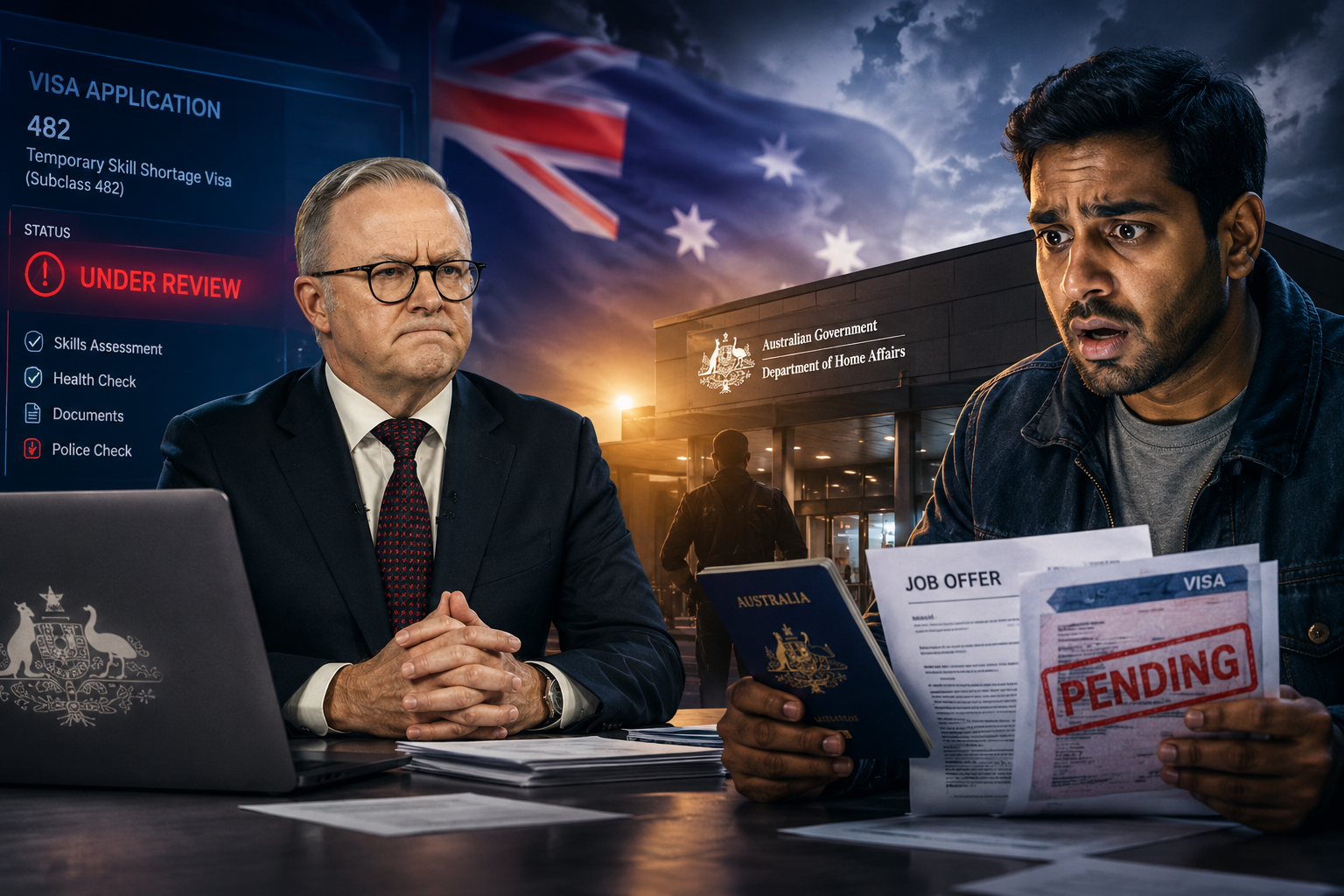
Replacing the old Temporary Skill Shortage (Subclass 482), the Skills in Demand Visa is now the cornerstone of workforce migration. With three streams—specialist, core, and essential—this visa leverages the Core Skills Occupation List.
High-demand sectors include:
- Aged care
- Nursing
- Teaching
- Advanced manufacturing
Processing times have shortened to weeks for complete applications, but incomplete files can still face significant delays. Compliance monitoring for salary thresholds and sponsorship obligations is stricter than ever.
According to Migration Institute of Australia, the Skills in Demand Visa represents the future of employer-sponsored migration.
Rising Student Visa Costs and Compliance
From 1 July 2025, the Subclass 500 student visa application fee increased from AUD 1,600 to AUD 2,000—well above the standard indexation rate.
Beyond costs, compliance measures have also tightened:
- Stronger evidence of financial capacity is required.
- Vague or unverifiable funding sources are no longer accepted.
- Regional study continues to offer extended post-study work rights.
For international students, this means careful budgeting and transparent documentation. Cities such as Adelaide, Hobart, and regional NSW remain attractive for lower living costs and faster permanent residency pathways.
Addressing Study Gaps and Documentation
Australian authorities have sharpened scrutiny on study gaps and work experience. Acceptable norms now include:
- One-year maximum gap after secondary education.
- Five-to-eight-year gaps after higher education, only if supported by progressive employment history.
Applicants must provide:
- Salary slips (clearly labeled as “salary”).
- Bank statements for cash income.
- Proof of company registration (e.g., ABN, GST).
By linking past work experience with future study or career goals, applicants can transform a potential red flag into a coherent migration narrative.
Emphasizing Integrity and Avoiding Fraud
Integrity is now the guiding principle of Australia’s migration system. Visa audits and post-grant checks are increasing, with cases cancelled if fraud is detected.
Red flags include:
- Fake funds and bank letters.
- Fraudulent work experience certificates.
- Inconsistent personal statements.
As the Australian National Audit Office highlights, fraud detection is now central to visa integrity. Applicants should resist shortcuts and maintain transparency, as post-grant cancellations can derail long-term residency plans.
Practical Checklist for Applicants
To avoid rejection under the September 2025 changes, applicants should:
- Choose a clear pathway—avoid mixing strategies.
- Double-check updated rules—especially for English tests and student visas.
- Consider regional migration—faster PR and extended work rights.
- Budget extra funds—5–10% more for fees and assessments.
- Avoid risky conversions—tourist to student/work conversions are now limited.
- Tell a consistent story—link past studies and work with future goals.
Conclusion and Final Recommendations
Australia’s visa reforms for 2025 and 2026 are among the most consequential in recent years. By tightening compliance, raising fees, and redefining eligibility, the government is signaling that only genuine, well-prepared applicants will succeed.
For students, workers, and skilled professionals, the message is clear: plan carefully, stay updated, and avoid shortcuts. To act on the Australia Visa Changes September 2025, prioritise regional migration where appropriate, confirm new English-test requirements, and document finances and work history in detail.
With strategic choices—especially in regional migration, skills-in-demand pathways, and innovation visas—applicants can still secure opportunities in Australia’s evolving migration landscape. Monitor Australia Visa Changes September 2025 updates regularly and consult registered migration advisers to reduce the risk of refusal and post-grant cancellations.







One thought on “Australia Visa Changes September 2025–26: 4 Updates”
Good morning, please I do I enroll for an Australian Visa?
And how much would it cost me currently as a PG.student?