Synopsis: Discover what Prime Minister Andy Burnham’s decision to retain Home Secretary Shabana Mahmood means for Indefinite Leave to Remain (ILR) applicants. This guide explores the future of the earned-settlement proposals, potential transitional protections for current visa holders, and essential steps migrants should take right now while waiting for official updates.
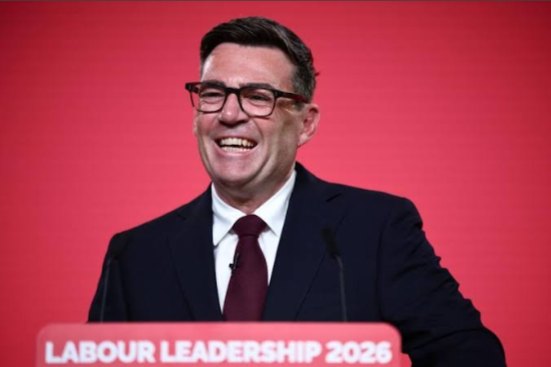
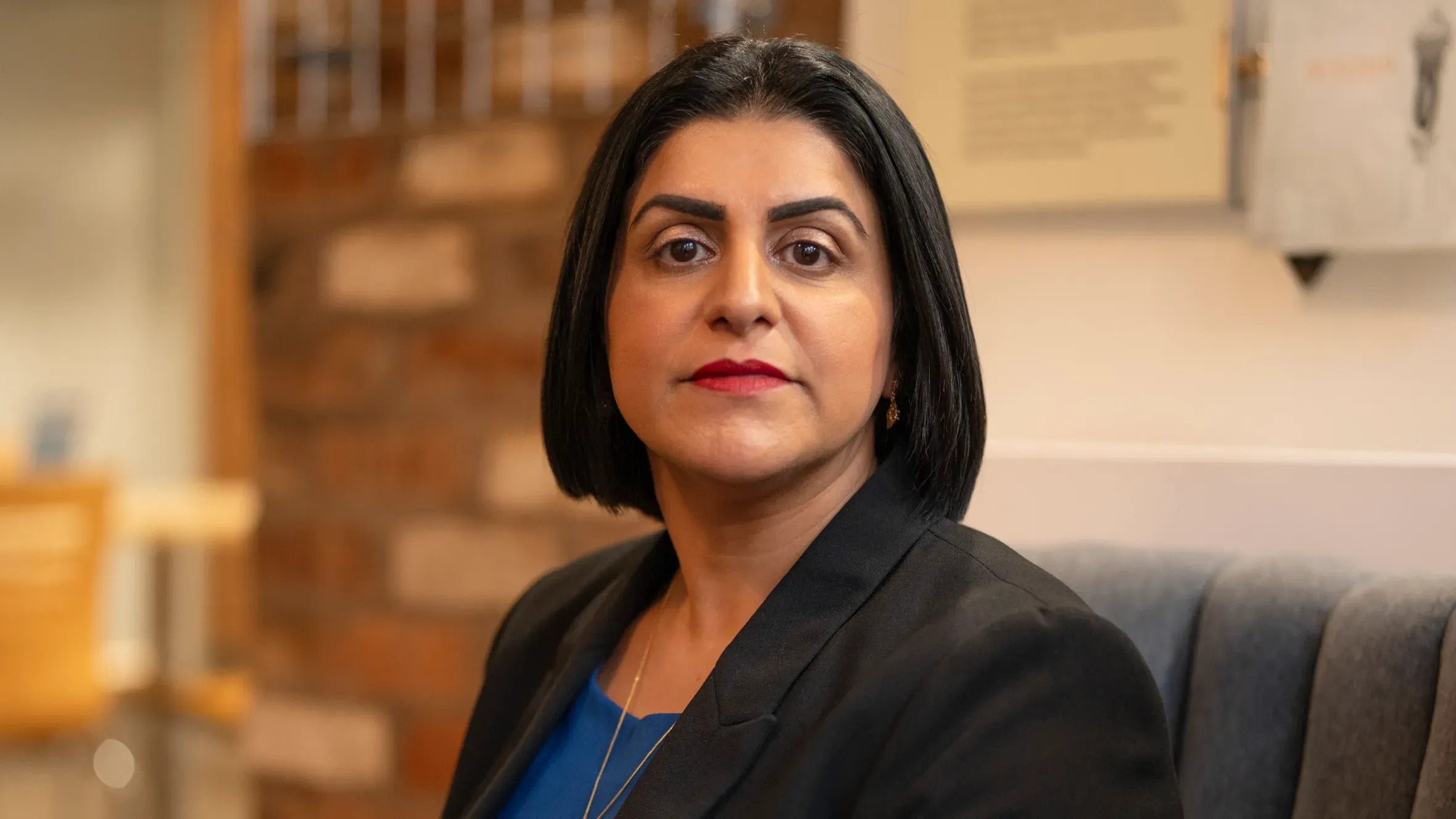
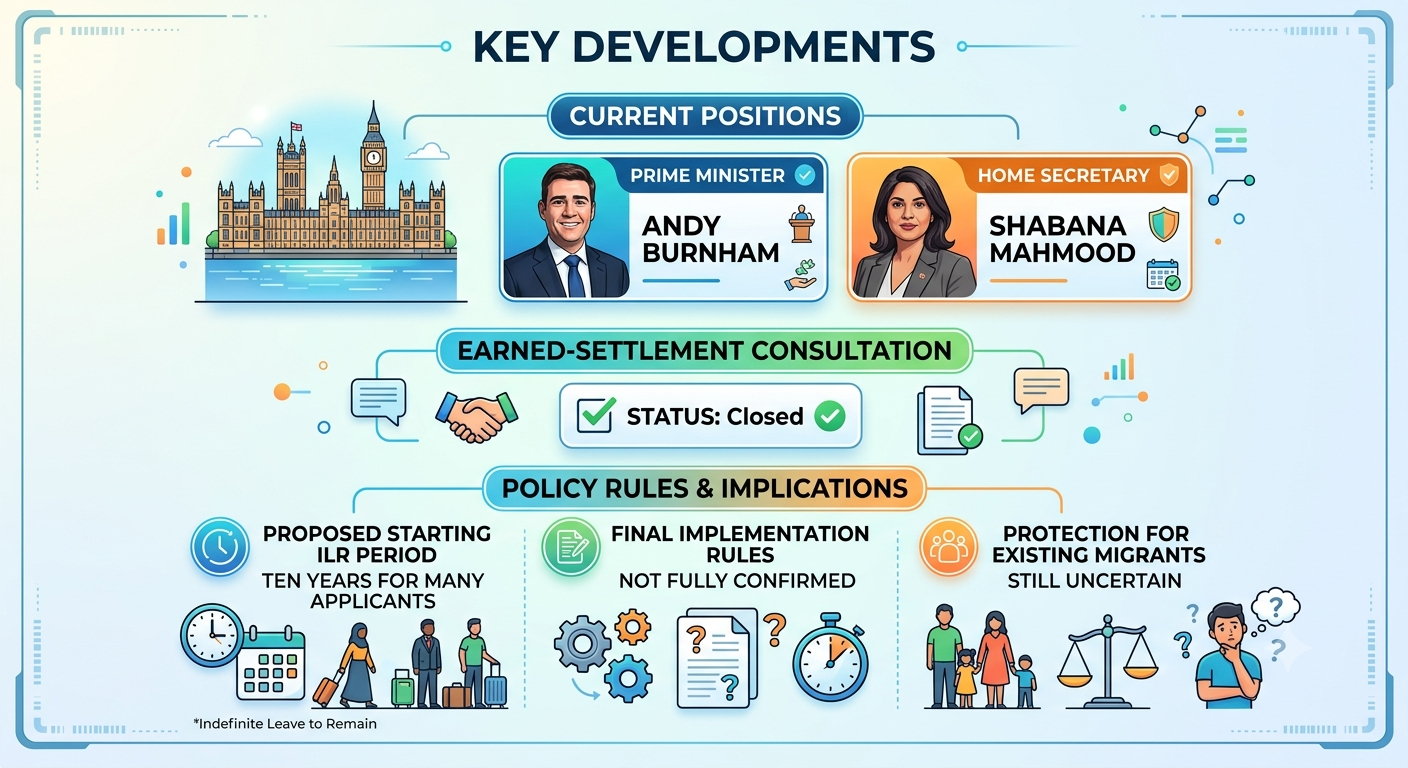
On 20th July 2026, Andy Burnham was elected as Prime Minister of the United Kingdom, and Shabana Mahmood was appointed as Home Secretary. This Cabinet decision could be the government’s first major immigration statement for migrants and those waiting for the government to clarify their position on ILR.
However, the reappointment of Mahmood does not make a difference to visa conditions, settlement periods or eligibility for ILR.

Why Shabana Mahmood’s Reappointment Matters
Mahmood has headed the Home Office since September 2025 and was reappointed to the position on 20 July 2026. During this period, she has been closely involved with the government’s earned-settlement plans.
Her continuation in the role suggests that Burnham is favouring policy continuity rather than pursuing a major reset of immigration policy. The Home Office may continue advancing the earned-settlement framework, while potential revisions and protections for existing migrants remain possible.
What Is Earned Settlement?
The Home Office consultation suggested replacing the settlement after a fixed period with good conduct, contribution, and integration.
Many migrants might be required to live in the country for 10 years as part of the proposal. Higher income, service in the public sector, advanced English proficiency, or proven community engagement may all be factors in reducing some applicants’ scores. Negative factors may prolong the wait.
While these proposals suggest potential changes, they do not replace the current immigration system entirely. Settlement routes based on five years will continue to apply where they are provided for under the Immigration Rules. The Statement of Changes published on 9 July 2026 did not bring the full earned-settlement framework into effect.
Will Current Visa Holders Be Protected?
This is the biggest unsolved question.
Many migrants moved to the UK and changed their jobs, paid large fees and planned their futures on the basis of a five-year course to settlement. Giving more time to those individuals who are already moving towards ILR could lead to financial and family instability.
Possible protections could include:
- Allowing existing applicants to continue under the current rules
- Protecting migrants who arrived before a defined cutoff date
- Offering reduced transition timelines
- Creating exemptions for selected occupations or visa routes.
None is confirmed. Applicants must await an official notification and a statement of changes and detailed transitional provisions.
What Should ILR Applicants Do Now?
Applicants must abide by the immigration rules as in force. Ensure that your qualifying date is correct, that you are legally in this country, that you have evidence of residence, employment, earnings, payments of tax and English language proficiency, and travel history.
Those close to meeting eligibility requirements should obtain regulated immigration advice before postponing or submitting an application. It is important to remember that political comments and headlines do not change the legal position.

Frequently Asked Questions
Does the five-year ILR programme no longer exist?
The five-year settlement route remains open where the Immigration Rules allow.
Are new ILR rules announced by Andy Burnham?
No, the new prime minister has not announced any final ILR framework.
Does Mahmood’s reappointment confirm a ten-year route?
No. There are suggestions of some continuity of policy, but the rules and transitional protections are not confirmed.
Final Verdict
Burnham’s decision to keep Mahmood on board indicates that an earned settlement could continue to be on the government’s agenda. It does not guarantee that all proposals will be put forward without change.
While formal rules have not been published, migrants should continue to use legal standards that exist and beware of official updates on implementation, exemptions and transitional safeguards.