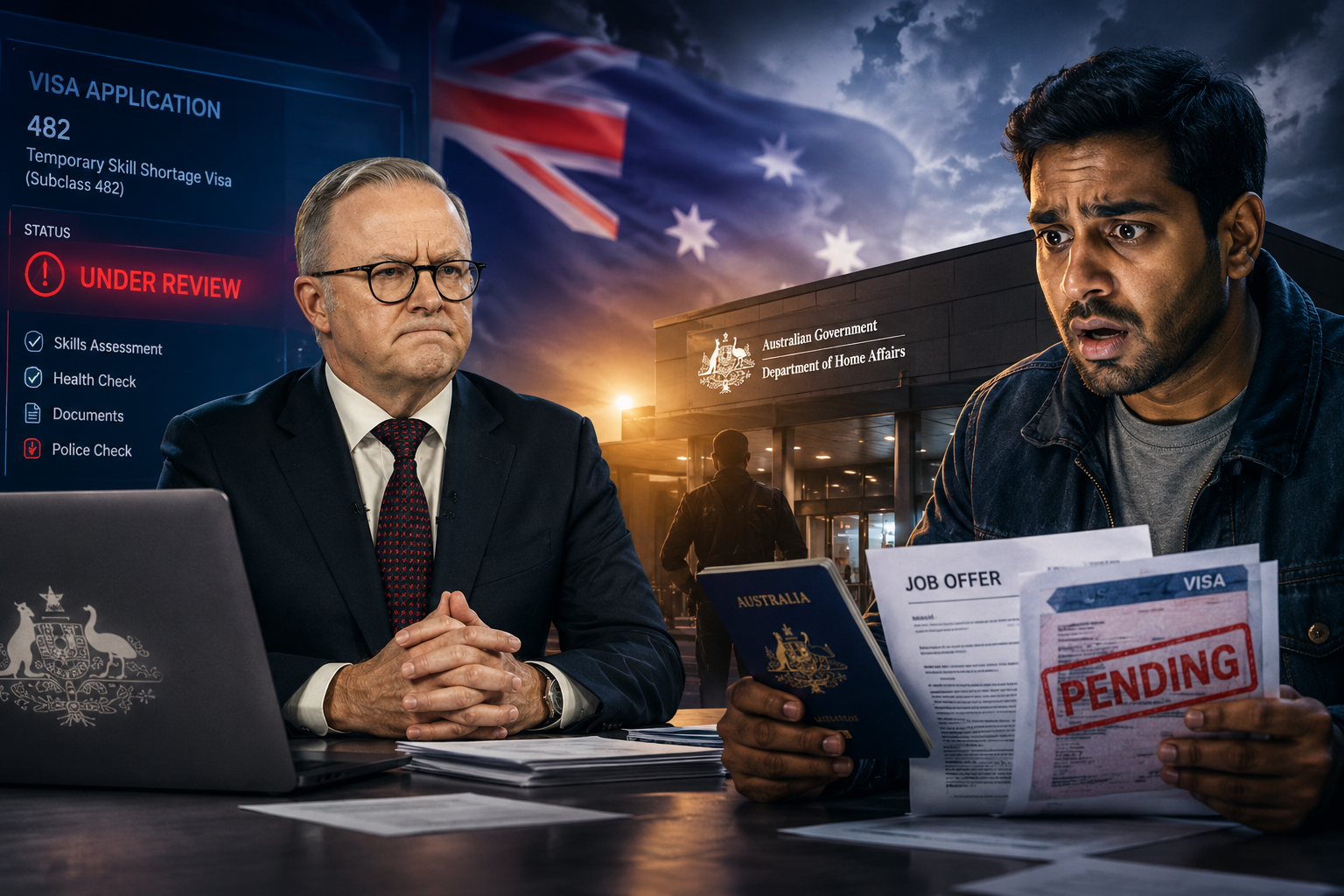
Synopsis: Administrative Review Tribunal Amendment Bill 2025 sharply reduces oral hearings for student and temporary visa appeals, prioritizing written submissions. The reform aims to cut tribunal backlogs but raises due-process concerns. This post explains the legal changes, who is affected, practical risks for applicants, and step-by-step strategies to prepare persuasive written submissions effectively.
Why the 2025 Bill Matters Now
On 3 September 2025, the Australian Parliament introduced the Administrative Review Tribunal Amendment Bill 2025, a legislative proposal that has already sparked heated debate among migration agents, applicants, and policy experts. The bill marks one of the most significant reforms in immigration appeals since the transition from the Administrative Appeals Tribunal (AAT) to the newly structured Administrative Review Tribunal (ART).
At its core, the bill limits oral hearings for certain visa refusals, requiring applicants to rely almost exclusively on written submissions when appealing decisions. This change, which primarily affects student visa holders and temporary migrants, is being justified as a way to manage overwhelming caseloads and speed up decision-making. Yet, it raises profound questions about access to justice, due process, and the role of emotions and lived experiences in migration cases.
According to the Australian Government’s Department of Home Affairs, student visa refusals have sharply increased in the last two years, straining review systems. The government argues that limiting oral hearings will reduce backlog. But critics warn that the reform may undermine procedural fairness — shifting the weight of justice entirely onto paperwork.
Topics Covered
- The Administrative Review Tribunal (ART): A New Era of Oversight
- Why Oral Hearings Are Being Curtailed
- Implications for Student Visa Applicants
- The Legal Debate: Fairness vs. Efficiency
- Permanent and Protection Visas: Why They’re Exempt
- Broader Policy Context: Why Now?
- Consequences for Higher Education
- How Applicants Can Adapt: Strategies for Success
- Recommendations for Migrants and Stakeholders

The Administrative Review Tribunal (ART): A New Era of Oversight
From AAT to ART: Why the Change?
The Administrative Review Tribunal Amendment Bill 2025 replaces the AAT as part of broader government reforms. According to the Parliament of Australia’s legislative records, this restructuring aims to create consistency, transparency, and efficiency in decision-making. However, behind this bureaucratic restructuring lies a deeper shift: giving ART broader discretionary powers while simultaneously narrowing the applicant’s right to present oral evidence.
Rising Caseloads: The Driving Force
- Student visa refusals have surged since 2023 due to stricter integrity checks.
- Temporary visa refusals (work visas, visitor visas) have also added to the ART backlog.
- More than 50,000 active appeals reportedly await review, straining resources.
To address this, the government proposes reducing the time-consuming practice of holding in-person hearings.
Why Oral Hearings Are Being Curtailed
The Traditional Role of Oral Evidence
Until now, applicants who received a visa refusal could appeal and present oral evidence before the tribunal. These hearings allowed applicants to explain their circumstances, bring emotional weight to their cases, and often persuade decision-makers beyond what was written on paper.
The Shift to Written Submissions
The 2025 Bill proposes that:
- Student visa appeals will no longer automatically include oral hearings.
- Temporary visas, where regulations allow, will also be decided without hearings.
- Decisions will rely primarily on written submissions and documentary evidence.
This shift is framed as a move toward efficiency — but what does it mean for justice?
Implications for Student Visa Applicants
Loss of Emotional Advocacy
One of the most striking consequences is the loss of applicants’ ability to communicate directly. Emotions — once a powerful part of hearings — are stripped away. Cases will now hinge solely on documents, legal arguments, and structured written submissions.
Higher Burden on Paperwork
Applicants must now:
- Provide comprehensive documentation at the first stage of appeal.
- Anticipate tribunal questions without the chance to clarify orally.
- Work closely with migration agents or lawyers to craft persuasive written submissions.
Winners and Losers
- Winners: Applicants with strong paperwork, legal support, and resources may benefit from a streamlined process.
- Losers: Vulnerable applicants without access to legal aid may struggle to meet evidentiary standards.
The Legal Debate: Fairness vs. Efficiency
Due Process and Common Law Traditions
Australia, like other common law countries, emphasizes procedural fairness. Oral hearings have long been viewed as essential to ensuring justice is not only done but seen to be done. Critics argue that removing them risks eroding this principle.
As academic commentary from the University of Melbourne Law School notes, oral hearings safeguard transparency and public confidence. Their removal may tilt power too heavily toward bureaucratic discretion.
Will Courts Step In?
While the ART decision may be final, applicants still retain the right to judicial review in federal courts. This could push more cases into the judiciary, ironically increasing costs and delays for applicants and the system alike.
Permanent and Protection Visas: Why They’re Exempt
The bill explicitly states that:
- Permanent visas remain unaffected.
- Protection visas, including most humanitarian pathways, will continue to allow oral hearings.
This carve-out suggests recognition that life-altering decisions — particularly asylum and protection cases — demand the highest standards of fairness. Still, temporary migrants face a harsher, more limited review system.
Broader Policy Context: Why Now?
Political and Economic Pressures
- Australia faces rising pressure to curb migration amid housing shortages and labor market debates.
- The Australian Bureau of Statistics reports record net migration levels in 2024–2025.
- Student visa misuse has been a persistent concern, with claims of fraudulent applications and overstays.
The government’s political narrative frames the bill as necessary reform to maintain integrity and public confidence in the visa system.
Consequences for Higher Education
Australia’s $40 billion international education sector relies heavily on student visas. Restricting appeal rights may:
- Discourage genuine students from applying.
- Damage Australia’s reputation as a fair and transparent destination.
- Shift international talent toward competitors like Canada or the UK.
Universities have already warned of declining enrolments if visa processes are perceived as hostile.
How Applicants Can Adapt: Strategies for Success
Build Strong Written Submissions
Without oral hearings, written advocacy becomes king. Applicants must:
- Present clear timelines, documents, and arguments.
- Highlight compliance with visa conditions.
- Anticipate potential objections from the tribunal.
Professional Representation
Migration agents and lawyers will play a critical role in ensuring submissions meet evidentiary standards. Self-represented applicants risk being disadvantaged.
Learn From Past Cases
Case studies show that even without hearings, strong written submissions have convinced tribunals to overturn refusals. Preparation and presentation are key.
Recommendations for Migrants and Stakeholders
- Students: Prepare for more rigorous documentation requirements.
- Migration Agents: Invest in training for advanced written advocacy.
- Universities: Lobby for balanced policies that protect Australia’s education sector.
- Lawmakers: Monitor whether judicial caseloads spike, undermining the reform’s intent.
Conclusion: Justice on Paper?
The 2025 Amendment Bill represents a turning point in Australia’s migration policy. By curtailing oral hearings for student and temporary visa appeals, it promises faster decisions but risks compromising fairness.
Will this reform ease backlogs, or simply push disputes into the courts? Will students feel secure applying to Australia, or will they turn elsewhere?
For migrants, the lesson is clear: the pen is now mightier than the voice. Success will depend not on emotional testimony, but on the power of carefully crafted documents and written advocacy.