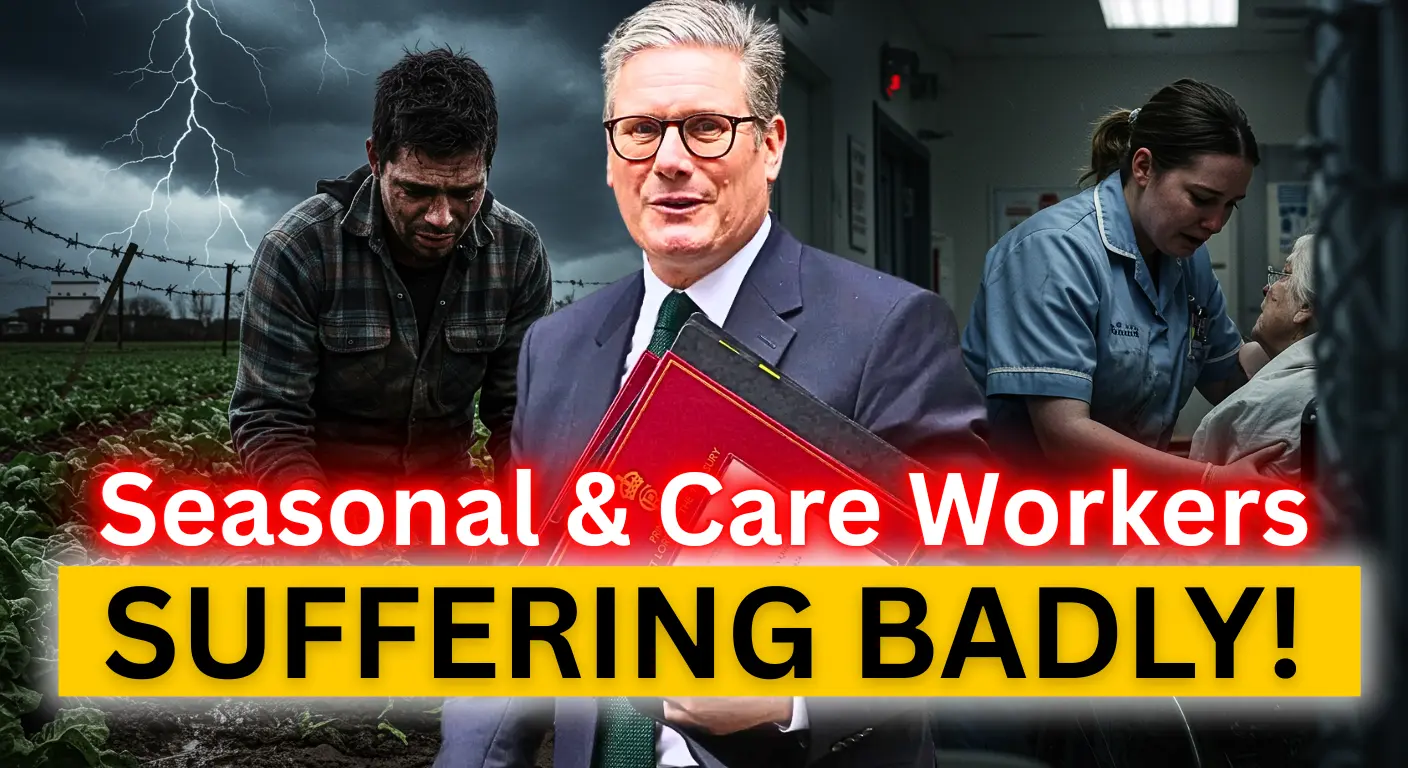
The United Kingdom’s reliance on migrant labor has intensified, especially in sectors like agriculture and social care. However, beneath the surface of these essential services lies a troubling narrative of exploitation, underpayment, and systemic abuse faced by migrant workers.
Topics Discussed
- Seasonal Agricultural Workers: Promises vs. Reality
- Care Workers: The Hidden Struggles
- Governmental Responses and Their Efficacy

Seasonal Agricultural Workers: Promises vs. Reality
In 2025, the UK government extended the Seasonal Worker Scheme for another five years, allocating 45,000 visas annually to address labor shortages in horticulture and poultry sectors.
While this initiative aims to bolster the agricultural workforce, reports have surfaced highlighting severe exploitation. Migrant laborers, lured by the promise of fair wages, often find themselves subjected to underpayment, with earnings tied to the volume of crops picked rather than hours worked. This practice has led to significant financial hardships, as many workers are unable to meet unrealistic productivity targets.
Additionally, the Worker Support Centre (WSC) reported a surge in complaints from foreign seasonal laborers regarding bullying, substandard living conditions, and withheld wages. These issues underscore systemic vulnerabilities within the scheme, leaving workers trapped in precarious situations with limited avenues for redress.
Care Workers: The Hidden Struggles
The UK’s social care sector heavily depends on migrant workers, yet many face egregious exploitation. Investigations have revealed that some migrant care workers are coerced into paying illegal recruitment fees up to £20,000, plunging them into debt even before commencing employment.
Once employed, numerous workers endure overcrowded accommodations, excessive working hours, and rampant workplace discrimination. The restrictive nature of the Health and Care Worker visa further exacerbates their plight, as it ties workers to specific employers, making it arduous to escape abusive situations without jeopardizing their legal status.
Governmental Responses and Their Efficacy
In response to mounting evidence of exploitation, the UK government announced stricter sanctions in November 2024 against employers who violate visa regulations or engage in serious employment breaches. These measures include extending bans on hiring overseas workers from one to two years for repeat offenders.
While these initiatives signify progress, critics argue that enforcement remains inconsistent, and the deeply entrenched power imbalances between employers and migrant workers persist.
Conclusion
The exploitation of migrant workers in the UK’s agricultural and care sectors is a pressing issue that demands comprehensive reforms. Ensuring the protection of these essential workers requires not only stringent enforcement of existing laws but also a reevaluation of visa structures that currently bind workers to potentially abusive employers. Addressing these challenges is imperative to uphold the rights and dignity of those who contribute significantly to the nation’s well-being.