Synopsis: Immigration Rule HC 1298 abruptly ends the refugee family reunion route, forcing recognised refugees to apply under Appendix FM. With a £29,000 income threshold, English tests, and accommodation requirements, thousands face separation, legal challenges and heightened humanitarian risks across Europe and globally.
A Cruel Shock with Lasting Impact
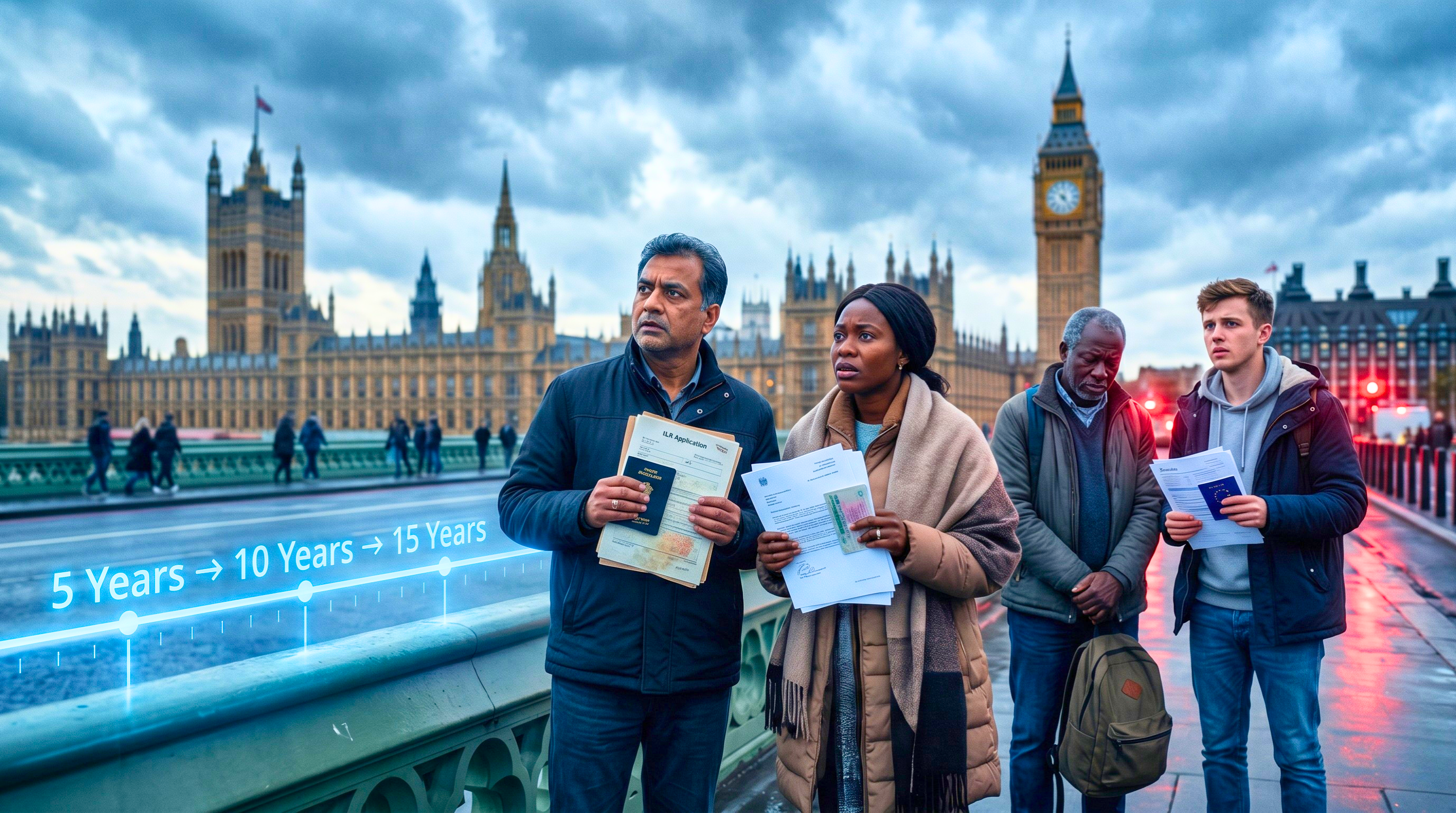
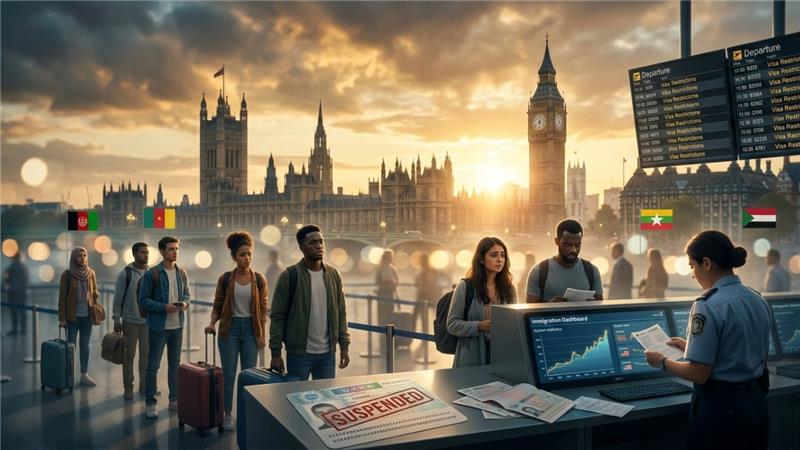
On 4 September 2025, the UK government abruptly announced Immigration Rule HC 1298, a Statement of Changes laid before Parliament. Unlike most immigration reforms, HC 1298 took effect immediately at 3 p.m. the same day. Refugees, advocacy groups, and legal professionals were caught off guard, with no grace period to file last-minute applications.
This sudden change suspended the Refugee Family Reunion route, a long-standing provision under UK immigration law. Refugees—individuals who had successfully proven asylum claims—previously relied on this route to reunite with their spouses and children without meeting stringent income, accommodation, or language thresholds. From September onwards, they must apply under Appendix FM, a framework originally designed for economic migrants and skilled workers.
This development has been described as one of the most dramatic shifts in refugee rights in recent UK immigration history. According to the UK Home Office’s official Statement of Changes , the government justified the move by citing pressure on public services, alleged loopholes, and the need for stricter immigration control. But what does this mean for thousands of refugee families? And is the policy change compatible with the UK’s international obligations, such as the 1951 Refugee Convention ?

What Exactly Is HC 1298?
House of Commons Papers Explained
“HC” refers to House of Commons papers, the official publications used to register immigration rule changes. Each statement receives a unique number—HC 1298 in this case. The technical label may sound bureaucratic, but its implications are profound. It signals that the government has chosen to override a humanitarian protection framework with one designed for economic migration.
The Immediate Enforcement
The abrupt enforcement—coming into effect within minutes of its announcement—is highly unusual. Traditionally, Statements of Changes include transitional periods. By eliminating a grace window, the Home Office prevented a surge of last-minute refugee family reunion applications.
The Refugee Family Reunion Route: What Was Lost
A Lifeline for Families
Before HC 1298, the family reunion policy allowed recognized refugees to sponsor their immediate family members—typically spouses and minor children—without facing the financial and English language tests imposed on skilled migrants. This system acknowledged that refugees, often fleeing conflict or persecution, rarely had the resources to meet such thresholds.
Legal Framework
The policy drew legitimacy from both UK immigration rules and the European Convention on Human Rights (ECHR) , particularly Article 8 (Right to Family Life). Legal precedents consistently emphasized that refugees deserved a more humane standard when seeking to reunite with their loved ones.
Who Benefited?
- Parents who fled alone from war zones could bring their children once granted asylum.
- Women escaping gender-based violence could reunite with spouses and children.
- Political dissidents and minority groups fleeing persecution found a pathway to rebuild family life in safety.
HC 1298 has now closed this lifeline.
The Harsh Realities of Appendix FM
The £29,000 Minimum Income Requirement
Under Appendix FM, applicants must demonstrate an annual income of at least £29,000 to sponsor a spouse or child. Refugees—many of whom face barriers such as limited English, non-recognition of qualifications, or trauma—struggle to achieve such earnings. For perspective, the median starting salary for NHS Band 5 nurses is under £28,000 .
Accommodation and English Language Tests
Applicants must also:
- Provide proof of adequate accommodation.
- Ensure spouses pass English language tests before arrival.
These are conditions refugees rarely meet. Imagine a Syrian refugee working part-time in hospitality, earning below £20,000, being asked to meet the £29,000 threshold to reunite with his children.
Sole Responsibility Clause
Even more troubling is the requirement that refugee parents prove sole parental responsibility for children. Unless the other parent is deceased, legally absent, or has relinquished custody, the child cannot join. This disproportionately affects families separated by conflict, where legal documents are often unavailable.
Case Studies: When Policy Meets Reality
Example 1: Democratic Republic of Congo (2013)
A child from the DRC was allowed to join their refugee parent in the UK due to severe welfare risks in their home country. The tribunal recognized “serious and compelling” reasons for reunion.
Example 2: Turkey (2004)
A Turkish child, however, was denied reunion because they were deemed adequately cared for at home, despite clear evidence that opportunities in the UK would be better.
These examples highlight the subjective nature of the “serious and compelling” test, now the only hope for refugees under Appendix FM.
Humanitarian and Legal Implications
Compatibility with International Law
The UK is a signatory to the 1951 Refugee Convention , which obliges states to protect refugees and facilitate family unity. Critics argue that HC 1298 undermines this commitment by treating refugees as economic migrants.
Human Rights Concerns
Article 8 of the ECHR guarantees the right to family life . By imposing financial and language barriers, the UK risks breaching its obligations under the Human Rights Act 1998, which incorporates the ECHR into domestic law.
Judicial Review Prospects
Immigration lawyers predict a surge of judicial review challenges. Refugees denied under Appendix FM may argue that the policy is disproportionate and discriminatory compared to previous humanitarian standards.
Government Justifications: Pressure on Public Services
The Home Office insists that the suspension is necessary to reduce strain on housing, schools, and healthcare. In parliamentary debates, ministers pointed to instances of refugees sponsoring large families of up to eight children, placing additional pressure on local authorities.
Yet research from the Migration Observatory at Oxford University shows that family reunion cases form only a small fraction of total immigration flows. The claim that refugee family reunions overwhelm services may therefore be overstated.
The Human Cost: Stories of Separation
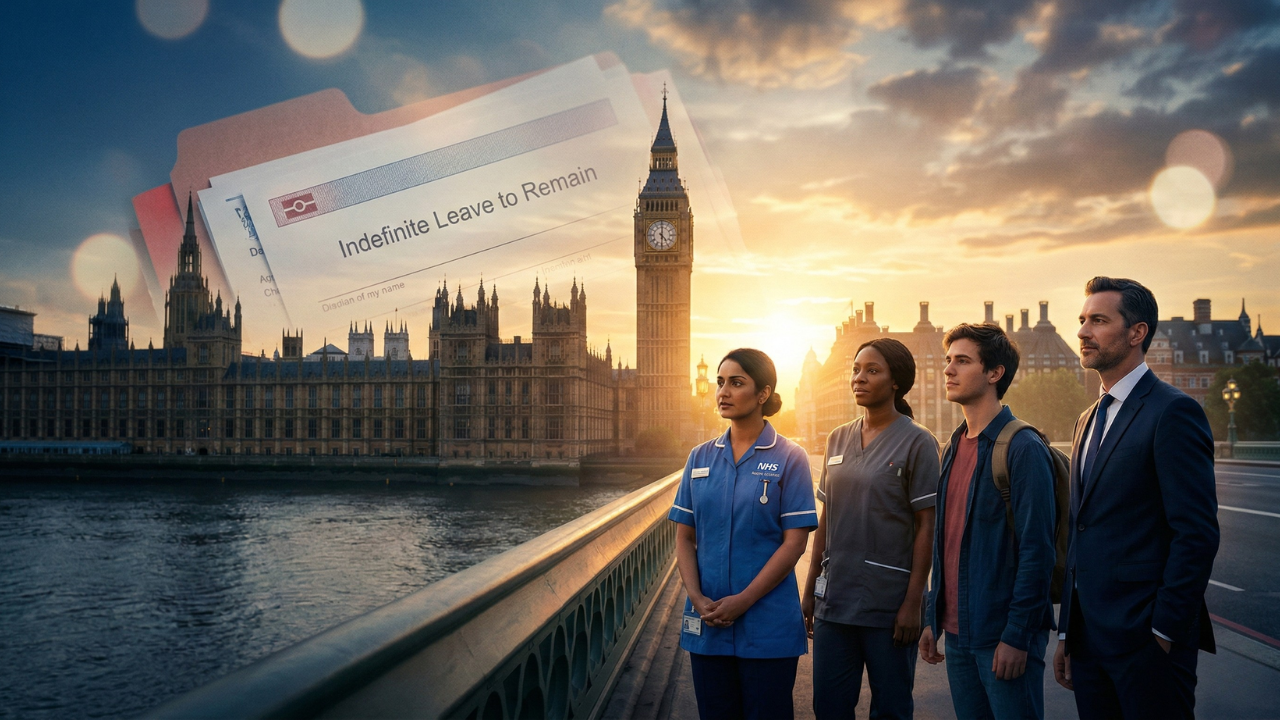
Single Parents in the NHS
In 2024–2025, dozens of single mothers working in the NHS were denied visas for their children under similar Appendix FM rules. Even with affidavits from absent fathers, Home Office caseworkers rejected applications for not meeting the “sole responsibility” standard.
Emotional Toll
For many refugees, the denial of family reunion represents not just bureaucratic rejection but psychological devastation. Refugees frequently cite family safety as their primary reason for fleeing. HC 1298 undermines this purpose entirely.
Wider Political Context
Immigration White Paper Commitments
The government’s 2025 Immigration White Paper outlined measures to tighten immigration routes, reduce net migration, and align refugee policies with broader enforcement. HC 1298 is the practical implementation of these pledges.
Alignment with Public Opinion
Polls suggest significant public concern about immigration levels. By targeting refugee family reunions, the government signals responsiveness to voter anxieties. Yet the ethical cost of restricting humanitarian routes remains contested.
Critical Perspectives
- Legal Experts: Warn that HC 1298 risks breaching both domestic and international obligations.
- Humanitarian NGOs: Argue the change punishes vulnerable families fleeing persecution.
- Economists: Note that refugee integration is hindered when family life is disrupted, undermining workforce stability.
- Opposition Politicians: Accuse the government of weaponizing refugee policy for electoral gain.
Conclusion: Refugees Treated as Economic Migrants
Immigration Rule HC 1298 is more than a technical change; it redefines the status of refugees in the UK. By abolishing the family reunion route, the government has placed vulnerable families under the same demanding framework as economic migrants. Refugees must now prove income, accommodation, and language skills—standards often impossible for those escaping war or persecution.
Is this fair? Advocates argue it violates humanitarian principles and risks breaching international law. The Home Office insists it is necessary for immigration control. The debate is likely to intensify in courts, parliament, and civil society in the months ahead.
For refugees, however, the consequences are immediate: prolonged family separation, legal battles, and uncertain futures.