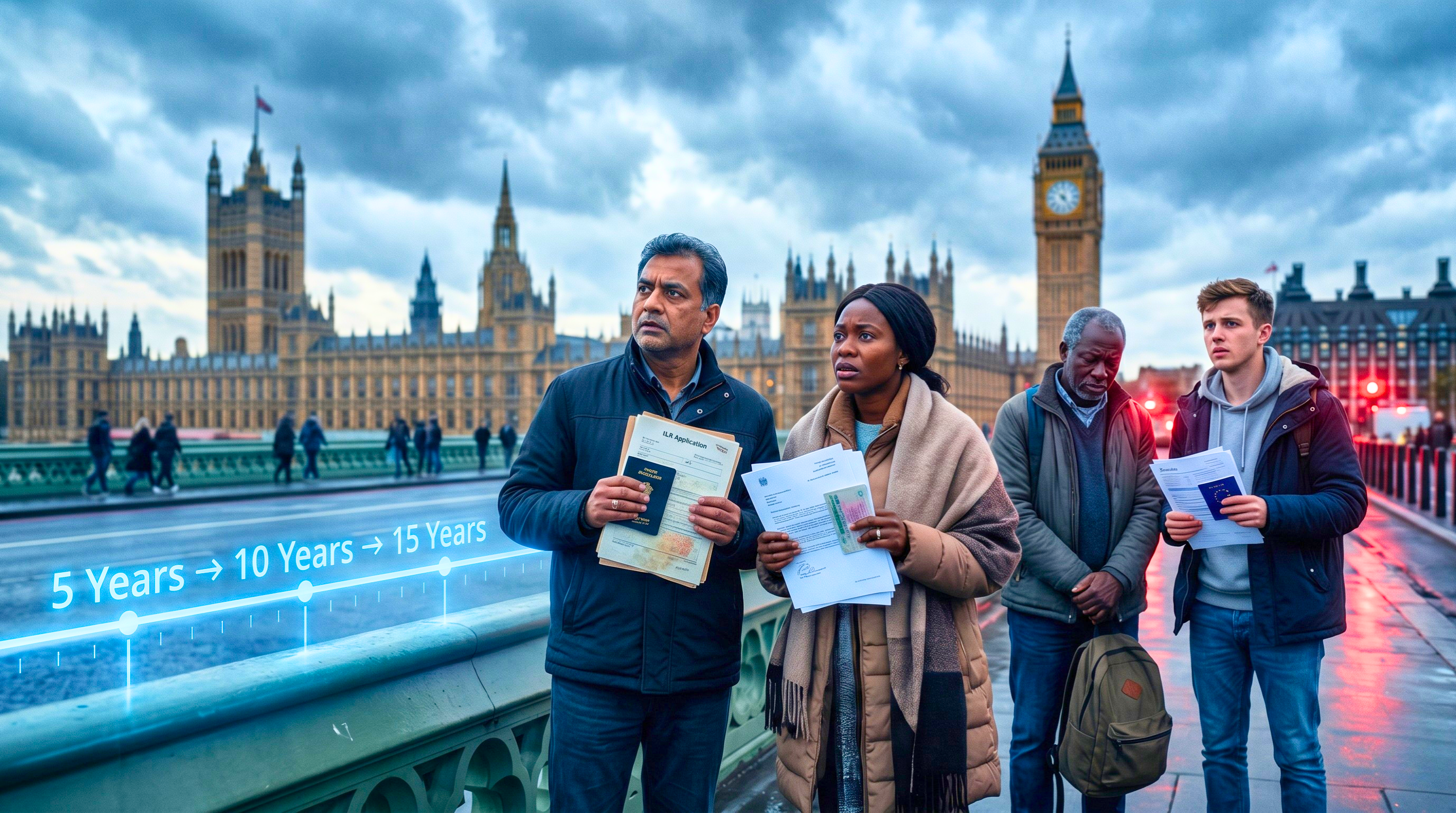
Synopsis: Keir Starmer has pledged to end the use of asylum hotels by 2029. This post examines the political pressures, costs, legal constraints, possible alternatives, and whether Labour can set and meet earlier milestones while balancing fairness and border control.
Why This Debate Matters Now
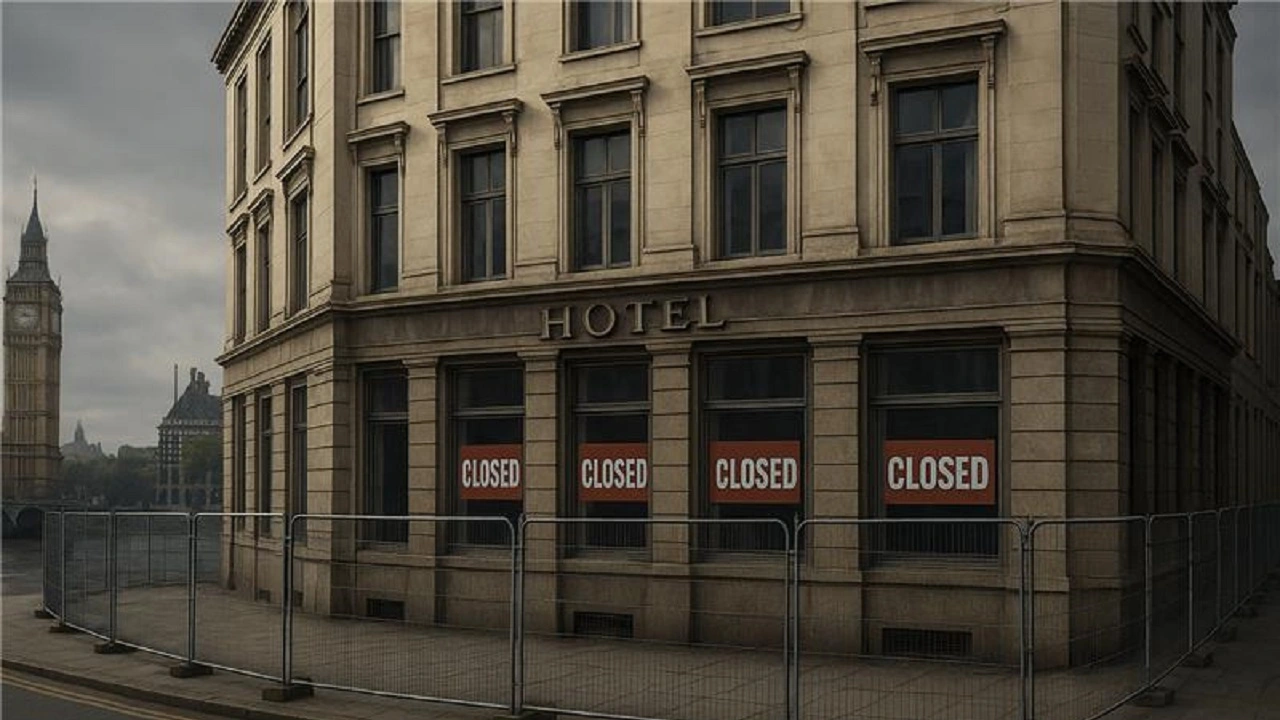
Few issues ignite public debate in the UK as sharply as immigration and asylum housing. More than 200 hotels currently accommodate asylum seekers while their claims are processed, costing taxpayers over £8 million per day according to the UK Home Office. (source)
Prime Minister Keir Starmer has declared his ambition to end asylum hotels by 2029, insisting this must be done in a “sensible, orderly way.” Campaigners say clear timetables and more housing are essential if ministers are to end asylum hotels by 2029 and demonstrate earlier milestones to reduce the backlog. Pressure is rising to end asylum hotels by 2029.
With political opponents like Reform UK exploiting public frustration, Labour’s credibility on border control and immigration management is being tested. Can Starmer deliver results faster than promised, or will Labour’s gradualist approach fuel further backlash?

Starmer’s Promise: Closing Asylum Hotels by 2029
A Political Commitment Under Pressure
Starmer told the BBC that he shares public concerns, conceding he would not want an asylum hotel in his own neighbourhood. He reaffirmed Labour’s plan to end the use of asylum hotels by the end of the current parliamentary term (2029) but added he hopes to bring that deadline forward.
The promise reflects both political calculation and public demand: asylum hotels are seen as a temporary but unsustainable solution.
Labour’s Second Phase of Governance
Having passed its first year in office, Labour is shifting from laying foundations to delivering tangible outcomes. Starmer framed his leadership as one of “delivery, delivery, delivery.” Immigration and asylum are now top priorities, alongside economic growth and fixing the NHS.
Public Opinion: Local Communities and Safety Concerns
“Not in My Backyard” Sentiment
Starmer acknowledged strong local opposition: residents dislike asylum hotels near schools, town centres, or residential streets. Safety concerns—real or perceived—fuel demands for closure.
“How would you feel if your daughter was walking past one of these hotels every day?” Starmer asked rhetorically, underlining his understanding of local anxieties.
Beyond Fear: The Daily Realities
Residents argue that hotels disrupt local economies, strain services, and stigmatise towns. Many feel their lives are disrupted by a problem not of their making, while asylum seekers remain in limbo.
The Numbers Behind the Crisis
Hotel Costs and Scale
- 200+ hotels currently house asylum seekers.
- £8 million daily cost to the taxpayer (National Audit Office).
- More than 175,000 asylum claims are pending decisions as of 2024.
These figures highlight the financial and administrative burden Labour must confront.
Backlog as the Key Obstacle
Closing hotels depends on clearing the asylum backlog. Starmer admitted: “The way to do that is in an orderly way that gets the cases done.” Without faster processing, hotels will remain in use for years.
Political Divide: Labour vs Reform UK
Reform UK’s Hardline Approach
Nigel Farage and Reform UK call for mass deportations, withdrawal from refugee conventions, and “quick fixes” to stop small boat arrivals.
Starmer dismissed these as “fanciful arrangements”, arguing they exploit grievance without offering workable solutions.
Labour’s Strategy: Measured but Risky
Labour’s stance prioritises international law and due process. But will a “sensible, orderly way” satisfy a public demanding speed and firmness?
What Labour MPs Want: Milestones, Not Just Deadlines
Internal Party Pressure
Labour MPs fear Reform UK’s surge in polls. They want concrete milestones—reductions in hotel numbers by specific dates—to show voters progress before the next general election.
For example, MPs ask: “How many hotels will be closed by 2026? By 2027?” Without milestones, critics may frame Labour as indecisive.
Communication Overhaul
Labour has revamped Downing Street operations and communications to emphasise progress. Still, as political correspondents note, the real test is delivery, not messaging.
Securing Borders: Why Immigration Is a Top Three Mission
Starmer has aligned immigration and border control with Labour’s three central missions:
- Economic growth and living standards
- Fixing the NHS
- Securing borders
This prioritisation reflects polling data showing immigration consistently ranks among the public’s top concerns. (Ipsos MORI).
Legal and Policy Constraints
Bound by International Law
The UK remains signatory to the 1951 Refugee Convention (UNHCR) and the European Convention on Human Rights. This restricts drastic measures like mass deportations advocated by Reform UK.
Domestic Judicial Oversight
UK courts have already struck down controversial asylum schemes, such as the Rwanda plan. Any Labour policy must withstand legal scrutiny.
What Happens Next: Practical Steps for Labour
Accelerating Casework
- Increase Home Office caseworkers.
- Streamline digital systems.
- Use “fast-track” processes for manifestly unfounded claims.
Alternative Accommodation Models
The government is exploring military bases, barges, and community housing as alternatives. However, these too face local resistance and legal challenges.
Balancing Speed with Fairness
Starmer insists that asylum seekers must have their claims processed fairly. Balancing compassion with enforcement is Labour’s central challenge.
International Comparisons
Australia’s Playbook
Australia used offshore detention centres and strict maritime policies to deter irregular arrivals. Critics argue this led to human rights violations (Australian Human Rights Commission).
EU Models
European nations like Germany have expanded community housing schemes rather than hotels, though integration challenges remain.
These comparisons show that quick fixes rarely succeed without long-term reforms.
Key Takeaways for Voters and Stakeholders
- Starmer’s promise: All asylum hotels closed by 2029.
- Goal: Accelerate closure before the next election.
- Obstacle: A massive backlog of asylum claims.
- Political risk: Losing ground to Reform UK if milestones aren’t set.
- Policy path: Balancing international law, fairness, and public demand.
Conclusion: Will Labour Deliver?
Starmer’s vow to end asylum hotels is both a policy goal and a political necessity. The public wants fast action; Reform UK demands radical alternatives. Labour offers a cautious, law-abiding route—but without visible progress soon, the government risks losing trust.
Closing hotels by 2029 may not be enough. For Labour, the challenge is clear: deliver milestones now or risk political fallout later.